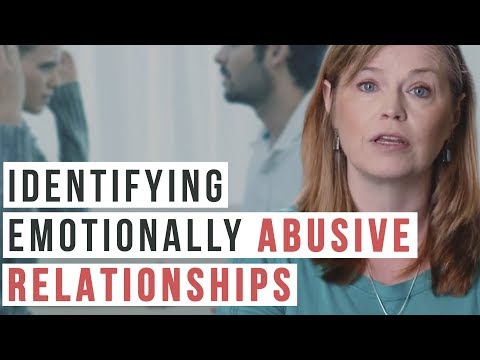
You know that feeling when something just seems off? Like, your gut is trying to tell you something, but you can’t quite put your finger on it?
Well, sometimes it’s the people around us who are throwing off those vibes. Yeah, I’m talking about those folks who seem all sweet and charming at first but might be a bit toxic for your mental health.
It’s tricky. You think you’re connecting with someone great, but deeper down, there could be a storm brewing.
So let’s chat about some signs she might be emotionally toxic. Seriously, it can save you a lot of headaches—or heartaches! You ready? Let’s go!
How to Support a Friend Stuck in a Toxic Relationship: Key Phrases to Use
Supporting a friend who’s in a toxic relationship can be tough. You want to help, you really do, but you also don’t want to push them away or make things worse. The key is to be there for them while also guiding them gently toward healthier choices. So, what do you say? Here are some phrases that might help.
Listen without judgment. Sometimes, your friend just needs to vent. You might say, “I’m here for you; feel free to share whatever’s on your mind.” This shows that you’re ready to listen and that they can talk openly without worrying about being judged.
Encourage self-reflection. It can help for them to think about their feelings and the relationship dynamics. Try saying something like, “How does he make you feel after you spend time together?” This question nudges them to consider their emotional state in the relationship without pushing any specific agenda.
Express concern gently. If you notice signs of emotional toxicity, it’s okay to share your feelings too. You could say, “I’ve seen how upset this makes you. I care about you and want what’s best.” Just make sure it comes from a place of love and not accusation.
Help them recognize patterns. If they mention things like feeling criticized or belittled often, try reflecting those feelings back with something like, “It sounds like he doesn’t appreciate your worth.” This can create awareness without directly labeling their partner as toxic.
Offer alternative perspectives. Sometimes it helps to discuss relationships in broader terms. You might say something like, “Everyone deserves a partner who lifts them up and supports their dreams.” This allows your friend to see what a healthy dynamic looks like without imposing your views.
Be patient. Change doesn’t happen overnight. Remind them with statements like, “It’s okay if you’re not ready to leave yet; I’ll be here for support whenever you need me.” This reassures them that you’re not going anywhere and that their timeline is respected.
Suggest seeking professional help. Gently encouraging therapy can be powerful. Maybe say something like, “Talking to someone could really help put things into perspective.” It opens up the idea of getting additional support without making it seem mandatory.
In all this, remember timing is essential! There are moments when they’ll be more open than others. Just keep checking in and let them know they’re loved—no matter what they’re going through!
Empower Yourself: Essential Strategies for Navigating Toxic Relationships
It’s tough to deal with relationships that drain you, right? You might feel stuck, confused, and even a little lost. But here’s the thing: you can empower yourself and take charge. Let’s chat about some essential strategies for navigating those toxic vibes.
Recognize the Signs
First off, how do you know if someone is emotionally toxic? Well, look out for these red flags:
Once you spot these signs, it’s time to get serious.
Set Boundaries
You’ve gotta protect yourself. What does boundary-setting look like? Maybe it’s saying “no” when she asks for too much time or emotional energy. It could also mean limiting discussions about sensitive topics that lead to conflict. And don’t forget to be clear about what behaviors you won’t tolerate.
A buddy of mine once had to tell her friend: “I need space when I’m feeling overwhelmed; can we not talk about work right now?” It was tough at first, but establishing that boundary changed the dynamic entirely.
Communicate Openly
Having a conversation about how you’re feeling can be scary but necessary. Try expressing yourself using “I” statements like “I feel anxious when…” instead of blaming her directly. This can reduce defensiveness and can actually create an opening for real dialogue.
Someone once told me how they explained their feelings in a calm moment and it really opened their friend’s eyes. They didn’t even realize how their actions affected others until they heard it from them.
Focus on Self-Care
When tangled in toxic relationships, self-care becomes super important. Do things that lift your spirits—maybe it’s going for walks, listening to music, or grabbing coffee with supportive friends who truly get you. This isn’t just fluff; it helps recharge you emotionally so you can deal with negativity better.
A quick story: One guy I know started journaling when he felt overwhelmed by a toxic friendship; it helped him process his emotions and figure out what he needed from the relationship.
Know When to Step Back
Sometimes stepping back completely might be necessary. It’s hard, but if she’s continuously draining your energy without any change in behavior after you’ve tried everything else? You have every right to reconsider the relationship’s place in your life.
Maybe taking a break will help clarify things—or maybe you’ll realize you’re better off without her! Remember, prioritizing **your well-being** isn’t selfish; it’s essential.
In navigating toxic relationships, recognizing patterns is key—you’re not alone in this journey! Take little steps towards empowerment daily and remember that prioritizing yourself isn’t just okay; it’s vital!
Sometimes, when you’re in a relationship, it can be hard to see the signs that something’s off. It sneaks up on you, right? You might find yourself feeling drained or anxious around someone who’s supposed to support you. And honestly, recognizing those red flags can save you so much heartache down the road.
So picture this: you’ve got a friend, we’ll call her… Sarah. At first, she seems fun and energetic. But slowly—like over time—you start feeling this weight when you’re around her. She makes snide comments that sting more than they should. It’s like she thrives on criticism but wraps it in humor so it feels like you can’t call her out without looking petty. You know what I mean?
If someone frequently puts you down or makes you second-guess yourself, that’s a classic sign of emotional toxicity. Look out for patterns where your happiness seems to hinge on their moods or approval—it’s not just exhausting; it’s downright unhealthy.
Another biggie is when they drain your energy. If talking to them feels like running a marathon with no finish line, pay attention! Maybe they always seem to have drama swirling around them; it’s like they’re magnets for chaos and negativity. Your peace disappears into thin air whenever they’re around.
And let’s not forget about the guilt trips! You help them out once, and suddenly you feel obligated every time they need something—like you’re just a backup plan if their other friends aren’t available. It’s okay to lend support, but if it turns into a one-sided deal where your needs are completely overlooked? That’s toxic behavior.
Look, relationships should feel supportive at their core—not like walking through a minefield of emotions where every step could blow up in your face. If someone consistently makes you feel less than or keeps pulling you back into their dark clouds instead of letting some sunshine peek through… well, it’s time to take a step back.
Recognizing these signs isn’t easy; we all want to believe the best in people we care about. But sometimes love isn’t enough if it makes us feel bad about ourselves too often. Your well-being matters just as much as anyone else’s feelings—even Sarah’s! So take care of yourself first and don’t hesitate to set boundaries when needed; it’s not selfish—it’s self-love!