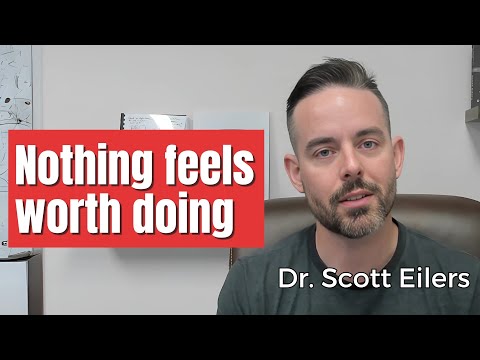
So, you know that feeling when everything just feels… heavy? Like, getting out of bed is an Olympic sport?
A lot of people brush it off as laziness. But, seriously, there’s so much more going on there.
Depression isn’t just about feeling sad or lacking motivation. It can sneak in and manifest in weird ways—much deeper than playing hooky from life.
Let’s chat about recognizing those signs, ‘cause sometimes they dress up like something else entirely. You with me?
Understanding the Signs of Depression: Differentiating Between Laziness and Mental Health Struggles
Understanding the signs of depression can be tricky. You might see someone just lounging around and think, “They’re just being lazy.” But hold up! There’s a whole lot more going on under the surface, especially when it comes to mental health.
Let’s break it down a bit. First off, **laziness** and **depression** aren’t the same thing. Laziness is usually about a lack of motivation or willingness to do something. But depression? That’s like a heavy fog that rolls in and clouds your mind, affecting how you feel about life. You know those days when even getting out of bed feels like climbing a mountain? That could be depression talking.
Here are some signs that might help you tell the difference:
- Persistent sadness: It’s not just feeling blue for a day or two. If sadness lingers for weeks or even months, it might be more than laziness.
- Loss of interest: Remember how much you used to love binge-watching your favorite show? If all that excitement suddenly drops off, that could signal depression.
- Fatigue: Seriously tired all the time? Like, you can sleep for hours but still feel like you’ve been hit by a truck? Yeah, that’s often linked to depression.
- Changes in appetite: Eating everything in sight or feeling totally uninterested in food can both be signs of something deeper happening.
- Difficulty concentrating: If you find it hard to focus on simple tasks or make decisions—like whether to order pizza or sushi—that’s worth noticing.
It reminds me of this one time when my friend Mike was going through a rough patch. He used to be the life of every party, full of energy and laughter. But one day he just… wasn’t himself anymore. He quit hanging out with us and didn’t even want to play his favorite video games anymore. At first, we thought he was just being lazy—maybe he was tired from work or something—but as time went on, it became clear he was really struggling with his mental health.
You see, **depression** isn’t always about feeling super sad; it’s more complicated than that. It can sneak up on you and twist your thoughts until everything feels heavy and pointless.
Another aspect worth mentioning is how these feelings impact day-to-day life. If someone is skipping work often due to exhaustion but still manages to blame it on laziness when they talk about it, that’s telling you something deeper is likely at play.
Recognizing these signs isn’t just helpful for yourself—it also helps if you’re looking out for someone else who might need support too. Understanding this difference can lead you or someone else toward getting help rather than writing things off as laziness.
So remember: Next time you’re tempted to label someone as lazy, consider their emotional state too. They may be battling something way beyond what meets the eye.
Understanding the Difference: Is Depression Often Misinterpreted as Laziness?
Let’s talk about depression and laziness. A lot of folks tend to lump the two together, but they’re really not the same. While some people might see someone struggling with depression as just being lazy, that couldn’t be further from the truth. So, what’s going on here? Let’s break it down.
First off, depression isn’t just feeling sad or unmotivated. It’s a mental health condition that can mess with how you feel, think, and handle daily activities. You know, like getting out of bed or even making simple decisions. Imagine feeling so overwhelmed that doing laundry feels like climbing a mountain—that’s the kind of struggle we’re talking about.
A big part of depression is fatigue. And I’m not just talking “I stayed up too late” fatigue; I mean bone-deep exhaustion that doesn’t go away with sleep. The brain chemistry involved in depression can sap your energy levels. So when someone is depressed and they seem unproductive or “lazy,” it’s actually a sign of this exhausting battle happening inside their head.
- Physical Symptoms: Depression often brings physical signs like aches and pains, headaches, or stomach issues. These can make everyday tasks feel impossible.
- Cognitive Effects: You might struggle with concentration, memory issues, or decision-making—things that someone who is just lazy wouldn’t typically deal with.
- The Emotional Rollercoaster: There are feelings of sadness but also anger, frustration, and hopelessness that can trap someone in their own mind.
You might have heard someone say something like, “Just get up and do it!” That sounds simple enough if you’re not stuck in the grasp of depression yourself. But for many people facing this issue, their brain tells them something entirely different: “You can’t do this.”
There’s also stigma involved here. Society often sends messages that link worthlessness with productivity; if we aren’t achieving something constantly, we’re seen as lazy or failing. This adds to the confusion around depression—making those who suffer feel even worse for not fulfilling expected roles or standards.
A friend once shared how he struggled to get out of bed during a tough patch. He felt trapped and guilty because people around him just saw him as lazy for not working hard enough through it all. But underneath his quiet battles were relentless thoughts telling him he wasn’t good enough—talk about heavy baggage!
The bottom line? Depression isn’t laziness; it’s a complex mental health issue requiring understanding and support. It needs empathy rather than judgment. The more we recognize it for what it truly is—deep emotional pain combined with physical exhaustion—the better we’ll be at supporting each other.
If you or someone you know struggles with this kind of thing—it really can help to reach out for professional support! Remember: seeing past laziness to understand what lies beneath is key in lending a helping hand where it matters most!
Understanding Your Mental Health: Take Our Free Depression Test Today
It’s really important to chat about mental health, especially when it comes to something like depression. You know, a lot of people throw around terms like “lazy” when they see someone struggling, but it’s way more complex than that. Depression isn’t just feeling down or unmotivated; it’s a serious condition that can mess with your life in many ways.
You might be wondering how to even recognize if you or someone you know is dealing with depression. Here are a few signs you can look for:
- Persistent sadness: It’s like this heavy cloud that just won’t lift.
- Loss of interest: Things that used to bring joy suddenly seem dull and boring.
- Changes in sleep patterns: Either sleeping too much or not enough can be a huge red flag.
- Fatigue: Feeling tired all the time, despite how much rest you get, is no joke.
- Difficulty concentrating: Doing even simple tasks can feel overwhelming.
So, let’s unpack what depression might feel like for someone going through it. Imagine waking up every morning feeling like you’re dragging yourself out of quicksand. You want to get out and do things—maybe hang out with friends or tackle your job—but all you see is this wall blocking you. It can be exhausting just *existing*, right? And the worst part is people around might say “just snap out of it” without understanding how deep this goes.
Now, about that free depression test—it could actually help shine some light on what you’re feeling. These tests usually ask questions about your mood, habits, and thoughts over the past couple of weeks. While they aren’t a diagnosis (for that, you’d want to talk to a pro), they can give you some insight into whether seeking help might be a good move.
Another thing people often miss is that depression doesn’t always look the same for everyone. Some folks may experience irritability instead of sadness; others might have physical symptoms like stomach issues or headaches because mental health really impacts our bodies too.
If this resonates with you or someone close to you, it’s worth reaching out for professional help. Therapists and counselors are trained to provide support and strategies tailored just for you.
And remember: acknowledging what you’re feeling isn’t weakness—it’s actually the first step toward healing! You’re not alone in this journey; understanding your mental health is key.
You know, it’s super easy to just chalk up those low-energy days to laziness. Like, some days, you just don’t feel like getting off the couch, right? But the thing is, depression isn’t always about being lazy. It’s way more complex than that.
I remember a friend of mine, let’s call her Sarah. She was always the life of the party—full of jokes and smiles. One day, she just stopped showing up. People thought she was being flaky or maybe just tired of hanging out. But after a while, it became clear something was off. Sarah wasn’t lazy; she was battling depression—and most people around her had no clue.
So what are some signs that go beyond simply not wanting to get out of bed? Well, for starters, it’s like you feel this heavy blanket wrapped around you every day. It’s not only physical exhaustion; it’s also emotional fatigue—like your brain is running on low battery all the time. Maybe you notice yourself withdrawing from friends or activities that once brought you joy. When did binge-watching the same show for days become your new “fun”?
Then there’s that feeling of hopelessness that creeps in. You might find yourself thinking things like “What’s even the point?” or “I’ll never feel better.” Those aren’t thoughts born from laziness; they’re signs that something deeper is going on.
And let’s talk about irritability too! If you’re snapping at people or feeling overwhelmed by little things—yeah, that’s not just bad mood territory anymore. Sometimes people don’t see those signs as significant or they think it’s just mood swings. But when you’re constantly on edge like that without a clear reason? That can be a red flag.
Now, I’m not saying every down day means someone is depressed but recognizing those signs can help bring awareness—not only for yourself but for those around you who might be struggling silently.
If you’re feeling any of this resonate with you—or if you think a friend might be battling their own demons—it could really help to reach out and talk about it… whether that’s with friends or a pro who gets it better than anyone else can. It doesn’t have to be this big scary thing; sometimes having that conversation is all we need to lighten our load a little bit.
It’s all about understanding there are layers to what someone might feel inside—so let’s keep our eyes open and support each other through those tough times!