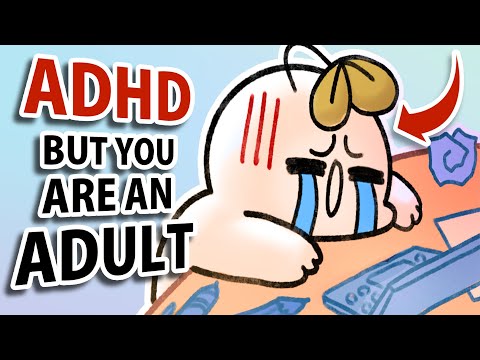
You know how some days just feel like your brain’s running a marathon? Like, you’re trying to focus, but everything around you is shouting for attention?
Well, if that sounds familiar, you might be wondering if it’s just a rough patch or something more.
Adult ADHD can sometimes sneak in and mess with our heads. Seriously, it’s like having a little gremlin in your mind.
But don’t sweat it! Let’s chat about some signs that might help you figure out what’s going on. Because if you’re feeling lost or overwhelmed, you’re definitely not alone—trust me on that one!
12 Key Symptoms of ADHD in Adults: Recognizing Adult Attention Deficit Hyperactivity Disorder
Alright, so let’s chat about adult ADHD, or Attention Deficit Hyperactivity Disorder. It’s not just a childhood thing—seriously, it can stick around into adulthood. Sometimes people don’t even realize they have it until they’re grown up! So here’s the deal: recognizing the symptoms can really help in getting the support you need.
1. Trouble Focusing: You might find it super hard to concentrate on tasks. Like, you sit down to work but your mind is all over the place. It’s like you’re trying to read a book while someone keeps changing the page every few seconds.
2. Disorganization: If your workspace looks like a tornado hit it, or if you often lose your keys or important papers, that could be a sign. You know how frustrating it is when you’re late because you couldn’t find your wallet? Yeah, that’s that chaos in action.
3. Impulsivity: Do you ever blurt things out in conversations without thinking? Or maybe you jump into decisions without weighing the consequences? This impulsive move can lead to some pretty awkward situations!
4. Restlessness: You might feel this constant need to be on the move. Sitting still during meetings can feel impossible—like your legs have a mind of their own! Ever notice yourself tapping feet or fiddling with stuff?
5. Forgetfulness: Important dates slip your mind easily, right? Whether it’s forgetting to send that email or missing an appointment—it happens more than you’d like to admit.
6. Difficulty Following Through: Ever start a project and never finish it? For instance, maybe you’ve left hobbies half-done or put off chores until they become mountains of laundry.
7. Emotional Instability: Mood swings can be part of the package too! You might feel happy one moment and then get irritated over small stuff later on—sometimes even without any clear reason.
8. Chronic Boredom: If routine feels like watching paint dry and you’re always seeking something new and exciting, that could be linked to ADHD too! It’s like your brain craves novelty, plain and simple.
9. Time Management Issues: Punctuality isn’t your strong suit? If you struggle with managing deadlines or tend to underestimate how long tasks will take, that could relate back to ADHD symptoms.
10. Difficulty Listening: When someone is talking but you’re totally zoning out (and then awkwardly nodding), yeah, that’s another classic sign! It’s not that you’re ignoring them; it’s just hard for your brain to stay tuned in sometimes.
11. Trouble Starting Tasks:You know those moments when you just stare at an assignment and can’t seem to kick off? Well, that paralysis of indecision can really hold back productivity.
12. Hyperfocus:This one’s kind of interesting! Sometimes people with ADHD get so absorbed in one activity that they lose track of time completely! You might miss meals because you’re caught up in something engaging—like binge-watching a show or working on a creative project.
If reading through these hit home for you, that’s okay—it’s just part of understanding yourself better! Many folks with adult ADHD find ways to manage these symptoms effectively through therapy or support groups.
Understanding the 5 C’s of ADHD: A Comprehensive Guide to Managing Attention Deficit Hyperactivity Disorder
ADHD, or Attention Deficit Hyperactivity Disorder, doesn’t just vanish when you become an adult. It can stick around and really impact your day-to-day life. So, let’s break down the 5 C’s of ADHD: Control, Challenge, Choice, Connection, and Celebration. They’re like a toolkit to help you manage it better.
Control is all about recognizing what you can and can’t change in your life. You might feel overwhelmed by distractions at work or home. Maybe you find yourself jumping from one task to another without finishing any of them. That’s where control comes in! Try creating a structured environment with clear boundaries. Set specific work hours and minimize distractions—like putting your phone on “Do Not Disturb.” This way, you’re steering your ship instead of letting it drift.
Next up is Challenge. This means not shying away from the things that make ADHD tough. Look at those challenging tasks—like organizing your week or tackling that project you’ve been putting off. Instead of dreading them, approach them as challenges to overcome. Break them down into smaller parts so they feel less intimidating. For example, if a presentation is looming in the future, start by jotting down ideas today instead of waiting until the night before.
Then we’ve got Choice. It’s essential to make conscious decisions about how to handle symptoms or cope with frustration. Sometimes it feels like ADHD controls your life; however, choosing how you manage it can make a huge difference! Find coping strategies that work for you—whether it’s mindfulness exercises or physical activities that help release some energy throughout the day.
After Choice comes Connection. Having support systems can be a game-changer! Reach out to friends or family who understand what you’re going through. You could also connect with others who have ADHD—they get it! Whether through online forums or local support groups, sharing experiences can lighten the load and offer fresh perspectives on challenges.
And last but definitely not least is Celebration. Seriously! It’s important to recognize even the small victories along the way. Managed to focus for 20 minutes? Celebrate that! Completed a task? Give yourself some credit! A simple acknowledgment can boost your mood and motivation to tackle more challenges ahead.
So there you have it: Control, Challenge, Choice, Connection, and Celebration—these five C’s are more than just tips; they’re essential threads in the fabric of managing adult ADHD effectively. They help set a groundwork for understanding yourself better while navigating life’s complexities with ADHD in mind. Embracing these concepts might just steer your journey toward success while keeping that beautiful uniqueness of yours intact.
Understanding the 1/3/5 Rule for ADHD: A Practical Guide to Boosting Focus and Productivity
So, let’s chat about this 1/3/5 Rule for ADHD. If you or someone you know is dealing with adult ADHD, figuring out how to get stuff done can be a real challenge. This approach, weird as it may sound at first, is super helpful in boosting your focus and productivity.
Basically, the 1/3/5 Rule is all about setting priorities for your day. It suggests that you identify one big task, three medium tasks, and five small tasks to tackle daily. It’s a cool way to organize your to-do list without feeling overwhelmed.
Here’s how it works:
- One big task: This should be the main focus of your day. It could be something like finishing a project at work or starting an important assignment.
- Three medium tasks: These are still significant but less daunting than your big task. Maybe responding to emails, attending meetings, or doing research falls into this category.
- Five small tasks: Think of these as quick wins! They could include things like making a phone call, organizing your desk, or checking off minor items on your list.
Why does this rule help? Well, when you have ADHD, maintaining focus can feel impossible sometimes—like trying to catch smoke with your bare hands! By narrowing down what you need to do each day into manageable chunks, you’re less likely to get overwhelmed.
Let’s say it’s Monday morning and you’ve got that huge report due by the end of the week. Instead of drowning in all the details of it right away (which can seriously mess with your head), just focus on getting one section done today. That becomes your big task. Then maybe schedule some calls with colleagues for feedback as your medium tasks. Finally, jot down easy things like clearing out old emails as your small tasks.
Now here’s where it gets even cooler: tracking what you accomplish can give you serious satisfaction! There’s nothing like crossing off items on a list to give yourself that adrenaline rush—like high-fiving yourself for being productive!
Oh! And don’t forget about flexibility because life happens. If something unexpected comes up (which it probably will), don’t stress! Adjust and shuffle things around rather than scrapping everything entirely.
Also remember that sometimes just understanding why these strategies work can be super comforting. ADHD brains process information differently; they might need more structure or visual cues than neurotypical brains do.
So there you have it! The 1/3/5 Rule isn’t just some gimmicky way to organize; it’s actually grounded in understanding how our brains work (or sometimes don’t). With practice and consistency using this method daily can help ease some of the chaos that often accompanies adult ADHD.
Keep experimenting until you find what really clicks for you—because everybody’s journey with ADHD is unique! And hey, celebrating those small wins along the way? So important!
Okay, let’s chat about adult ADHD. It’s one of those things that’s often misunderstood. Like, you might think of ADHD as a childhood thing, but tons of adults are living with it too. So, how do you know if you could be one of them? Well, buckle up, because we’re going to go over some signs that could point to this.
First off, if you’re easily distracted by the tiniest things—like a leaf blowing outside your window while you’re trying to read—you might want to pay attention. You know that feeling when someone’s talking to you and suddenly your mind drifts off? You’re not alone in this! A friend of mine once admitted she couldn’t focus during meetings at work. She’d find herself daydreaming about dinner plans instead of taking notes. Turns out, she had ADHD and didn’t even realize it until she sought help.
Another sign is time management issues. So maybe you’re always late or find yourself procrastinating like it’s an Olympic sport? If keeping a schedule feels like herding cats, yeah, that’s worth looking into. It’s not just about being “bad with time.” There’s a real struggle behind it when your brain isn’t cooperating.
Impulsivity is another red flag. How many times have you blurted something out without thinking? Or made spontaneous decisions that ended up being questionable? That can feel kinda embarrassing sometimes—like when I once ordered a bright pink carpet online because it seemed cool at 2 AM! Spoiler alert: It was not cool in person!
Then there’s the emotional rollercoaster part of ADHD. Some folks really struggle with mood swings or heightened feelings of frustration or impatience. If small annoyances flip your switch way too easily, that’s significant!
And let’s not forget about organization—or the lack thereof. Do you have piles of papers everywhere or a messy car that feels like a mini tornado hit it? This kind of chaos often reflects the inner turmoil many with ADHD face daily.
So what do these signs mean? They show how ADHD can impact different areas: focus, organization, emotions—all integral parts of life! Recognizing these signs is the first step toward understanding yourself better and seeking help if needed.
At the end of the day, nobody wants to feel overwhelmed by their own mind. And if this resonates with you or someone close to you, remember—it’s totally okay to look for support or talk to someone who gets it! You don’t have to tackle this alone; there are people out there who understand how tricky adult ADHD can be.