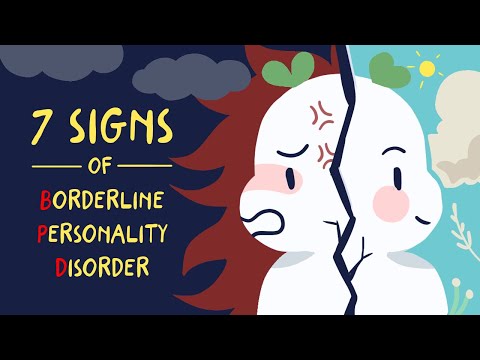
You know, mental health stuff can be super confusing sometimes. One day you’re feeling fine, and the next, bam! Everything feels off.
Now, imagine dealing with that on a daily basis. That’s a bit like what folks with Borderline Personality Disorder (BPD) experience.
It’s not just a “bad mood” kind of thing; it goes deeper than that. And honestly, recognizing the signs can really make a difference—for them and for those who care about them.
So, let’s chat about what to look for, okay? Trust me, understanding this stuff can really help you or someone you know navigate through the ups and downs.
5 Unexpected Symptoms of Borderline Personality Disorder You Need to Know
So, borderline personality disorder (BPD) can be, like, a pretty tough thing to navigate for both those who have it and their loved ones. But here’s the deal: you might think you know what BPD looks like—emotional swings, relationship chaos—but there are some surprisingly unexpected symptoms that can catch you off guard.
- Emotional Intensity: People with BPD often experience feelings that are way stronger than what most folks feel. You know when you get really mad or sad? For someone with BPD, it’s like turning the dial way past 10! It can be exhausting.
- Fear of Abandonment: This is a biggie. It’s not just about being scared to be alone. It’s this intense fear that people will leave them. Imagine thinking every time someone doesn’t text back right away, they’re suddenly gone for good. That feeling can make relationships super tricky.
- Impulsivity: Impulsive behavior isn’t just about spending a ton of cash or going out partying last minute; it can include risky stuff like reckless driving or unsafe sex. Some people react without really thinking about the consequences—and then regret it later.
- Identity Issues: A person with BPD might struggle to figure out who they are or what they want in life. One day they’re passionate about becoming a chef, and the next day they might want to ditch that dream completely. This constant shift can be really unsettling.
- Dissociation: When stress gets overwhelming, some folks with BPD might feel disconnected from themselves or their surroundings—basically feeling as if they’re watching their life like it’s a movie. This «floating» sensation is often scary and confusing.
Here’s an example: I had this friend who went through intense highs and lows in her relationships—super passionate one minute and then feeling totally abandoned the next when something small went wrong. She didn’t get why she felt so deeply; she just knew it was hard to keep friends close.
So understanding these not-so-obvious symptoms can help you see BPD from a different perspective—one that’s more human and relatable rather than just a list of behaviors that look strange from afar. And remember, just because someone has these symptoms doesn’t mean they’re defined by them; everyone’s experience is unique!
Understanding the Symptoms of BPD in Women: A Comprehensive Guide
Borderline Personality Disorder, or BPD, is something that can really shake up how someone feels and interacts with the world. It’s often misinterpreted, especially in women. So let’s unpack what these symptoms look like, shall we?
First off, people with BPD tend to have intense emotions that swing like a pendulum. One moment, you might feel on top of the world; the next? You could be down in the dumps. This emotional rollercoaster can really take a toll on everyday life.
Another common sign is a fear of abandonment. Imagine being so worried that someone might leave you that it drives every decision you make. It’s like walking on eggshells around relationships. For women with BPD, this can manifest as clinging behavior or pushing others away out of fear they’ll get hurt.
Impulsivity plays a big role too. This might mean making rash decisions without thinking them through—like spending sprees or jumping into relationships way too fast. Ever heard someone say they “live in the moment”? That sounds fun until it comes back to bite you!
Then there are those mood swings we talked about earlier but brought to another level. Women with BPD often experience intense anger or frustration that feels disproportionate to what triggered it. Imagine having a meltdown because of a missed coffee date; it may seem extreme but it’s very real.
Another critical symptom is self-image issues. You know those days when you just feel like everything about yourself is wrong? For someone with BPD, this can be persistent and pretty damaging over time—changing from one extreme self-image to another.
Let’s not forget about self-harming behaviors. Some might resort to physical harm as a coping mechanism for emotional pain. It sounds scary because it is scary! Whether it’s cutting or other harmful actions, it stems from feeling overwhelmed and wanting relief from those intense feelings.
And then there’s dissociation — which means feeling disconnected from yourself or your surroundings, almost like you’re watching your life through a foggy window. It’s unsettling and can leave you questioning reality for brief moments.
Lastly, there’s relationship instability. Women with BPD frequently have turbulent relationships characterized by intense ups and downs. One minute you’re best friends; the next? You’re blocked on social media after an argument that felt massive.
So yeah, these symptoms are serious and complex! If any of these resonate with you or someone close to you, reaching out for help can make all the difference—therapy can provide tools and insights to manage these feelings better.
Remember: understanding is crucial here! Everyone has their own story and struggles when it comes to mental health issues like BPD. Compassion goes a long way in creating support systems for those navigating this disorder!
Understanding Borderline Personality Disorder: Take Our Comprehensive Test to Assess Your Symptoms
Borderline Personality Disorder, or BPD for short, can be a pretty tough nut to crack. It’s like riding a rollercoaster of emotions. If you or someone you know is feeling this way, it can be helpful to understand what it’s all about.
First off, people with BPD often struggle with intense emotions. Imagine feeling super happy one moment and then overwhelmed by sadness a few hours later. That up-and-down can leave you feeling drained and confused.
Another thing to consider is fear of abandonment. Ever had that nagging fear that someone close to you might leave? For folks with BPD, it can be way more intense. They may go to great lengths to avoid being alone or feel utterly devastated at the thought of separation.
Then there’s self-image issues. You know how we all have days where we’re not quite sure who we are? For someone with BPD, that uncertainty can become really profound. They might not only doubt their beliefs and values but also their sense of self changes based on who they’re with.
Relationships are another complex piece of the puzzle—often swinging from idealization (thinking someone is perfect) to devaluation (thinking they’re awful). It’s like having a love-hate relationship with those close to them.
You might also notice things like impulsivity. This could be acting rashly in ways that seem fun at first but lead down a path of regret later. This could include things such as reckless spending or risky behaviors in relationships.
And let’s not forget about emotional dysregulation. This means having a hard time managing emotions, so feelings can get super intense and may take longer than usual to settle down.
The emotional experience here is very real. Someone close once shared how she felt like she was living inside a hurricane—never really knowing when the next storm would hit.
If you’re trying to understand if these signs resonate with your experiences, there are assessments out there that help gauge symptoms related to BPD. These tests often ask about your feelings and behaviors over certain periods—no pressure! They’re just tools for understanding where you stand.
So just remember, if this resonates with you or someone else in your life, reaching out for professional support can be truly transformative. It’s like finding your way through all those crazy emotions together.
You know, figuring out what’s going on in your head, or someone else’s, can be a real puzzle. Like, when it comes to Borderline Personality Disorder (BPD), it’s often confusing for both the person experiencing it and those around them. I once had a friend who would swing from feeling really happy one moment to completely crushed the next—like, whoa! That kind of emotional rollercoaster is one of the standout signs.
People with BPD often struggle with intense emotions. It can feel like you’re on this wild ride where you’re up one minute and down the next. And these feelings? They’re not just passing moods; they can be full-blown storms that leave you reeling. Ever hear someone say they feel empty or disconnected? That’s another common thread. It’s like there’s a fog that won’t lift, making everything seem dull and gray.
Then there’s this thing called fear of abandonment. Imagine always feeling like people are going to leave you, even if they just walked into another room. It can lead to some really frantic behavior—like calling or texting nonstop because the thought of being alone feels unbearable.
And let’s not forget about relationships. They can be super intense! You might either idealize someone one minute and then suddenly think they’re the worst person ever the next. It’s tough navigating those ups and downs; I’ve seen friends lose relationships over those quick emotional shifts.
And, gosh, impulsivity is a biggie too. A lot of people with BPD engage in reckless behaviors—like spending sprees or risky decisions—which might feel good in the moment but often lead to regret later on.
Of course, everyone experiences things differently; not every sign will be present in every person with BPD. But if you notice these patterns—whether in yourself or someone close—it might be time to look deeper into what’s going on emotionally.
It’s easy to get overwhelmed when thinking about these signs and what they mean. But recognizing them is like shining a light on things that may seem dark or confusing at first glance.