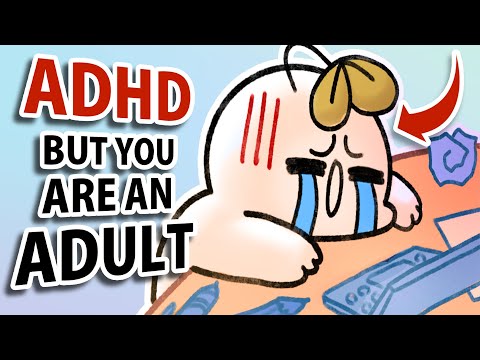
Hey, you know that feeling when you sit down to focus, but your brain just won’t cooperate? Like, one minute you’re trying to read a book and the next, you’re daydreaming about what’s for dinner.
Yeah, it can be super frustrating. You might even wonder if something more is going on. It’s not unusual to have those moments where you’re like, «Wait, is this just me?»
Well, let’s chat about undiagnosed ADHD symptoms. Seriously, it’s a lot more common than you think. And sometimes people go through life without even realizing they’ve got it.
Let’s break down some signs that could point to ADHD lurking in the background of your everyday life. You might just find out some things about yourself that click!
Understanding Untreated ADHD in Adults: Signs, Symptoms, and Effects
Understanding untreated ADHD in adults is super important because it can really mess with how you navigate life. It ain’t just a kid thing; many adults go undiagnosed, and that can lead to all sorts of challenges. So, let’s break this down.
First off, **what exactly is ADHD?** Attention-Deficit/Hyperactivity Disorder (ADHD) is a condition that affects how you pay attention, control impulses, and manage hyperactivity. For folks who have it but haven’t been diagnosed, life can feel a bit chaotic at times.
So here are some signs and symptoms that may point to undiagnosed ADHD:
- Inattention: You might find it hard to focus on tasks or get easily distracted by noises or things happening around you.
- Forgetfulness: Ever lose your keys on the regular? Or forget appointments? This kind of forgetfulness isn’t just being absent-minded; it can be a sign.
- Disorganization: Your workspace or home might look like a tornado hit it. If keeping track of deadlines or organizing tasks feels impossible, that’s tough.
- Impulsivity: You often rush decisions without thinking them through? Like maybe making purchases you regret later? Yeah, that could be linked to ADHD.
- Restlessness: While everyone gets bored sometimes, folks with ADHD may struggle to stay still—like having this inner motor that just won’t turn off.
Now let’s talk about how this affects daily life. If these signs are ringing true for you, consider how they impact your work or relationships. You might find yourself constantly stressed because tasks pile up or because communication issues arise with family and friends.
For example, picture this: You’re in a meeting at work and suddenly realize you’ve zoned out for ten minutes. You didn’t even catch the main points! It can feel pretty embarrassing and frustrating—not to mention awkward when someone asks for your input.
And here’s the kicker: untreated ADHD often leads to other mental health challenges. Anxiety and depression are common companions of adult ADHD. Imagine juggling saying “yes” to everything while also feeling overwhelmed by all those commitments—you end up feeling trapped and exhausted.
Also, moving through life without understanding why things seem harder for you compared to others can lead to low self-esteem over time. You might think there’s something wrong with you when in reality it’s just undiagnosed ADHD affecting your ability to keep pace with the world around you.
But don’t lose hope! There are strategies available. While seeking professional help is crucial for an accurate diagnosis, many people find relief through therapy or medication after learning about their condition.
You see, understanding untreatened ADHD helps shed light on the experiences that many adults go through but don’t talk about openly. It’s okay not to have everything figured out right now; acknowledging these feelings can be the first step toward making positive changes in your life.
Identifying the Signs of Untreated ADHD in Adults: Understanding the Impact on Daily Life
Recognizing untreated ADHD in adults can be a bit like searching for a needle in a haystack. You might not even know you’re dealing with it until life starts feeling a bit off, you know? So, let’s break down some of those signs and how they can mess with your daily routine.
First off, inattention is a big one. You may find it hard to focus on tasks, especially if they’re boring or repetitive. Maybe you’ve got the TV on while trying to read, and suddenly you realize you haven’t absorbed a single word of what you’ve read. Ever been there? It’s super frustrating!
Then there’s hyperactivity. Now, this doesn’t always look like bouncing off the walls; sometimes it’s more subtle. You might feel restless or have this nagging urge to keep moving around, even when you’re supposed to be sitting still. It can make meetings drag on forever because you’re just itching to get up.
Another sign is disorganization. Your workspace kinda looks like a tornado hit it? Or maybe you find yourself losing track of important deadlines all the time? That chaos can spill over into your personal life, too—like forgetting birthdays or leaving the groceries in the car for hours.
Also, emotional regulation can be tricky for those with untreated ADHD. You know those moments when you snap at someone over something small? It’s like your brain can’t filter emotions properly sometimes, leading to overreactions that leave everyone confused—including yourself.
Let’s not forget about impulsivity. This could mean making decisions without thinking them through or saying things that pop into your head before considering how they’ll affect others. Sometimes it’s fun and spontaneous, but it can also land you in awkward situations.
Speaking of relationships—those can take a hit too. If you’re often forgetting plans or struggling to listen during conversations, friends might start feeling neglected or unappreciated. It’s rough out there!
Finally, sleep issues are common for many adults with ADHD. Ever lie awake at night with thoughts racing through your brain or wake up multiple times feeling unrested? That kind of stuff can make getting through the day feel like an uphill battle.
If you’ve recognized some of these signs in yourself (or in someone close), don’t panic! Just remember that understanding what’s going on is super important. Sometimes just talking things over with someone who gets it—a friendly therapist or even just someone who listens—can help put everything into perspective.
You see how untreated ADHD can ripple through aspects of daily life? To sum up: paying attention to these signs is crucial because from work struggles to family dynamics and everything in between, recognizing what’s going on is the first step toward finding solutions that really help!
Understanding Undiagnosed ADHD in Adult Women: Signs, Challenges, and Solutions
Okay, so let’s talk about undiagnosed ADHD in adult women. It’s a pretty important topic that doesn’t get enough attention. Many women go through life without realizing they might have ADHD, and it can lead to some real challenges.
First off, what are the signs you might be dealing with? Well, here are some common ones:
These signs can manifest differently in women compared to men. Many times, societal expectations make it tougher for women to recognize these signs as ADHD symptoms.
Now let’s look at some challenges faced by adult women with undiagnosed ADHD. The thing is, many women tend to internalize their struggles. They might think they’re just lazy or unmotivated when what’s really going on is that their brain works differently.
Women are also often perfectionists and juggle multiple roles—careers, family responsibilities—so it’s easy to overlook the signs while managing stress and anxiety that come from being stretched too thin.
Imagine a woman named Sarah who excels at her job but constantly worries about missing deadlines due to her scattered thoughts. She juggles work projects with family life and just feels overwhelmed sometimes. That pressure can lead to burnout or anxiety disorders if she’s never diagnosed.
So what can be done about this? Here are some solutions that could make a difference:
It may take time to sort through feelings and learn more about yourself but understanding why you do things differently is empowering.
Speaking from personal experiences shared by many women out there—recognizing undiagnosed ADHD isn’t just about finding answers; it’s also about giving yourself grace in knowing you’re not alone in this journey!
You know, figuring out whether you might have ADHD can be quite the journey. A lot of folks go through life feeling a bit… off, or like they don’t quite fit into the usual mold, and it might just be because they’re dealing with symptoms that haven’t been recognized yet.
Picture this: you’re in a meeting, trying really hard to focus on what’s being said. But your mind is kind of dancing all over the place. You could think about what you’re having for dinner, reminders for tomorrow, or even that TikTok video you saw earlier. It’s like a million tabs are open in your brain, and each one is screaming for your attention.
One major sign of undiagnosed ADHD is trouble focusing or sustaining attention. You might find yourself zoning out during conversations or needing to re-read the same paragraph multiple times because—let’s be honest—your mind just wandered off to who knows where.
Another thing is impulsivity. Maybe you often find yourself interrupting others or blurting out thoughts before filtering them first. It can feel like there’s a little gremlin inside pushing you to speak up even when it’s not your turn. And that can lead to some awkward moments!
And then there’s hyperactivity, which isn’t always what people assume it is. Sure, some folks fidget all over the place and need to move constantly—but sometimes it looks more like an inner restlessness. You might feel like you’re meant to be doing ten things at once but end up not finishing anything at all.
I remember chatting with a friend who always had this energy but struggled in work settings because she couldn’t seem to keep track of deadlines or organize her tasks properly. She felt overwhelmed by the mess in her planner, and honestly, it was pretty relatable! She worked hard but found herself feeling defeated when things didn’t go as planned—and turns out she was battling some undiagnosed ADHD symptoms that had slipped under the radar for years.
So if you’re catching yourself nodding along thinking “Wow, I’ve felt that way,” maybe it’s worth looking into? Just knowing you’re not alone can lift some weight off your shoulders. Recognizing these signs doesn’t mean anything is wrong with you; it just means understanding yourself better so you can navigate life with more ease!