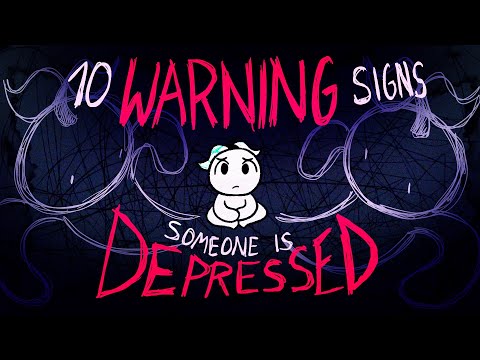
You know those days when getting out of bed feels like climbing a mountain?
Or when your favorite song just doesn’t hit the same?
Yeah, we all have our off moments. But sometimes, those moments stretch into something deeper.
It can be hard to tell what’s normal and what’s not, right?
Like, maybe you’re feeling low, but is it just a bad week or something more?
Let’s chat about some signs that you might be dealing with depression symptoms. You’re not alone in this, seriously.
Recognizing the Early Signs of Depression: Key Indicators to Watch For
Depression can sneak up on you, often like a shadow that slowly creeps in and dims your light. Recognizing the early signs of depression is super important because catching it early can make a big difference. Here are some key indicators to keep an eye out for:
Persistent Sadness: Feeling down for a prolonged period isn’t just a bad day; it’s more like an emotional weight that doesn’t seem to lift. If you’re feeling sad or hopeless most of the time, that’s a warning sign.
Loss of Interest: Maybe you used to love going out with friends or binge-watching your favorite shows, and now? You can’t even muster the energy. This loss of interest in things or activities that once brought you joy is a big red flag.
Changes in Sleep Patterns: Are you sleeping way too much or struggling to get any shut-eye at all? Both extremes can indicate something deeper going on. It’s like your body is trying to cope in its own weird way.
Fatigue: Feeling tired all the time, even after a full night’s sleep? That’s not normal. It’s almost as if you’re dragging around an invisible backpack filled with bricks. This kind of exhaustion can really make daily tasks feel monumental.
Changes in Appetite: Eating too much or too little? It might not just be about cravings or dieting; these shifts can reflect how you’re feeling inside. It’s worth noting if you’ve suddenly lost interest in food or found yourself raiding the fridge constantly.
Difficulties Concentrating: If making decisions feels harder than usual, or if your mind is racing but you can’t focus on anything specific, that could also signal depression. It’s frustrating when your brain feels clouded, isn’t it?
Feelings of Guilt or Worthlessness: A nagging sense that you’re not good enough, combined with guilt over things you can’t control, is tough to handle. These feelings can distort how you view yourself and your situation severely.
So yeah, these signs are like little red flags waving at you. If you’re noticing these symptoms lasting for more than two weeks, it might be worth reaching out to someone—a friend, family member, or a mental health professional—to talk about what you’re experiencing.
You’re definitely not alone in this! Mental health struggles touch so many lives, and understanding what’s going on is the first step toward feeling better.
12 Key Signs of Depression: Recognizing the Symptoms for Better Mental Health
Feeling down every now and then is totally normal. But if you find yourself in a funk for a while, like days or weeks, that might be something more serious—like depression. Recognizing the signs is super important for your mental health, so let’s break down 12 key signs that you might be experiencing depression symptoms.
- Persistent Sadness: If you feel sad or hopeless most of the time, it’s a big red flag. This isn’t just about having a rough day or two; it can linger.
- Loss of Interest: Remember those things you used to love? Whether it’s hobbies, hanging out with friends, or binge-watching your favorite show? If they no longer excite you at all, that’s concerning.
- Changes in Appetite: Maybe you’re eating way too much or hardly eating anything. Whatever the case, significant changes can be a sign that something’s off.
- Sleeplessness or Oversleeping: Do you find it hard to fall asleep? Or are you sleeping all day and still feeling exhausted? Both extremes can indicate depression.
- Fatigue: It’s one thing to feel tired after a long day; it’s another to feel like getting out of bed feels like climbing Mount Everest for no reason.
- Cognitive Issues: Struggling to concentrate or make decisions? If your brain feels foggy or if common tasks seem impossible, pay attention!
- Irritability: Have little things started to annoy the heck out of you? Feeling on edge more often could point towards underlying issues.
- A Sense of Worthlessness: If you’re constantly criticizing yourself or feeling like a burden to others—it’s tough and not fair to yourself!
- Social Withdrawal: Pulling away from loved ones? Isolating yourself more than usual can be a clue that things aren’t right.
- Aching Body: Sometimes depression shows up as physical pain. Unexplained headaches, backaches, or stomach problems might pop up when you’re feeling down.
- Thoughts of Death: Feeling hopeless is one thing; having thoughts about dying is another. This one really needs immediate attention—don’t brush it off!
- Diminished Motivation: Struggle to get started on tasks? When even simple things seem overwhelming, it’s often tied to how we’re feeling mentally.
If any of these sound familiar, don’t hesitate! Reach out for help from a friend, family member, or professional. Remember: recognizing these signs is the first step towards feeling better! You deserve support and care when life gets tough.
Understanding the Difference: Am I Depressed or Just Experiencing a Bad Day?
So, you’re feeling down and questioning whether it’s just a bad day or something bigger like depression? That’s totally normal. Life throws curveballs at us all the time, and sometimes it can blur the lines between temporary blues and an actual mental health issue. Let’s break this down.
First off, depression isn’t just feeling sad sometimes. It can knock the wind out of you for days, weeks, or even longer. When you think about it, a **bad day** usually comes from specific triggers—maybe you had a fight with a friend or work was just overwhelming. But depression hangs around with no clear reason, like an unwanted houseguest that won’t leave.
Here are some things to consider:
Now let me tell you about someone I know—a friend named Alex. One week he was on top of the world; he had this amazing job opportunity cooking in his dream restaurant! The next week? He felt awful—could barely get out of bed and stopped calling friends back. At first glance, it seemed like a rough patch right after high hopes fell through but then weeks turned into months where he struggled to find excitement again in anything at all.
You see how important context is? If Alex was just having some bad days due to work stress alone, we could probably shake it off as rough times ahead. But since his mood sank deep into that numb state—with no motivation to do things he loved—it became clear he needed support.
And speaking of support: if you’re unsure where you stand but notice some signs leaning towards chronic lows instead of fleeting sadness—you should consider reaching out! Talking with someone can really help clarify things.
In wrapping up this little chat: being aware of how long emotions last and their intensity is key in figuring this stuff out. Bad days happen to everyone; however when those dark clouds don’t part after some time—it may be an indication that something deeper is going on.
Remember to take care of yourself!
You know, sometimes life can feel like a heavy fog rolling in and sticking around longer than you’d like. You wake up one morning and just can’t shake that feeling that everything is a bit… off. It’s not always easy to spot, but there are some signs that might mean you’re dealing with depression symptoms.
Maybe you find yourself feeling more tired than usual, even after a full night’s sleep. Like, seriously, getting out of bed seems like climbing a mountain. Or perhaps the things that used to bring you joy—like hanging out with friends or those favorite hobbies—just don’t have the same spark anymore. That loss of interest can be super confusing and honestly kinda heartbreaking.
Another thing to watch for? Changes in appetite or sleep. You might suddenly be craving junk food 24/7 or maybe you’ve lost your appetite entirely. Then there’s sleeping too much or struggling to fall asleep at all; either way, it can mess with your head big time.
I remember this one time when a friend of mine—a real go-getter—went silent for weeks. He just stopped responding to texts and even skipped our hangouts. At first, I thought he was busy, but as days turned into weeks, I realized something wasn’t right. Eventually, he opened up about feeling overwhelmed and trapped in a cycle of negative thoughts. It hit me hard because I never would’ve guessed he was struggling beneath that carefree exterior.
So if you notice yourself feeling down for longer than you’d expect—say a couple of weeks—and those feelings start impacting your daily life? It could be worth talking to someone about it. Sometimes just sharing what’s going on can lift some weight off your shoulders.
And no matter what it looks like for you personally, remember: you’re not alone in this struggle. There are people who understand and want to help. Reaching out is honestly one of the strongest things you can do when the fog seems too thick to see through.