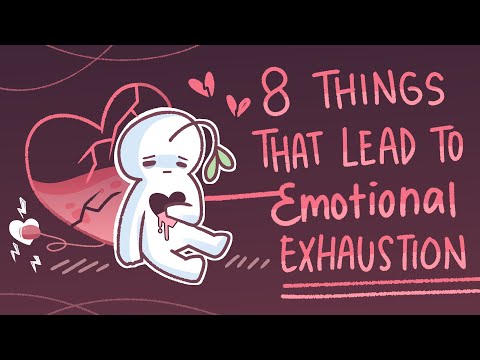
You know that feeling when you’ve just hit a wall? Like, everything feels way too heavy, and you’re just… done?
Yeah, that’s emotional exhaustion kicking in. It sneaks up on you when you least expect it. One minute you’re fine, and the next, it’s like your battery just drained.
Honestly, it can feel really isolating. You might think everyone else is cruising through life while you’re stuck in the muck. But trust me—you’re not alone in this.
Let’s take a look at some signs of emotional exhaustion together. You might find that recognizing these signs is the first step toward feeling a little more like yourself again!
Understanding Recovery Time: How Long Does It Take to Overcome Emotional Exhaustion?
Emotional exhaustion is that feeling when you’re just drained, like you’ve been running a marathon in your mind. It’s not just about being tired; it’s like every little thing feels heavy. You might be irritable, have trouble sleeping, and even feel disconnected from life. Recognizing these signs is the first step to understanding recovery time.
Now, how long does it take to bounce back from this? Well, the truth is, it varies for everyone. Some folks might find that after a few weeks of focusing on self-care, they start to feel more like themselves again. But others could take months or even longer. The important thing is that recovery isn’t a straight line—it has ups and downs.
Here are some factors that can influence how long recovery takes:
A personal storythere’s no one-size-fits-all answer. Recovery from emotional exhaustion varies widely—just remember to be kind to yourself during the process! It’s not just about getting back on track; it’s about finding what works best for you in reclaiming your energy and peace of mind.
Understanding Emotional Exhaustion: Causes, Symptoms, and Healing Strategies
Emotional exhaustion is one of those things that can sneak up on you, leaving you feeling drained and foggy, like your brain’s running low on batteries. It’s not just being tired; it’s a deep fatigue that comes from the emotional weight we carry. This kind of exhaustion can be linked to a variety of factors, and it’s super important to keep an eye out for the signs.
Causes of emotional exhaustion can range from work stress to personal relationships. Basically, any situation where you’re constantly giving emotionally without enough recharge time can lead to this feeling. Here are some common culprits:
- Chronic stress at work or home.
- Taking care of loved ones in distress.
- Prolonged exposure to negativity or conflict.
- Lack of support or feelings of isolation.
For example, think about someone who’s caring for an ill family member while also juggling a demanding job—this situation can create a perfect storm for emotional exhaustion.
Now, let’s talk about the symptoms. This isn’t just about being tired—it’s more like you’ve hit a wall and nothing seems fun anymore. You might notice:
- A sense of overwhelming fatigue that doesn’t go away with rest.
- Cynicism or negativity toward everything around you.
- Difficulty concentrating or making decisions.
- Increased irritability or anxiety.
You know when you try to watch your favorite show but can’t focus on anything? That’s emotional exhaustion creeping in.
So how do we start healing? It really comes down to finding ways to refill your emotional cup. Here are some strategies that may help:
- Set boundaries: Learn when to say no so you don’t take on more than you can handle.
- Practice self-care: Engage in activities that recharge your batteries, like reading, going for a walk, or even binge-watching some feel-good shows!
- Connect with others: Talk about how you’re feeling with friends or family members who understand. Sometimes just sharing makes a huge difference.
- Seek professional help: If things feel too heavy, talking with a therapist might give you new tools and insights into managing what you’re going through.
Remember, healing isn’t always linear—it takes time. So be gentle with yourself as you navigate through these feelings. Emotional exhaustion might feel isolating at times, but recognizing it is the first step towards finding your spark again!
Assess Your Well-Being: Take the Emotional Exhaustion Test Today
Feeling drained? Like you’ve been running on empty for weeks? You might be dealing with emotional exhaustion. It’s more common than you think, especially with everything life throws at us. Let’s break it down and figure out if it’s time to hit the pause button.
Emotional exhaustion is that tiredness that seeps into your bones. You know, when even the thought of engaging with loved ones feels like climbing a mountain? It’s like you’re carrying this heavy backpack full of worries—stress from work, relationships, or just life in general. And eventually, it takes a toll on your mental health.
So what are some signs of emotional exhaustion? Well, here are a few symptoms to think about:
- Persistent fatigue: You wake up tired, even after a full night’s sleep.
- Irritability: Little things start bothering you more than usual. Like traffic lights or how someone chews their food.
- Cynicism: You find yourself feeling negative about things you once enjoyed, like your favorite show or hobbies.
- Apathy: You just don’t care anymore about stuff that used to matter—a job promotion or planning a weekend trip.
- Difficulty concentrating: Your mind feels foggy. Do you ever feel like you can’t focus on anything for longer than five minutes?
If any of this sounds familiar, it may be a sign to take an emotional check-in. A simple way is to take an emotional exhaustion test. Many are available online and can help guide how you’re feeling. They often ask questions about your stress levels and emotional state. Just remember: these tests aren’t diagnosing anything but can provide insight into where you’re at mentally.
You might wonder why this matters so much. Well, unchecked emotional exhaustion can lead to bigger issues like anxiety or depression. It’s kind of like ignoring that weird sound in your car until it’s too late—then you’re stuck on the side of the road calling for help!
If you find yourself feeling emotionally exhausted after taking the test or reflecting on your feelings, don’t hesitate to reach out for support. Talking to a friend or seeking professional help can make a huge difference. Seriously! Just sharing what’s going on can lighten that heavy load.
The main thing is not to brush off how you’re feeling. Emotional exhaustion isn’t just «being tired.» It’s serious—and recognizing it is the first step towards better well-being! So check in with yourself regularly; if needed, make changes that prioritize your mental health.
Your emotions matter, and taking care of them is crucial for living life fully.
Emotional exhaustion, huh? It’s one of those things that creeps up on you when you least expect it. You may start feeling a little off, like when your phone battery is draining faster than usual, but you brush it off. Maybe it’s just stress from work or life in general. You know how it goes.
I once had a friend who looked totally burnt out. They were the go-to person for everyone, always helpful and full of energy. But one day, during our coffee catch-up—probably our third one that week—they just stared at their cup, looking completely lost. I asked if they were okay, and they sighed deeply. They admitted that everything felt overwhelming. It was clear; they were running on fumes.
So what are some signs to look out for? Well, let’s chat about that a bit. First off, you might feel more irritable than usual—like even the smallest things can set you off, right? Then there’s the emotional numbness; sometimes everything feels flat and lifeless. It’s like being stuck in neutral gear when all you wanna do is zoom ahead.
You might also notice physical symptoms creeping in—like headaches or the feeling of being perpetually tired—even after a good night’s sleep! And your motivation? Poof! Gone like ice cream on a hot day.
The thing is, while recognizing these signs can feel daunting, it’s important to be gentle with yourself too. If you’re feeling this way—or notice someone else is—it’s okay to take a step back and breathe for a bit. Sometimes just naming what you’re experiencing can lessen its weight.
So yeah, emotional exhaustion isn’t something to ignore. It shows up quietly but can have such loud consequences if we don’t pay attention to it. Checking in with yourself regularly might just help keep those feelings from spiraling out of control later on!