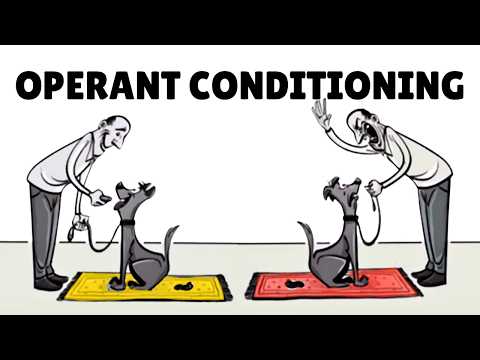
You know, it’s kind of wild how our brains work. Like, sometimes we’re not even aware of the patterns we pick up on. Ever had a smell or sound just take you back to a moment from your childhood? That’s a bit of what classical conditioning is about.
Skinner tossed his hat in the ring with this stuff. He showed us how behavior can be shaped by what happens after it, like rewards and consequences. It sounds simple, but there’s a lot going on underneath.
Now think about mental health for a sec. The way we react to things—our fears, our joys—so much comes from what we’ve learned over time. Sometimes those lessons are great; other times? Not so much.
So, let’s dig a little deeper into this whole Skinner thing and see how it ties into our minds today. Trust me; it might change the way you think about your own experiences!
Unpacking Skinner’s Impact: A Deep Dive into His Contributions to Psychology
B.F. Skinner was a big name in psychology, especially when it comes to understanding behavior. His work has shaped how we think about learning and behavior modification, which ties directly into mental health. So, let’s break down his contributions and how they relate to what we call classical conditioning.
First off, Skinner is most famous for his work on operant conditioning. This is a little different from classical conditioning, which was more about learning through association. You know that «Pavlov’s dogs» thing? Well, Skinner took it a step further by focusing on how behaviors are influenced by their consequences. Basically, if you reinforce a behavior with rewards or punishments, it’s more likely to happen again or less likely to happen again.
Now, what does this mean for mental health? Well, think of it this way: if someone has anxiety and they avoid certain situations because they’re scared—like public speaking—they might feel relief from their anxiety in the short term. But this avoidance actually reinforces the fear. In turn, this makes future panic even stronger because they never face what triggers them.
Here are some key points about Skinner’s impact:
- Behavior modification: Therapists often use principles from operant conditioning to help people change maladaptive behaviors.
- Reinforcement schedules: There are various ways to reinforce behaviors—like giving praise consistently versus occasionally—which can affect how quickly someone learns.
- Applications in therapy: Techniques like token economies can reward positive behavior in settings like schools or clinics.
Think of a kid learning to tie their shoes. If every time they get it right, they’re praised or rewarded—maybe with a sticker—they’re more likely to keep trying and eventually master the skill. This is kind of what happens when using Skinner’s ideas in therapy; it’s like building good habits through positive feedback.
But let’s not forget about the role of punishment here too! While it might sometimes be necessary to discourage bad behaviors—yelling at kids for running into the street isn’t great but it’s sometimes needed—it can have negative consequences if overused. It could lead to fear or resentment instead of learning.
To wrap things up, Skinner’s ideas show us that our environment plays a huge part in shaping our behaviors and emotions. By understanding his principles of operant conditioning—reinforcement and punishment—we can create therapeutic strategies that help people manage conditions like anxiety or depression more effectively. You see? It all connects back to why someone might feel how they do and how changing those patterns can lead to better mental health outcomes!
Exploring the Modern Applications of Skinner’s Behavioral Theory in Mental Health
B.F. Skinner’s behavioral theory is a pretty big deal in psychology, especially when it comes to understanding how we learn and modify our behavior. You might know him for his work on operant conditioning, which is all about how consequences shape our actions. But let’s dig deeper into how his ideas, especially classical conditioning, play out in mental health today.
When you think of classical conditioning, you might remember the classic example of Pavlov’s dogs. But Skinner took things a step further with operant conditioning, where behaviors are encouraged or discouraged based on rewards and punishments.
In modern therapy settings, this concept is super useful. For instance:
- Behavior Modification: This technique is widely used in various therapy forms like Cognitive Behavioral Therapy (CBT). By rewarding positive behaviors (like getting out of bed), therapists help clients create new habits.
- Exposure Therapy: This involves gradually exposing someone to their fears in a safe environment. Over time, the fear response can lessen because the person learns there’s no actual threat.
- Token Economies: In settings like schools or mental health facilities, giving tokens for good behavior can motivate people to engage in healthy actions.
- Aversive Conditioning: This approach uses negative stimuli to discourage unwanted behaviors. Think of it as a deterrent for habits like smoking—pairing it with something unpleasant can help break the cycle.
You see this stuff play out in real life too! Picture someone who has social anxiety; they avoid gatherings because they fear judgment. A therapist might help them face those situations slowly while providing positive feedback when they make an effort to engage. Over time, with enough practice and support, that anxiety can shrink significantly.
But there’s more! Skinner’s ideas aren’t just about reacting to other people’s behaviors; they can also help you manage your own emotions and reactions better. If you know what triggers your stress or anxiety—like tight deadlines at work—you could set up some rewards for yourself when you handle those triggers gracefully.
Let’s not forget about technology! Nowadays, there are apps that use these principles to help people change their habits or track their moods by rewarding progress—kind of like leveling up in a game!
Overall, while Skinner’s theories might seem old school at first glance, they’re still totally relevant today. They provide practical tools for tackling various mental health challenges by focusing on observable behavior changes rather than just internal struggles alone.
So next time you’re wrestling with a habit or feeling stuck emotionally, remember: changing behavior often starts with understanding what reinforces or discourages that behavior—and maybe even giving yourself a little reward along the way!
Understanding Classical Conditioning: Insights from Skinner’s Behavioral Psychology
Understanding classical conditioning can be super helpful when you’re trying to wrap your mind around how we learn and respond to different situations. A lot of this comes from the work of B.F. Skinner, who was actually more into operant conditioning, but his ideas tie in really nicely with classical conditioning too.
So, classical conditioning is basically when you learn to associate one thing with another. Think about Pavlov and his dogs—he rang a bell before feeding them, and eventually, those pups started drooling just at the sound of that bell. They learned that the bell meant food was coming! It’s all about creating connections between stimuli.
Now, Skinner focused on behavior changes based on rewards or punishments—what’s known as operant conditioning. But here’s where it gets interesting: these two concepts mix! For example, let’s say you always get a cookie (a reward) when you finish your homework (the behavior). You might start associating that homework with goodies, and voila—you’re more likely to do it!
When it comes to mental health, understanding these connections can be a game changer. If you’re anxious about social situations because of past experiences (like getting embarrassed at a party), that anxiety is kind of like classical conditioning at work. Your brain associates parties with feeling awkward or scared.
Here are a few key points to keep in mind:
- Conditioned Responses: These are automatic reactions based on learned experiences. If you experience something stressful repeatedly, your brain learns to react whenever it senses similar triggers.
- Extinction: This happens when the conditioned response fades away after repeated exposure without reinforcement. Like if those party fears don’t get triggered anymore—your brain learns it’s okay!
- Applications in Therapy: Therapies like Exposure Therapy use these principles to help people face their fears gradually. It’s kind of like retraining your brain.
- The Role of Environment: Your surroundings can influence your responses too! Think good vibes versus bad vibes—where you hang out matters!
Bringing Skinner into the mix highlights how rewards and consequences shape our behavior over time as well. Maybe someone has been reinforced for avoiding certain situations; they might stick with that behavior outta fear or anxiety instead of tackling the issue head-on.
Real talk: understanding this stuff gives us tools for tackling our habits and emotional responses better. Whether it’s fears stemming from past experiences or patterns we want to change in our lives—it all comes down to learning how we connect those dots.
So remember, both classical and operant conditioning are all about learning through experience! It’s fascinating how our brains navigate these paths, shaping everything from our daily choices to deeper emotional responses—all through those associations we create along the way!
Alright, let’s talk about classical conditioning. You know, that concept from behavioral psychology that kind of goes like this: you pair a neutral stimulus with an unconditioned stimulus, and eventually the neutral one starts to trigger the same response as the unconditioned one. It was made famous by Ivan Pavlov and his dogs. But hold on, let’s connect this to mental health.
Picture this: you’re at a party and someone accidentally spills a drink on you. You feel embarrassed and uncomfortable, right? Now imagine that every time you hear music from that party, your stomach drops because it reminds you of that moment. That’s classical conditioning in action! Your brain has linked the music (neutral stimulus) with the embarrassment (unconditioned response). So when you hear it again later, bam! You feel those old feelings resurface.
When it comes to mental health, classical conditioning can play a pretty big role. Think about anxiety disorders for a second. Situations or places where someone has experienced panic attacks could become triggers for future anxiety episodes. Similar to my party scenario, they hear something or see something that reminds them of their panic moments—boom! Anxiety kicks in before they even have time to think about it.
But here’s where it gets interesting: not all conditioning is negative! In therapy, for example, techniques like exposure therapy use these principles to help people face their fears gradually. So if someone is scared of dogs because they had a terrible experience once (like getting barked at), therapists might slowly introduce positive experiences around dogs—maybe through videos or safely interacting with calm ones—until the fear starts fading away.
I remember chatting with a friend who had an awful fear of flying because she’d had a rough flight years ago. It was super intense for her; she couldn’t even think about booking tickets without feeling sick. But her therapist helped her reconnect those feelings by slowly introducing her to flying-related things—like watching videos or taking small flights with support—so she could start rebuilding some positive associations.
In the end, classical conditioning isn’t just some dry theory; it’s got real implications for how we understand behaviors and emotions in mental health contexts. It’s wild how our brains work like that—connecting dots between experiences and feelings we might not even consciously notice!