You know how life can feel a bit chaotic sometimes, right? Like, we all have our ups and downs. It’s so easy to get lost in the shuffle.
Well, that’s where the Slaa 12 Step program comes in. It’s not just another list of rules or steps. Nah, it’s way more about connection and healing.
Picture this: you’re surrounded by people who get it. They’ve walked some of the same tough paths you have. That shared experience is like a warm hug on a chilly day—so comforting!
Together, you dig deep into those emotions and struggles that can feel so isolating. You learn how to navigate your feelings and rebuild your life one step at a time.
So, if you’re curious about healing through connection, let’s chat about this journey! You’ll see how powerful it can be when we lean on each other.
Understanding the 12 Steps of Healing: A Comprehensive Guide to Mental Wellness
Healing is such a personal journey, huh? It’s like, you’ve got your own story, your own struggles. The 12 Steps can really help guide you through this process. So let’s break it down a little.
1. Honesty: The first step is all about being real with yourself. Like, it can be hard to admit you need help. But recognizing that you’re struggling? That’s where healing begins.
2. Hope: This step is so crucial! It’s basically about believing that change is possible. You know, maybe you’ve been stuck in a rut for years, but holding onto hope can spark motivation and inspire action.
3. Faith: Not necessarily in a religious way, but more like trusting the process and that things can get better, even if you can’t see the light right now.
4. Courage: Taking that leap to confront your issues takes guts! Sometimes facing what hurts most can feel overwhelming. But courage means showing up anyway and dealing with it.
5. Integrity: This one’s about being true to yourself and your values while working on your healing journey. It often feels easier to go along with the crowd, but staying aligned with who you are truly matters.
6. Willingness: Being ready to change is huge! It means you’re open to suggestions and new perspectives; it’s like saying yes to growth instead of clinging to old habits that aren’t serving you anymore.
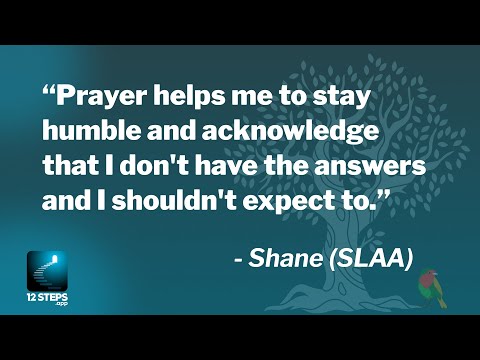
7. Humility: Accepting that we don’t have all the answers is liberating! Knowing we need others and sometimes feeling vulnerable opens up new pathways for support and connection with others.
8. Love: And I’m not just talking about romantic love here; self-love is vital for healing too! When you learn to care for yourself—like treating yourself as kindly as you’d treat a friend—it makes all the difference.
9. Responsibility: Owning your actions and their impact on others creates space for real change in your life—no blame games here! It’s powerful when you realize you’re in control of your choices.
10. Spirituality: This doesn’t mean religion; it’s about finding something bigger than yourself—whether that’s nature, art, or community—that connects you deeply to life itself.
11. Service: Helping others can be super healing too! When you give back or support someone else in their struggles, it often gives more meaning to your own challenges and experiences.
12. Growth: Finally, this step emphasizes continuous improvement—keeping an open mind and learning from every experience along the way helps maintain mental wellness over time.
So yeah, those steps aren’t just steps; they’re kind of like guidelines or principles helping many people find their way toward better mental health through connection with themselves and others around them. Think of them as tools in your toolkit—a way to build a healthier mindset while nurturing relationships along the way!
Healing isn’t linear though; there’ll be ups and downs for sure. But remember: each step takes time and requires patience with yourself as well as consistency! Just keep moving forward, even if it’s one small step at a time.
Exploring the Link Between Connection and Addiction: Debunking the Myths
Connecting with others is a fundamental part of being human. It feels good, right? But when it comes to addiction, the conversation can get a little tangled. There are a bunch of myths floating around about how connection and addiction relate to each other. So let’s break it down and take a closer look.
First off, it’s important to know that addiction and isolation often go hand in hand. People struggling with substance use tend to feel disconnected from others. They might push friends and family away or find themselves in environments that reinforce their habits. For example, someone may isolate themselves during a binge, even if they previously enjoyed socializing with friends.
Now, here’s where things get interesting. The idea that you can just form connections to overcome addiction isn’t always true. Sure, having supportive people around can help—but simply being connected isn’t enough for everyone. It’s about the quality of those connections. If your social circle isn’t supportive or positive, it’s not gonna do much for your recovery.
And then there’s the myth that people who are addicted lack willpower or moral failing—that they just need better friends to help them stop using substances! But that’s so oversimplifying it. Addiction is complex. Many factors come into play: genetics, environment, mental health—so many variables that weave together into an intricate tapestry.
So what does this mean for healing? Well, connecting with others who get what you’re going through—like in support groups—is super valuable. The SLAAD 12 Step Journey emphasizes this kind of connection. It provides space for sharing experiences and building relationships based on understanding and trust.
For instance, imagine someone sitting in a circle during group therapy—everyone taking turns sharing their stories of struggle and triumph. There’s something powerful about hearing “I’ve been there too.” It softens the edges of shame and fosters solidarity.
However—and this is key—not every connection is healthy or conducive to healing. A person could have lots of acquaintances but still feel lonely if those friendships don’t center around growth or shared experiences aimed at overcoming addiction.
Additionally, some folks think that finding “the right” friend will fix everything—like there’s some magical connection out there waiting to save them from themselves! That belief can lead to disappointment when things don’t work out as expected.
In reality, nurturing connections takes effort from both sides: you’ve got to be open and willing but also seek others who are on similar journeys toward recovery or self-improvement—instead of simply falling back into old patterns with familiar faces who may not understand your process.
In summary: Connection plays an essential role in dealing with addiction—but it isn’t one-size-fits-all! Quality over quantity matters more than anything else here. Look for genuine support rather than just trying to fill the silence.
Healing through connection often requires patience—both with yourself and others—and learning how to build connections rooted in support is an ongoing journey in itself! Remember: it’s okay if you stumble along the way; every step counts towards coming back stronger.
Understanding Sobriety in SLAA: Key Insights and Transformative Practices
Sobriety in SLAA, or Sex and Love Addicts Anonymous, can feel like a serious mountain to climb. You know, it’s not just about stopping certain behaviors; it’s about finding a whole new way to live.
Understanding Sobriety is more than simply abstaining from acting out. It’s about gaining a clearer picture of your emotions and relationships. Many people in SLAA might realize that their struggles are rooted in deeper emotional issues—like fear of abandonment or low self-esteem. So, sobriety is actually a journey towards self-discovery.
Now, let’s talk about the 12 Step process. The steps provide a framework for healing and transformation. Each step is like a little checkpoint where you can reflect on your life and choices. For instance, admitting you have a problem can be the first light bulb moment for many.
Key Insights from SLAA include:
- Connection is Crucial: Building connections with others who understand your struggles can really help. It creates a safe space where you can share without judgment.
- The Power of Vulnerability: Being open about your feelings and experiences allows for deeper connections with others.
- Acknowledge Triggers: Learning what triggers old behaviors is essential. Once you know those triggers, you can develop strategies to handle them better.
- Select Healthy Relationships: Surrounding yourself with supportive people makes recovery easier.
One powerful practice in SLAA is using sponsorship. A sponsor acts like a mentor who has walked this path before you. They offer guidance and accountability. Just imagine having someone to talk to who gets it—that’s pure gold when you’re feeling low.
Another transformative practice involves journaling. Writing down your thoughts helps clarify what you’re feeling and why. Sometimes when you put pen to paper, insights just flow out, helping you see patterns or problems that were previously hidden.
Your journey through sobriety isn’t always easy; there will be bumps along the way—days when everything feels tough as nails. But remember this: healing isn’t linear; it’s more like a rollercoaster with ups and downs!
In short, understanding sobriety in SLAA involves community support, personal introspection, and practical steps towards change. It’s all about peeling back those layers to find healthier ways to connect—with yourself first, then with others. Trust the process; each small step counts toward that big transformation!
You know, when you think about healing, it often feels like this huge, daunting task. Like climbing a mountain or something. But what if the secret was as simple as connecting with other people? That’s where the Slaa (Sex and Love Addicts Anonymous) 12-Step journey really shines. It’s all about building those connections to heal.
So take my friend Sarah, for example. She used to feel totally alone in her struggles with relationships. I remember sitting down with her one afternoon over coffee, and she opened up about how trapped she felt in this cycle of addiction to love and attention. It was breaking her heart—literally. But then she found Slaa and began working through the 12 Steps. And honestly? Watching her transform was incredible.
The first few steps are all about admitting there’s a problem and understanding that you can’t really do it alone. It’s like peeling off layers of an onion, finding out what’s underneath and dealing with those raw emotions head-on. During this process, Sarah started going to meetings where people just got it—no judgments, just empathy and shared stories of struggle.
What struck me most was how quickly these connections deepened. Each person in that room had their own battles but they shared the same goal: healing through honesty and support. They laughed together when things got better and cried when they faced setbacks—like a big weird family that knows your story without you even saying a word.
As Sarah moved through each step, she learned to open herself up more—not just to others but also to herself! She embraced vulnerability like a warm blanket instead of seeing it as some scary burden. That shift allowed her not only to connect with others but also to truly start loving herself, which is pretty powerful stuff.
By the end of her journey through Slaa, she had this whole community cheering her on. And even though healing isn’t always linear—some days were harder than others—she found strength in those connections every single time she stumbled.
It’s refreshing, right? To realize that sometimes healing isn’t all about solitary battles or trying to be strong on your own; it’s more about leaning on other people who get what you’re going through. It reminds us that we’re not walking this road alone—and honestly? That can make all the difference in the world. So if you’re ever feeling lost or isolated in your struggles, reaching out for connection might just be your first step toward healing too!