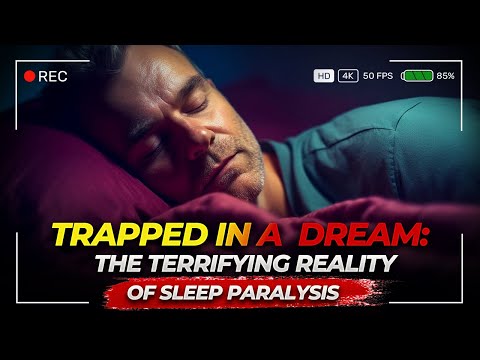
So, let’s chat about sleep paralysis, yeah? You know, that freaky thing where you wake up and can’t move?
It’s like being stuck between dreams and reality. Super unsettling stuff.
But what’s even wilder is how it messes with your head long after it happens. Like, seriously. It can take a toll on your mental health.
Ever had one of those nights where you felt trapped in your own body? You’re not alone. Let’s dig into the psychological side of it together!
Understanding Sleep Paralysis: Can It Be Life-Threatening?
Sure! Sleep paralysis can be pretty creepy, right? You’re awake but can’t move. You might even see or feel things that aren’t there. But, let’s break it down a bit more and see if it can really be dangerous—like life-threatening dangerous.
Basically, sleep paralysis happens when you wake up from REM sleep but your body doesn’t get the memo to wake up completely. During this stage, your brain is super active, and your body is temporarily paralyzed to prevent you from acting out your dreams. So, you’re caught in this weird limbo where you’re aware but can’t move. Yeah, it’s as unsettling as it sounds.
Now, about whether it’s life-threatening: Generally speaking, sleep paralysis isn’t dangerous in itself. It won’t kill you or anything like that. However, the psychological impact can definitely take a toll on your mental health over time. Imagine experiencing something so frightening while you’re half-asleep night after night—yikes! Many people report feelings of anxiety or dread after these episodes.
Let’s get into some key points:
- Experience of Fear: Most folks describe intense fear during an episode. You might feel an ominous presence or hear strange sounds. This can lead to anxiety about going to sleep.
- Sleep Disorders: People who have recurring sleep paralysis might also struggle with other sleep issues like narcolepsy or insomnia, which can compound those feelings of fear and anxiety.
- Long-term Effects: The fear of having another episode can actually lead to insomnia or increased stress levels. Over time, this can seriously affect your overall mental well-being.
There’s also something called the “vicious cycle.” If you start fearing sleep because of past episodes, that anxiety makes it harder for you to fall asleep—which might trigger more episodes down the line!
But hey! Just because it’s not physically dangerous doesn’t mean it should be brushed aside. Some people find therapy helpful; talking through these experiences can ease some of that mind-bending fear and help regain control over their sleep patterns.
You’re not alone if you’ve gone through this. Many people experience sleep paralysis at least once in their lives—it doesn’t mean there’s a problem with you; it’s just one of those weird quirks of how our brains work while we snooze.
So there you have it: while sleep paralysis itself isn’t life-threatening, the psychological impact could definitely affect your mental health if left unaddressed. If these episodes are messing with your peace of mind (or your Zzz’s), chatting with a mental health professional could really help lighten the load!
Understanding Sleep Paralysis: Unraveling the Mystery of the Sleep Paralysis Demon
Sleep paralysis can feel like something out of a horror movie. That’s when you’re caught between being awake and asleep, and you can’t move or speak. It’s as if your body just forgot how to function for a moment. This experience can be not only terrifying but also quite confusing, especially if you’re waking up to the sensation of being watched or attacked by something invisible.
Imagine this: you’re lying in bed, half-conscious. You’re aware of your surroundings, maybe even see the shadows in your room, but those pesky muscles won’t cooperate! You’re paralyzed, and fear sets in—sometimes so intensely that people report seeing a “demon” or dark figure looming over them. Sounds dramatic, right? Well, it feels even worse in the moment.
The thing is, let’s break it down a bit. During sleep paralysis, your brain is awake while your body is still asleep. This typically happens during REM sleep when most dreaming occurs. Your brain is busy processing emotions and experiences from the day while keeping you from physically acting out those dreams. So when you wake up but can’t move? It’s like your mind’s clock was just a little ahead of the rest of you.
So what makes this even more complicated? Sleep paralysis can have a serious impact on mental health! Here are some key points:
- Anxiety: The sheer terror felt during an episode can leave lasting anxiety about going to sleep again.
- Depression: Chronic episodes may lead to feelings of hopelessness or depression due to disturbed sleep patterns.
- Fear of Sleep: Some folks start fearing bedtime; they’d rather stay up late than face another night of paralysis.
It’s like this vicious cycle where fear leads to poor sleep, which then leads to more episodes. You follow me?
Now let’s talk about why some people experience this more than others. Stress and lack of sleep are major players here. Imagine pulling an all-nighter before a big exam—you’re more likely to wake up feeling groggy and maybe even facing an episode or two because your body didn’t get the rest it craved.
But there’s hope! Strategies exist for managing sleep paralysis episodes:
- Improving Sleep Hygiene: Keeping a regular sleep schedule through good habits can make a big difference!
- Reducing Stress: Finding ways to chill out during the day—like meditation or yoga—can help lessen those episodes too.
- Avoiding Stimulants: Cutting back on caffeine before bed can help with sleep quality.
In short, while sleep paralysis brings fear and confusion into night time slumber, understanding it better helps demystify what happens during those unsettling moments. If you’ve dealt with this yourself or know someone who has, just remember—you’re not alone in facing these surreal experiences. There are always ways to find peace with our nighttime narratives!
Understanding Sleep Paralysis: Its Impact on Mental Health and Wellbeing
Sleep paralysis can be really freaky, like something out of a horror movie. You’re awake but totally unable to move, and sometimes you might see or hear things that aren’t there. It’s a wild mix of fear and confusion, and it can have a serious impact on your mental health and overall wellbeing.
When it happens, your brain wakes up before your body does. During this time, you might feel pressure on your chest or experience hallucinations. This whole situation can leave you feeling anxious or scared about going to sleep again. The thing is, sleep paralysis isn’t just one bad night; it can become a recurring nightmare for some folks, which really messes with their minds.
Here are some feelings you might experience with sleep paralysis:
So, I know someone named Jake who used to have sleep paralysis regularly. At first, it felt like he was just having a rough night here or there. But then he started losing sleep over the fear of repeating the experience. He became anxious about bedtime—like clockwork he’d lie awake worrying about it all night long.
This anxiety turned into exhaustion during the day. Eventually, he found himself feeling hopeless—like he couldn’t escape this cycle. And that kind of mental strain? That’s no joke! It basically becomes a hurdle in daily life because you’re living in constant fear of something that seems out of your control.
But there’s good news! Many people manage their symptoms by focusing on better sleep hygiene like sticking to regular sleeping hours and reducing caffeine intake before bed. Some even find relief through therapy or meditation techniques that help calm their minds before hitting the hay.
For those dealing with these challenges:
Honestly, understanding sleep paralysis is key. Knowing what’s going on when you’re paralyzed in bed helps reduce its power over you and gives you tools to cope better with whatever pops up at night.
Ah, sleep paralysis. I mean, if you’ve experienced it, you know how terrifying it can be. You’re lying there, half awake, and suddenly you can’t move. Some folks even feel pressure on their chest or see strange shadows lurking in the corners of their room. It’s a real trip and honestly, it sticks with you.
So, let’s chat about how this whole experience messes with your head. If you find yourself waking up paralyzed more often than not, that fear starts creeping in. You might start to dread going to sleep at night because who wants to deal with that again? It can be exhausting—like constantly walking on eggshells. When I had my first episode in college, man, I remember waking up feeling like a weight was pressing down on me. The next few nights? Sleepless and anxious.
Now think about this: when your nights are filled with fear and restlessness, it can totally mess with your mental health during the day too. Anxiety levels go up because you’re worried about it happening again; depression could kick in from lack of sleep or feeling trapped in your own body. It’s like a nasty cycle—you know? And that cycle can lead to real-life struggles like trouble focusing at work or avoiding friends because you’re just too tired or overwhelmed.
Plus, there’s this layer of stigma around sleep paralysis. Sometimes people don’t talk about it much; they might feel embarrassed or think they’ll be judged as “overdramatic.” But when folks keep these experiences bottled up inside without support or understanding from others, that isolation can also weigh heavily on mental health.
Let’s not forget the science side of things either! Sleep paralysis is often linked to irregular sleep patterns and disorders like narcolepsy. If you’re not getting enough quality Z’s—or if you’re stressed out—your brain might decide to throw a sleep paralysis party while you’re just trying to catch some shut-eye! So really addressing those underlying issues becomes super important.
So what do we do? There are ways to deal with the psychological toll, whether it’s through therapy or talking openly about having these kinds of experiences—because seriously, you’re not alone! Learning relaxation techniques and good sleep hygiene can go a long way too.
At the end of the day, recognizing how something as seemingly innocuous as sleeping—or not sleeping—can shape our mental landscape is crucial for getting through this tricky patch of life together!