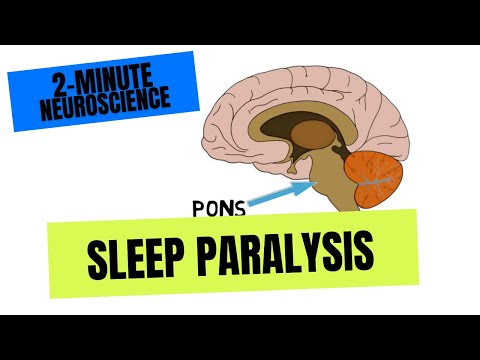
You know that weird feeling when you wake up and can’t move? It’s like your body forgot it’s supposed to cooperate with your brain. You just lay there, wide-eyed, totally frozen.
That’s sleep paralysis for you. A super freaky experience that leaves you feeling trapped, vulnerable, and maybe a bit terrified.
But what’s even wilder are the psychological effects that come tagging along for the ride. It can mess with your head long after you finally break free.
So let’s chat about this creepy phenomenon—what causes it and how it messes with our mental game. Sound good?
Unraveling Sleep Paralysis: Exploring the Psychological Causes Behind This Mysterious Phenomenon
Sleep paralysis can feel like a scene from a horror movie. You wake up, but you can’t move. Your mind is wide awake, racing with thoughts, but your body feels heavy and unresponsive. This experience can be terrifying, and let me tell you, you’re not alone in feeling this way.
So, what causes this strange phenomenon? Well, it often happens during transitions between sleep and wakefulness. When your body is supposed to be paralyzed during REM (Rapid Eye Movement) sleep—a stage where dreaming occurs—sometimes it doesn’t fully switch back on when you wake up. The scary part? Your brain is awake while your body remains in that paralyzed state.
But why does this happen? There are several psychological factors that play into sleep paralysis:
Now let’s talk about the emotional side of this whole experience. Imagine waking up unable to move while feeling an overwhelming sensation of dread or pressure on your chest—it’s no wonder people find sleep paralysis so distressing! Many describe seeing figures in their room while they’re stuck there; that’s the brain trying to make sense of what’s happening and sometimes getting a little creative.
It’s important to understand that these episodes can vary from person to person. Some might experience it just once or twice in their life; others might face it frequently—which only adds to those feelings of anxiety about going to bed at night.
Connecting the dots here: if you’re dealing with high stress, irregular sleep patterns, or an underlying disorder like narcolepsy, addressing those issues head-on may help lessen the frequency of these terrifying experiences.
Managing overall mental health plays a key role too. Finding healthy coping mechanisms for stress—like mindfulness meditation or talking things out with someone who understands—can help make those nights feel less daunting.
In summary: Sleep paralysis isn’t just some random spooky occurrence; it’s deeply tied into our mental state and overall health. If it’s affecting you much more than you’d like it to, reaching out for support from a professional might be the next best step on your journey toward restful nights!
Understanding Sleep Paralysis: Why It Can Be Scary and How to Cope
Sleep paralysis, man, it’s one of those things that can really mess with your head. You’re lying there in bed, fully aware of everything around you, but unable to move a single muscle. It can feel straight-up terrifying. And the wild part? The majority of people experience it at least once in their lives. So what’s going on here?
When you drift into sleep, your brain goes through several stages. In one of these stages, called REM (that’s Rapid Eye Movement), your brain is super active. This is also when dreaming happens. To keep you from acting out those dreams—like running away from that giant spider—you have a natural mechanism that temporarily paralyzes most of your muscles. Funny how our body protects us but can also freak us out.
Some folks experience sleep paralysis when they wake up or fall asleep while still in this REM stage. You might feel pressure on your chest or see things that aren’t really there—like shadows lurking in the corners of your room! Scary stuff, right? It doesn’t help that fear can amplify these experiences.
In terms of psychological effects, it’s not just about the fear during the episode itself; it can leave lasting anxiety for some people. They may start to dread going to sleep, worried about facing another bout of paralysis. This anxiety can lead to insomnia, which is not a fun cycle to be caught up in.
So how do you cope with this creepy phenomenon? There are definitely some strategies worth trying:
- Practice good sleep hygiene—basically, make sure you’re getting enough quality sleep.
- Avoid caffeine and heavy meals before bedtime; they can mess with your sleep cycle.
- Try sleeping on your side instead of your back; it might help reduce occurrences.
- Keep a regular sleep schedule; go to bed and wake up around the same time every day.
- Relaxation techniques like meditation or deep breathing before bed can calm your mind.
And if this keeps happening and it really bothers you, chatting with a mental health professional might be helpful too. They can help identify any underlying issues like stress or anxiety that could be contributing.
So yeah, while sleep paralysis is spooky and unsettling—it’s actually more common than most think! Just remember that it usually passes quickly and doesn’t pose any real danger. With some coping strategies under your belt, hopefully you’ll find some peace when it’s time to hit the hay again!
Exploring Sleep Paralysis: Is It Possible to Open Your Eyes?
Sleep paralysis can be a bit of a nightmare, right? One moment you’re dreaming, and the next, your body’s frozen. You can’t move, you can’t speak, and if that’s not enough, sometimes people even see strange figures or feel pressure on their chest. It’s tough. So, let’s dig into this weird experience.
First off, sleep paralysis usually happens when you’re transitioning between sleep and wakefulness. You might know that feeling when you’re just about to drift off but suddenly snap back awake? Yeah, that.
Now, when it comes to opening your eyes during sleep paralysis, there’s some debate about it. Some folks report being able to open their eyes but not move their bodies. While others feel like they’re wide awake yet still trapped in this immovable state. Basically, your mind wakes up before your body does; it’s like your brain forgot to tell your muscles to kick back into gear.
Why does this happen? Well, it often links to the REM stage of sleep—when dreaming occurs—and during this phase, your brain sends signals that temporarily paralyze most of your skeletal muscles. This is meant to stop you from acting out your dreams. Crazy stuff! But if you wake up during this phase without the muscles switching back on? Yup, you got it—sleep paralysis.
The psychological effects can be significant too. Many experience intense fear and anxiety during these episodes. Imagine realizing you can’t move while also feeling there’s something sinister lurking nearby! It can lead to ongoing anxiety about sleeping or even develop into conditions like insomnia or panic disorders over time.
And let’s not forget the myths swirling around sleep paralysis; some think it’s linked to supernatural experiences or even alien encounters! But the reality is much less thrilling—it’s rooted in our biology and brain function.
Understanding what’s happening in those moments makes all the difference for many people. Knowing that it’s a common experience can ease some fears.
If sleep paralysis is something you deal with frequently? Consulting a mental health professional or a sleep specialist might help you find strategies for reducing its occurrence or managing anxiety around sleeping.
In short: Sleep paralysis is unsettling and disorienting but remember—you’re not alone in it! If it helps shed light on things at all: most people will experience this at least once in their lives.
So, you know how sometimes you wake up and can’t move? Just laying there like a statue while your brain’s all fired up? That’s sleep paralysis, and it can be pretty freaky. It feels like you’re wide awake, but your body hasn’t quite caught up yet. You want to yell or move, but nothing happens. It’s like being trapped in your own body, which is honestly a nightmare.
One time I experienced this after staying up late during finals week. I was so exhausted but also stressed out about exams. Suddenly, I could hear my roommate moving around the room, yet I felt completely frozen. Panic set in as I tried to scream or at least shake myself awake, but nothing worked. It felt like I was stuck in some weird horror movie scene! When it finally stopped, I bolted upright and could hardly catch my breath.
Now, the psychological effects of this experience can be pretty intense. For many people who deal with sleep paralysis regularly—like those who may have anxiety or other mental health issues—it can lead to even more anxiety about going to sleep. The fear of getting stuck again makes it hard to relax at night, which just adds to the cycle of stress and sleeplessness.
And here’s the kicker: during these episodes, people often report seeing or feeling a presence in the room—like someone is watching them or even sitting on their chest! This can create feelings of dread that linger long after they wake up. Imagine waking up feeling terrified every time you doze off!
People usually think it’s just a weird phase of sleep that only happens once in a while—but for some folks, it becomes a frequent occurrence linked with mental health struggles like depression or chronic stress. So really, it’s not just about waking up unable to move; it touches deeper issues surrounding anxiety and fear of losing control.
If you’re ever in that situation—hearing noises or feeling pressure—and freaking out? You’re not alone! It’s important to know that talking about these experiences and working on managing stress might help ease some pressure off your mind—and your sleep!