You know those nights when you’re drifting off to sleep and suddenly find yourself in the weirdest situations? Like, maybe you’re flying or chatting with your childhood pet? Seriously, dreams can be so bizarre!
But what’s going on in our heads while we snooze? There’s actually a ton of psychology behind sleep states. It’s wild how much our subconscious is working when we’re not even aware of it.
Ever woken up feeling like you just went on an epic adventure, only to realize it was all in your head? That’s the power of dreaming! There’s so much more to sleep than just shutting our eyes and zoning out.
So let’s unpack this whole thing together. We’ll dive into what happens to our minds at night, why we dream what we do, and how it all ties into our waking lives. Sound good?
Understanding the 5 Stages of Sleep Psychology: A Comprehensive Guide to Better Rest
Understanding the five stages of sleep psychology can really help you get better rest. Sleep is super important for your mental and physical health, so it’s worth knowing how it all works.
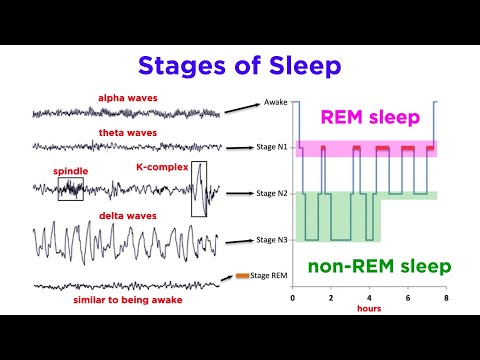
Stage 1: NREM Sleep
This is like the lightest stage of sleep. You might feel drowsy or just about to drift off. It usually lasts just a few minutes. Your muscles relax, your breathing slows, and your brain waves start to slow down too. If someone were to wake you up during this stage, you’d probably feel a bit groggy but not completely out of it.
Stage 2: NREM Sleep
Now you’ve settled in a bit more. This stage can last around 20 minutes and makes up about half of your night’s sleep. Your heart rate drops, and your body temperature decreases too. It’s like your system is getting ready to hit deeper sleep levels. Ever notice how sometimes you drift off on the couch while watching TV? That’s probably Stage 1 or 2.
Stage 3: NREM Sleep
Here we go into deep sleep territory! This stage is crucial for feeling rested and rejuvenated when you wake up. Your body does a lot of repair work during this time—like healing tissues and building bone and muscle. It’s harder to wake someone up now compared to earlier stages; if you do, they might feel seriously out of sorts for a while.
Stage 4: REM Sleep
Now this is where things get interesting! About 90 minutes into your sleep cycle, you enter REM (Rapid Eye Movement) sleep, which is associated with dreams—hence the connection to «Awake in Dreams.» Your eyes dart back and forth under your eyelids, which is super wild! This stage plays a huge role in memory consolidation and creativity. So if you’re dreaming about flying or having conversations with random people? That’s likely REM kicking in!
The Cycle Repeats
After hitting REM sleep, you cycle back through these stages several times throughout the night—usually around four to six cycles depending on how much shut-eye you’re getting. Each complete cycle lasts about 90 minutes.
In understanding these stages, it becomes clear why good sleep hygiene matters so much! If you’re tossing and turning or not giving yourself enough time to move through all these stages properly, well that could lead to feelings of fatigue or anxiety during the day.
So next time you’re really struggling to catch those z’s or dealing with a restless night, remember these stages are playing out constantly while you snooze away! By taking care of your sleep environment—like keeping it dark, cool, and quiet—you can help ensure that each stage gets its due time so you wake up feeling like a champ!
Exploring Lucid Dreaming: What It Means to Be Awake in Your Dreams
Lucid dreaming is a fascinating experience where you find yourself *aware* that you’re dreaming while still in the dream itself. Imagine floating through a surreal world, and suddenly it hits you: “Hey, I’m dreaming!” That moment is so cool because it opens up a whole new level of experiences you can explore while you’re, well, asleep.
When it comes to understanding lucid dreams, the psychology behind sleep states plays a big role. During the different stages of sleep, your brain behaves differently. You’ve got REM (Rapid Eye Movement) sleep—the stage where most vivid dreams happen. In this phase, your brain is super active. That’s why it’s easier to become aware of your dreams when you’re in REM.
But how do you actually get to lucid dreaming? Well, here are some common techniques:
- Reality checks: Throughout your day, ask yourself if you’re dreaming. Pinch your nose and try to breathe through it or look at a clock—do the numbers make sense?
- Dream journaling: Writing down your dreams as soon as you wake up helps improve dream recall and can train your mind to recognize when you’re dreaming.
- MILD technique: Before going to sleep, tell yourself that you’ll know when you’re dreaming. This intention-setting can be powerful.
Lucid dreaming isn’t just about flying or dodging monsters; it can also help with problem-solving or creativity. Many artists and inventors claim they’ve found inspiration in their dreams! Some even argue that practicing skills in a lucid dream could enhance real-world performance.
Of course, there’s also a psychological angle here. Your emotions play a big role in how vivid and memorable these dreams are. If you’re stressed or anxious, for instance, that can impact your dream state and might even lead to less enjoyable experiences.
It’s kind of wild thinking about the intersection of consciousness and sleep states. Sometimes people wonder if being aware in their dreams helps them confront fears or traumas without being blocked by reality’s limitations. For many folks who’ve tried it out—like my friend Jake—it became an amazing tool for self-discovery.
Jake told me once how he confronted his fear of public speaking during one of his lucid dreams – he practiced giving a presentation with an audience that cheered him on! He woke up feeling more confident for his real-life speaking engagements.
So yeah, exploring lucid dreaming opens up this whole landscape of possibilities. Whether for fun or personal growth, being “awake” in your dreams definitely seems like an intriguing journey worth taking!
Understanding the ‘Awake’ Stage: Insights into Sleep Cycle Phases and Their Impact on Mental Health
The «awake» stage of sleep, or the part where you’re more alert and conscious, is really interesting when you talk about sleep cycles and mental health. You know how you feel sometimes after a good night’s sleep? Well, that’s because of these different stages your body goes through! There’s a whole rhythm of “light sleep,” “deep sleep,” and “REM” (that’s when most dreaming happens), but let’s focus on that awake phase.
When you first drift off, your brain starts in light sleep. You might not even realize you’re in it at first. As you move through the cycle, after about 90 minutes, you hit deep sleep. This part is crucial for feeling rested. But then comes REM sleep, where dreams happen and your brain is super active—almost like it’s wide awake.
Now here’s the kicker: **the way your body moves between these stages can really affect your mental health**. Missing out on deep or REM sleep can lead to feelings of anxiety or depression. For example, if you wake up frequently during the night or don’t spend enough time in these crucial phases, you might feel groggy and irritable when you’re finally awake.
And here’s something to think about: people who have trouble sleeping often report feeling down or stressed during the day. It’s like a vicious cycle—you can’t focus because you didn’t get enough rest, so then anxiety kicks in over work or other life stuff. So if you’ve been waking up feeling like a zombie instead of refreshed, it could be connected to those interrupted stages of sleep.
Also, when we talk about being «awake» in dreams—yes! That whole lucid dreaming thing—isn’t just cool; it’s also tied into how aware your brain is during those REM phases. Some folks even use lucid dreaming as a way to tackle their fears while they’re snoozing! It sounds kind of wild but think about it: if you can control your dreams, maybe it changes how you deal with stress in real life.
In summary:
- Awake stage is key for feeling alert and focused.
- The sleep cycle includes light sleep, deep sleep, and REM.
- Lack of deep/REM sleep can worsen mental health issues.
- Being aware in dreams (lucid dreaming) may help with stress management.
So remember! Taking care of your sleep isn’t just about not being tired—it plays a massive role in keeping our minds healthy too! Making small changes to improve your rest might really change how you feel during those awake hours!
You know, sleep is such a funky thing. One minute, you’re just drifting off into dreamland, and the next, you might actually feel awake but still be stuck in that dream state. It’s like your brain’s throwing some wild party that you’re not even fully aware of.
I remember one night, I had this vivid dream where I was back in high school. Everything felt so real—the smell of the cafeteria food, the clamor of students rushing to class, even that annoying bell going off! But then I realized something felt off. I could tell I was dreaming and somehow became aware of it. It’s like flipping a switch. I was awake in my dream! That moment freaked me out and excited me all at once.
This whole “awake in dreams” thing is pretty interesting on a psychological level. There’s this concept called lucid dreaming where you’re conscious during your dreams and can actually control them. It’s like getting behind the wheel while your subconscious takes you for a ride! Researchers say this happens during REM (Rapid Eye Movement) sleep when our brain activity is super high, almost like we’re awake but our bodies are all cozy asleep.
But here’s a twist: not everyone can do it easily. Some might spend tons of time practicing reality checks or keeping dream journals to get there. And then there are those who haven’t even heard of it until they stumble across it online—like me back then.
You come across different sleep states too—there’s deep sleep, light sleep, and REM sleep, each playing its role in how rested we feel when we wake up. When you think about feeling groggy after waking up from a long nap versus feeling refreshed from a solid night’s sleep? It’s all about cycles.
And honestly? Understanding these different states helps demystify why you sometimes feel emotionally charged after a dream or why certain dreams stick with you all day long. The dreams can reflect things we’re grappling with or even just random thoughts spliced together by our brains like some quirky movie director.
So yeah—sleep isn’t just this boring break we take from being awake; it’s this rich tapestry woven with our subconscious thoughts and feelings that have real implications for our mental health and creativity too! Next time you wake up after an intense or bizarre dream, just remember: there’s so much more going on behind the scenes than we realize!