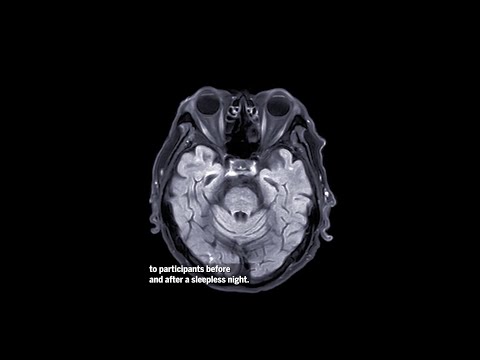
Hey! Let’s talk about something we all know too well—sleep deprivation.
You’ve been there, right? Tossing and turning, staring at the ceiling while everyone else is peacefully dreaming. It sucks.
But what if I told you that losing sleep might be, like, a controversial way to deal with depression? Sounds wild, huh?
Some folks swear by it. Others think it’s nuts. So, let’s dig into this blurry area where sleep and mental health collide. Buckle up!
Understanding the Gold Standard Treatments for Resistant Depression: A Comprehensive Guide
Resistant depression can be a tough nut to crack. You know, it’s that feeling when you’ve tried a bunch of treatments, but things just aren’t getting better. One controversial approach that’s popped up in conversations is **sleep deprivation**. Sounds wild, right? But stay with me; it actually does have some backing.
Sleep deprivation isn’t about pulling all-nighters for fun. Instead, it’s used in a careful way under medical supervision. The idea is to limit sleep for a short time, typically by keeping someone awake, for one night or so. The next day can bring some relief from depressive symptoms—like hitting a reset button on your brain.
But here’s the catch: It doesn’t work for everyone! And the effects can be temporary. A person might feel great the next day, but then return to their usual struggles after catching up on sleep. That’s why understanding your individual situation is key.
Now let’s talk about some **gold standard treatments** that people usually consider alongside or instead of sleep deprivation:
- Cognitive Behavioral Therapy (CBT): This type of talk therapy focuses on changing negative thought patterns that contribute to depression.
- Medications: Antidepressants like SSRIs and SNRIs are common first-line treatments, but they might not always do the trick.
- Electroconvulsive Therapy (ECT): This method involves sending small electrical currents through the brain while you’re under anesthesia; it can be very effective for severe depression.
- Transcranial Magnetic Stimulation (TMS): A newer option that uses magnetic fields to stimulate nerve cells in the brain—non-invasive and promising.
- Ketamine Treatment: Originally an anesthetic, ketamine has been shown to have fast-acting antidepressant effects for some people.
Each treatment has its pros and cons. For example, while ECT can work wonders for resistant cases, it also comes with side effects like memory loss. Medications require patience as they often take weeks to kick in and find the right one is sometimes trial-and-error.
It’s important not to throw everything at resistant depression at once! Teaming up with a healthcare provider who understands your unique experience makes all the difference. They’ll guide you through options so you feel supported rather than overwhelmed.
So yeah, while sleep deprivation might sound like an oddball tactic in treating resistant depression, it’s just one piece of a much bigger puzzle. The goal is always to find what clicks best for you!
Exploring Vyvanse: Can It Effectively Treat Depression?
So, let’s chat about Vyvanse and its connection to depression treatment. Now, you might be wondering, “What’s the deal with this medication?” Well, Vyvanse is primarily known as a treatment for ADHD, but some folks have been looking into its effects on depression.
First off, Vyvanse is a stimulant medication. It’s mainly used to help those with Attention Deficit Hyperactivity Disorder focus better. The thing about stimulants is they can sometimes give your mood a little boost too. So, it makes sense that some researchers have thought about using it for treating depression.
Now, how does this work? When you take Vyvanse, it increases certain chemicals in your brain like dopamine and norepinephrine. These are linked to mood regulation. Think of dopamine as that feel-good chemical: when it’s up, you might feel more motivated and less down in the dumps.
But here’s where things get tricky. Not every doctor is sold on using it for depression—especially when we consider the risks and side effects involved. For instance:
- Possible increased anxiety: Some people might experience heightened anxiety when taking stimulants.
- Insomnia: Given that it’s a stimulant, if you’re already struggling with sleep issues (hello insomnia!), this could make things worse.
- Addiction risk: There’s always a chance of misuse with stimulant medications.
Now let me tell you about Barbara—she’s one of my friends who struggled with severe depression after losing her job. After lots of trial and error with traditional antidepressants that left her feeling like a zombie, her doctor suggested trying Vyvanse because she also had trouble concentrating. At first, she felt more alert and engaged in life again; however, she later discovered her anxiety spiked during those weeks on the medication.
That said, there **are** ongoing studies examining Vyvanse’s role in treating major depressive disorder (MDD), especially as an adjunct therapy alongside traditional antidepressants or therapy. This means it may not be the main course but more like an interesting side dish that works well together.
It’s important to remember that everyone’s brain chemistry is different. What works wonders for one person could totally flop for someone else. If you’re considering this route or know someone who is—even just out of curiosity—definitely chat with a healthcare professional first!
In summary? While there are potential benefits to using Vyvanse for depression treatment due to its stimulating effects on mood-enhancing brain chemicals, it’s not without its risks and might not work for everyone. Keeping an open dialogue with your doctor can really help figure out what path makes the most sense for you or someone close to you dealing with these challenges.
Exploring the Paradox: Why Sleep Deprivation Might Boost Your Happiness
Sleep deprivation and happiness might seem like two sides of the same coin, right? I mean, we all know that lack of sleep can make you feel cranky and out of whack. But here’s the twist: some studies and experts suggest that short-term sleep deprivation could actually *boost* your mood or help with depression. It sounds a bit wacky, but let’s unpack this together.
First off, when you’re sleep-deprived, your brain gets a little funky. It can lead to alterations in neurotransmitter levels, especially serotonin and dopamine. These are like the party planners in your brain for feelings of happiness and pleasure. When you mess with your sleep schedule, these chemicals can get a kick into action for some people—almost like a mini-mental reset! So, while you might be yawning during the day, your brain is experiencing a little high-five moment.
Now, it’s not all sunshine and rainbows. The effects of sleep deprivation vary from person to person. Some folks report feeling euphoric after missing a night’s sleep, while others find themselves spiraling into anxiety or irritability. The balance—or lack thereof—can create what feels like an emotional roller coaster. Flexible responses to this phenomenon really highlight how different our brains are!
Also, think about this: when people stay up late chatting or hanging out with friends, they often feel happier the next day—even if they’re tired! Social interactions during those hours can release endorphins which are known as “feel-good hormones.” It’s heartwarming stuff—laughter shared over midnight snacks can ignite feelings of connection that brighten up anyone’s mood.
It’s worth mentioning too that sleep deprivation has been looked at in therapeutic contexts for treating depression. Some therapists suggest controlled periods without sleep as part of treatment plans for serious cases—it’s almost like hitting refresh on your mental state. But don’t go pulling all-nighters just yet! This isn’t a blanket recommendation; it’s mostly experimental and should definitely be handled under professional guidance.
Here are some key points to keep in mind:
- Brain Chemistry: Sleep affects neurotransmitters linked to happiness.
- Individual Variation: Reactions to sleep loss differ greatly among people.
- Social Connection: Late-night hangouts can boost mood despite tiredness.
- Cautious Approach: Sleep deprivation as therapy is experimental; professional guidance is vital.
Remember my friend who decided to pull an all-nighter before finals? Totally reckless decision but he felt strangely good the next day! He was buzzing from studying with buddies all night long—and honestly probably wouldn’t recommend it again if you asked him now.
So yeah—the paradox here leads us down interesting paths regarding how our minds work under stress or irregular conditions. Just keep in mind: while some might find temporary joy in lost Zs, consistency is really where true happiness lives! Getting solid rest ultimately supports emotional stability and well-being—you know?
You know, sleep deprivation as a treatment for depression is one of those things that really makes you raise an eyebrow. I mean, who in their right mind would think making someone lose sleep could actually help with something as heavy as depression? But the thing is, some people swear by it. It’s like there’s this tiny corner of psychology that whispers, “Hey, let’s take away your sleep and see what happens.”
I was chatting with a friend recently who had been dealing with depression for a while. She had tried therapy, medication—you name it—but nothing seemed to stick. One day, she mentioned this weird method where her therapist suggested she stay up all night once a week. I couldn’t believe it! You’d think sleep would be the first thing you’d want more of when you’re feeling low.
So why does this even work for some folks? Well, there’s research suggesting that depriving yourself of sleep can actually lift your mood temporarily. It seems to have something to do with resetting your brain chemistry or sparking certain neurotransmitters that help you feel a bit better—at least in the short term. But here’s the kicker: it’s not like that benefits last long-term. Plus, let’s be honest, feeling groggy and cranky from lack of sleep isn’t exactly ideal.
It reminds me of one time I tried pulling an all-nighter to finish a project back in college. Sure, I got my work done (barely), but I was a mess the next day—grumpy and totally out of it. And if you’re already battling depression? That sounds like setting yourself up for disaster.
The debate around this method is pretty heated too. Some experts argue it’s dangerous and could lead to more harm than good in terms of mental health. Others say it might be worth trying for some individuals under close supervision. It feels like walking on a tightrope—one misstep could send you tumbling down into deeper struggles with mental health.
So at the end of the day, maybe it’s about finding what works best for you personally? Everyone’s experience with depression is different; what might help one person could send another further down the rabbit hole. You just gotta keep looking for what truly helps—and remember to prioritize good ol’ regular sleep when you can!