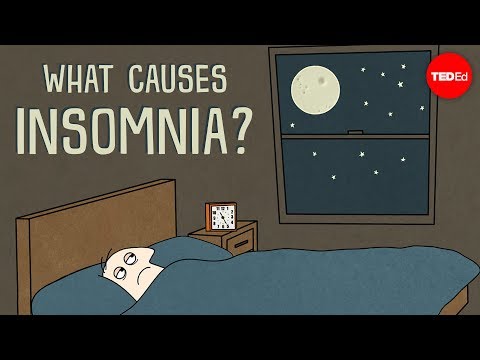
You know that feeling when you just can’t seem to fall asleep?
Like, you’re lying in bed, staring at the ceiling, and counting sheep feels like a bad joke.
It’s frustrating, right?
Sleep is supposed to be this natural thing we do, but for some reason, it can turn into an epic battle.
And honestly, it can mess with your head.
So what’s going on in our brains when sleep becomes this weird struggle?
Let’s dig into the psychology behind it. You might just find some answers—and maybe even a little relief.
Understanding the Psychological Impact of Sleep Disorders on Mental Health
When you think about sleep, you might picture cozy blankets and sweet dreams. But for many people, it’s a different story. Sleep disorders can mess with your ability to catch those Zs, and that struggle? It can hit your mental health hard.
First off, let’s get into what sleep disorders really are. They range from insomnia, where you just can’t fall asleep or stay asleep, to sleep apnea, which actually stops your breathing for short periods while you’re snoozing. The statistics are pretty wild: over 70 million Americans deal with some type of sleep issue! It’s not just being tired; it really impacts how we feel and function.
Now, how does this tie into mental health? Well, think about it like this: when you’re not getting enough shut-eye, it’s like living life through a foggy lens. Your mood takes a hit. You could feel cranky or anxious. If you’ve ever had a restless night before an important day, you know how that can throw everything off!
Here’s the thing: chronic sleep deprivation is connected to all sorts of mental health issues. Anxiety disorders? They love to crash the party when you’re running on empty. Depression? Oh man, it often tags along too. Basically, your brain craves rest to regulate emotions and thoughts effectively.
But wait—there’s more! It’s also a two-way street. That means if you’re struggling with anxiety or depression, it can give rise to sleep problems too! So it becomes this vicious cycle where poor sleep worsens mental health conditions while mental health issues keep you from sleeping well.
Let me paint a picture for you: Imagine someone named Sarah who just can’t seem to get a good night’s rest because of her racing thoughts about work and life pressures. She feels overwhelmed during the day, like she’s trudging through molasses at every turn. This lack of quality sleep makes her feel isolated and contributes to feelings of hopelessness—like she’s stuck in quicksand.
On top of that, sleep disturbances like nightmares or waking up throughout the night can add even more stress during the day—making everything feel heavy and unmanageable.
There are ways to tackle these challenges though! Therapy can help sort through those racing thoughts so they don’t keep you up at night. Cognitive Behavioral Therapy (CBT), especially designed for insomnia (CBT-I), is super effective because it addresses both the thought patterns that mess with sleep as well as behavioral changes that promote better rest.
And if medication comes into play? Well then it’s often prescribed cautiously since some meds used for anxiety or depression can have side effects on sleep patterns too.
So basically—if you’re feeling off because your sleep isn’t doing what it should be doing? You’re not alone in this struggle! Recognizing the connection between your mind and your nightly adventures (or lack thereof) is key in finding ways to improve both your sleep quality and overall mental well-being. Remember that taking steps toward better sleep could make a big difference in how you feel mentally each day!
Understanding Sleep Paralysis: The Psychology Behind This Chilling Experience
Sleep paralysis can feel like you’re in a nightmare while you’re wide awake. One moment, you’re drifting off, then suddenly you feel this weight on your chest. You can’t move, can’t scream, but you’re totally aware of your surroundings. It’s that creepy feeling when you’re caught in between sleep and wakefulness.
So, what’s actually happening? Basically, during sleep, we go through different stages. When we dream, especially in REM (that’s rapid eye movement) sleep, our body goes into a kind of protective mode. It paralyzes most of our muscles so we don’t act out our dreams. Sometimes though, your mind wakes up before the body catches up. That’s when sleep paralysis hits.
Now let’s break this down a bit more:
- Awareness and Fear: When you wake up but can’t move or speak, it can lead to intense feelings of fear and helplessness. You might even see or feel a presence in the room with you; that’s pretty common.
- Hallucinations: People often experience hallucinations during this episode—like seeing shadows or feeling pressure on their bodies. This feels all too real when you’re half-awake.
- Anxiety and Stress: If you’re dealing with anxiety or stress in your life, this can make sleep paralysis more likely. It’s like your brain is already on high alert due to daily worries.
- Sleep Disorders: Conditions like narcolepsy are linked to recurrent sleep paralysis episodes. If you’re not getting enough quality sleep or have an irregular sleeping pattern, that could trigger it too.
And hey, it’s not just a lonely ordeal—lots of people experience it! A friend once told me about her terrifying encounter with it one late night after pulling an all-nighter for work. She woke up unable to move while feeling this heavy weight on her chest and hearing whispers around her! That fear was palpable for her.
But here’s the thing: even if it’s frightening in the moment, sleep paralysis isn’t usually dangerous physically—just emotionally intense! Many folks learn techniques to cope with it; things like staying calm during an episode or even trying to wiggle their toes as a way to break free.
Also important is understanding the psychological toll it can take over time. Repeated experiences can lead folks to develop anxiety around sleeping itself—like they’re scared to fall asleep because they don’t want another episode.
If this is happening often, chatting with a mental health professional might be helpful because they get how trauma and anxiety impact our lives—and our sleep cycles too! They’re there to help guide you through whatever’s going on.
In summary: Sleep paralysis feels horrible but understanding what’s going on can help ease that horror just a bit. Knowing why it’s happening and connecting with others who’ve felt the same can be really validating as well—it helps remind you that you’re not alone in facing those chilling moments between dreams and reality.
The Impact of Sleep on Mental Health: Understanding the Connection Between Rest and Psychology
Sleep and mental health, oh man, that’s a big one! You know how when you don’t get enough sleep, everything feels harder? Like, your brain just doesn’t want to cooperate? Well, that’s because there’s a seriously strong connection between how we catch those Zs and our mental wellbeing. Let’s break it down a bit.
Sleep deprivation can lead to mood swings. When you’re running on empty, it’s so easy to overreact or feel down. You might snap at a friend over something small or feel like you’re stuck in a funk. Seriously, I’ve been there. It’s like your emotional gas tank is on E.
Then there’s the issue of anxiety and depression. Research shows that people who suffer from insomnia are more likely to deal with anxiety disorders and depression. You might think it’s just because they’re tired and cranky, but it’s deeper than that. Lack of sleep messes with your brain’s chemistry! That means not getting enough shut-eye can really amplify those feelings of worry or sadness.
Now let’s talk about cognitive function. Sleep is like the maintenance crew for your brain. When you snooze, your brain processes information and helps store memories. So if you’re not sleeping well, don’t be surprised if you’re struggling to remember things or if you’re feeling forgetful all the time.
Another thing worth mentioning is the relationship between sleep disorders and mental health. Conditions like insomnia or sleep apnea can create a vicious cycle. Poor sleep leads to stress and anxiety—and then that stress makes it even harder to get quality rest! It’s like being stuck in a hamster wheel of exhaustion and frustration.
On the flip side, improving your sleep can help lift your spirits! Focusing on good bedtime habits—like sticking to a routine—is key here. What works for some may not work for others but finding what helps you wind down is super important.
Now don’t forget about lifestyle factors! Things like diet, screen time before bed, and caffeine intake can really change the game when it comes to how well you sleep. Cutting back on late-night snacks or putting down your phone an hour before bed could do wonders.
In summary:
- Lack of sleep can cause mood swings.
- Insomnia correlates with increased anxiety and depression.
- Poor rest affects cognitive function negatively.
- A cycle often forms between poor sleep and mental health issues.
- Enhancing sleep habits can improve overall mood!
- Lifestyle factors impact sleep quality significantly.
So yeah, next time you’re feeling off-kilter emotionally or mentally drained, check in on how much quality shut-eye you’re getting! It might surprise you how much it affects everything else in life.
You know, there’s that moment when you’re lying in bed, staring at the ceiling like it’s the universe’s toughest puzzle, and sleep just won’t come. It feels so frustrating, right? Like, you’ve tried all the tricks—counting sheep, deep breathing, maybe even scrolling your phone for hours. But the more you want to sleep, the more elusive it seems.
So what’s going on there? Well, sleep isn’t just about closing your eyes and drifting off. It’s a whole process tied up in our brains and emotions. Stress is like this sneaky monster that sneaks in and messes with our sleep patterns. You’ve probably had nights where your mind races with worries about work or relationships or even just what you forgot to do that day. It’s like your brain is having an all-night party while you’re dying to get some rest.
Then there’s anxiety. Oh boy! That little gremlin can keep you awake longer than any amount of caffeine ever could. When you’re feeling anxious, your body’s on high alert—a little too alert for bedtime if you catch my drift. And suddenly that cozy bed feels more like a battleground than a sanctuary.
I remember a friend of mine who went through this really intense period where sleep was practically a luxury she couldn’t afford. She’d toss and turn for hours over every little detail in her life; it was heartbreaking to see how exhausted she became over time. Even after catching a few Zs, she’d wake up feeling like she’d run a marathon in her dreams!
You see, when sleep becomes a struggle, it’s often a sign that something deeper might be going on—be it stress, anxiety, or even some unresolved emotional stuff poking its head above the surface. Our brains are complicated machines with lots of levers and buttons; sometimes they get stuck or jammed up when we need them the most.
The thing is: it’s okay to seek help when this happens. Talking about it can really lighten the load—even if it’s just venting to a friend who gets what you’re going through! So if those sleepless nights start piling up and you’re feeling lost in that fight against insomnia, think about reaching out for some guidance or support.
Because at the end of the day? Everyone deserves good sleep—like some cozy blanket wrap-up kind of good! Remember that it’s not just you out there grappling with this issue; countless people are in this same boat trying to steer their way back to peaceful slumber. So hang in there!