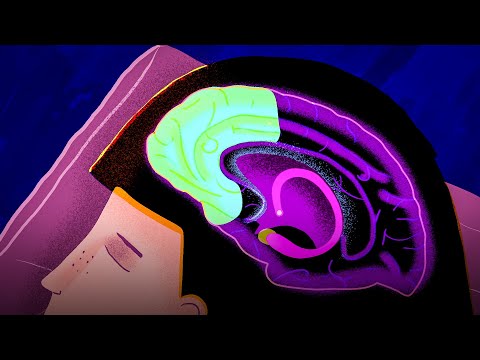
You know that feeling when you just can’t catch a wink? Maybe you’ve tossed and turned or stared at the ceiling, wondering when sleep will finally come. It’s super frustrating, right? But here’s the kicker: those sleepless nights can mess with your head more than you realize.
Sleep isn’t just a time to recharge; it’s like a reset button for your brain. Seriously! When you’re not getting enough shut-eye, your mood can plummet, and it might even spark anxiety or depression. Yeah, it’s that serious.
Let’s chat about how all this works. Because understanding the psychology of sleep can be a game changer for your mental health. So grab a snack or something, ‘cause we’re diving into why sleep matters way more than you might think!
Understanding the Psychological Symptoms Linked to Sleep Deprivation
So, let’s talk about sleep deprivation and how it messes with your mind. You know, when you don’t get enough shut-eye? It might just seem like an annoyance, but trust me; it’s got some serious psychological effects.
First off, lack of sleep can lead to mood swings. You might feel irritable or on edge. Imagine waking up after a bad night’s sleep and snapping at your friend over something small. Like, they didn’t even do anything wrong! That’s your brain being out of whack due to insufficient rest.
Then there’s the whole problem with focus and concentration. Ever tried reading a book when you’re dead tired? Your mind wanders off every couple of sentences. Sleep deprivation makes it hard for your brain to process information and pay attention. This can be frustrating in school or at work when you’re trying to meet deadlines.
- Anxiety levels can rise. Lack of sleep is like putting your anxiety on steroids. You might feel more overwhelmed by stressors that normally wouldn’t phase you.
- Memory issues are another bummer. When you’re sleep-deprived, remembering things gets tricky. It’s like trying to recall where you left your keys while swimming through a foggy mental maze.
- Even creativity takes a hit. If you’re an artist or someone who thrives on brainstorming ideas, low sleep can leave you feeling uninspired.
And guess what? Sleep deprivation is also tied to more serious psychological conditions. Studies show that it can exacerbate things like depression or bipolar disorder. If someone’s already dealing with those issues, adding sleepless nights into the mix can seriously complicate things.
Let’s not forget about hallucinations. Yeah, I know—it sounds dramatic! But really, extreme lack of sleep can cause you to see things that aren’t there or have thoughts that feel totally out of place. It’s kind of scary when you realize how fragile the mind is when you’re running low on z’s.
To wrap it all up—sleep isn’t just about resting your body; it’s essential for keeping your mind in check too. So next time you’re tempted to binge those late-night shows instead of catching some Z’s, remember: a good night’s sleep isn’t just about feeling rested; it’s about keeping your head right!
Understanding the 5 Stages of Sleep Psychology: A Guide to Better Rest and Mental Wellness
Sleep is one of those things most people take for granted, but it turns out, it’s super important for your mental health. You ever had one of those nights where you barely slept? The next day can feel like a total slog, right? That’s because when we don’t get enough rest, our brains don’t function as well. Let’s talk about the five stages of sleep and how they affect your mood and overall wellness.
The sleep cycle consists of several stages that repeat during the night. Each stage serves a different purpose, so understanding them can help you get better rest and improve your mental health.
First off, there are two broad categories: NREM (Non-Rapid Eye Movement) and REM (Rapid Eye Movement). NREM sleep is split into three stages: light sleep, deep sleep, and the transitional phase. Then there’s REM sleep, where dreams happen!
Stage 1: This is like the “dozing off” stage. You’re basically drifting in and out of consciousness. It lasts just a few minutes but sets you up for deeper stages. You might feel like you’re falling—ever experience that weird little jolt?
Stage 2: Here’s where your heart rate slows down and your body temperature drops. You start to settle into actual sleep. This stage typically makes up about half of your total sleep time.
Stage 3: Now we’re getting serious! This is deep sleep, which is crucial for feeling refreshed. Your body does its healing here—like repairing muscles and building bones—and it’s also key for cognitive functions like memory consolidation.
REM Sleep: This usually arrives after about 90 minutes of slumbering away. Here’s where dreaming happens! Your brain becomes more active—almost like it’s awake—but your muscles are paralyzed to stop you from acting out those dreams (thank goodness!). REM plays a big role in processing emotions.
So why does all this matter? Well, if you’re skimping on any of these stages, it messes with your mental health big time! For example, not getting enough REM may lead to irritability or anxiety because that’s when our minds sort through emotions.
You know what I mean? Like when you wake up after a rough night? Things just seem harder to handle than they should be! And if you’re constantly missing out on these vital stages due to stress or irregular schedules? It’s no surprise that people experience issues like depression or anxiety.
And here’s the kicker: Your lifestyle choices heavily influence how well you progress through these stages. Poor diet, lack of exercise, and too much screen time before bed can really throw everything off balance.
So how do you ensure you’re hitting all these stages properly? Establishing a calming bedtime routine could work wonders—think reading or meditation instead of scrolling through social media till dawn! Consistency goes a long way too; try to hit the sack at roughly the same time every night.
When it comes down to it, understanding these five stages isn’t just geeky science stuff; it could help in making sure you’re fully recharged each day both physically and mentally! A good night’s rest isn’t just luxury; it’s essential for navigating life more smoothly.
In short: Listen to your body! Prioritize good sleep habits so you can enjoy life without feeling weighed down by exhaustion or mood swings. What works for someone else may not work for you—but figuring out how best to support those five stages could open up a whole new world of wellness!
Understanding the Psychology of Sleep: Unraveling the Mind’s Connection to Rest
Sleep, right? It’s one of those things we all know we need, but it’s easy to overlook how crucial it is for our mental health. Seriously, the connection between sleep and psychology is a big deal. When your body gets enough rest, your brain can function better. But when you’re tossing and turning, or struggling to catch those Zs, well, things can get messy.
So, what happens when you don’t sleep well? For starters, your mood takes a hit. You might find yourself more irritable and less able to handle stress. Imagine waking up grumpy after a night of bad sleep—like coffee just won’t cut it! It’s like being stuck in a fog where everything feels more overwhelming.
Now, let’s dig into how this whole sleep-psychology relationship works. There are a few key points to consider:
- Cognitive Function: Sleep helps with memory and focus. Ever tried studying after a bad night? Yeah, not fun.
- Emotional Regulation: Good sleep helps you manage your emotions better. When you’re well-rested, it’s easier to cope with ups and downs.
- Anxiety and Depression: Poor sleep can exacerbate these issues. Think of it as a vicious cycle—you can’t sleep because your mind’s racing about life stuff.
- Physical Health: Sleep affects everything from heart health to immune function. Your body needs time to recharge.
So why do we struggle with sleep sometimes? Well, stress plays a massive role here. Picture this: you’re lying in bed worrying about work deadlines or relationship issues—it’s no wonder you can’t drift off! And if you’re constantly checking your phone before bed (guilty!), that blue light can mess with your melatonin levels too.
Getting into some good habits can help reset your sleep schedule. You might want to consider creating a wind-down routine each night—like reading or listening to music—to signal to your brain that it’s time for bed.
Another thing to think about is the **sleep environment** itself. If you’ve got bright lights or noisy neighbors keeping you awake, it’s tough for anyone’s mental health.Turning down those distractions can make a big difference.
And let’s not forget dreams; they play their own role in processing emotions and experiences too! Sometimes dreams are weirdly vivid and other times they’re just plain bizarre—either way, they’re part of that daily mental housekeeping we all need.
In short, when we understand the psychology of sleep and its effects on mental health, we start seeing just how important it really is. Sleep isn’t just downtime; it’s essential for emotional balance and cognitive function—noticing patterns in how we feel based on our rest can be eye-opening.
Next time you wake up feeling cranky or unfocused, take a moment to check in on your recent sleep habits—you might find the connection clearer than ever!
Sleep, you know? It’s one of those things we all swear we need more of, yet many of us just can’t seem to catch enough Z’s. I remember a time when I was juggling work, social life, and trying to stay awake in that 8 AM lecture. My bed felt like a distant dream… ironic, right? There’s this nagging sense of exhaustion that creeps in when we don’t prioritize sleep. And it turns out that lack of sleep isn’t just grumpy mornings; it actually messes with our mental health.
So what gives? When you’re short on sleep, your brain doesn’t function as well as it should. Think about it: ever tried decision-making or problem-solving when you were running on empty? You can barely focus on what’s for dinner, let alone tackle something complex at work or school. Studies have shown that poor sleep can ramp up feelings of anxiety and depression too. It’s like your brain gets this old rusty gear stuck in a loop.
The cycle is real. Stress keeps you up at night, then that lack of rest makes the stress feel even heavier the next day. It’s almost like a vicious little carousel spinning faster and faster until you just want to hop off. And let’s be honest—insomnia can feel isolating. Those long nights spent staring at the ceiling while everyone else seems to be living their best rested lives can really sting.
But there’s good news! Prioritizing sleep might be easier than you think. Setting a routine is one solid step—getting into bed around the same time each night invites your body to chill out and adjust its natural clock (seriously, it works!). Also, consider tossing aside those screens before bed; they’ve got this sneaky way of tricking your mind into thinking it’s still daytime.
And hey, if you’re still feeling trapped in this endless cycle after some tweaks here and there, reaching out for support isn’t weak—it’s smart! Therapists can help unravel what’s underneath those sleepless nights.
Anyway, whether it’s grabbing some extra shut-eye or exploring more about why we sleep in the first place, understanding this connection between sleep and mental health may just make your days brighter—and maybe help with those pesky sleepless nights too!