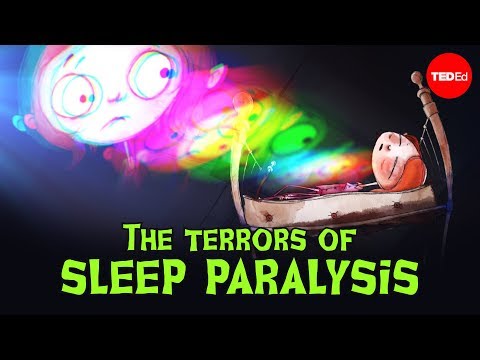
You ever wake up and feel like you can’t move? Like, your eyes are wide open, but your body’s just not cooperating? That’s sleep paralysis for ya. It can feel super eerie, right?
Now, imagine tossing a little drinking into the mix. Yeah, that can complicate things. You might wonder, how does booze mess with our sleep patterns?
Trust me, there’s a lot to unpack here. This isn’t just about creepy vibes; it’s about how our brains handle stress and sleep. So grab a drink—preferably non-alcoholic if you’re feeling brave—and let’s break it down together.
Understanding Sleep Paralysis: Is It a Psychological Condition?
Sleep paralysis can be a creepy experience, can’t it? You wake up, feeling awake but completely frozen. You can’t move or even speak, and sometimes there’s this overwhelming sense of dread or the feeling of someone watching you. It’s unsettling, to say the least. So, is it just a psychological thing or something more? Let’s break it down.
First off, sleep paralysis happens during transitions between sleep stages. It usually occurs when you’re falling asleep or waking up. You know, when your brain is all groggy and still kind of dreaming? During those moments, your body might stay in a sleep state while your mind wakes up. This disconnect can lead to that terrifying experience where you’re aware but can’t move.
Now, the psychological aspect comes into play because stress and anxiety can heighten these episodes. When you’re stressed out or dealing with heavy emotions, your sleep quality changes. You might end up having irregular sleep patterns which can trigger more instances of sleep paralysis.
But hang on a sec—there’s also a link between sleep deprivation and these episodes. If you’re not getting enough Zs because of work stress or late-night binge-watching (we’ve all been there), your body might just be more prone to shutting down in funky ways like this.
And then there’s alcohol consumption—yeah, that sneaky culprit. Drinking can seriously mess with your REM cycle, which is when most dreaming happens and where sleep paralysis tends to sneak in. If you’re hitting the bottle often or going hard one night and crashing afterward, you could find yourself waking up paralyzed more frequently.
You see where I’m going with this? Sleep paralysis isn’t just about spooky feelings; it’s very much tied to both psychological factors and physical health as well.
People have reported having vivid hallucinations during these episodes too; they might see shapes or feel pressure on their chest—classic signs that make things scarier than they need to be! That often stems from high anxiety levels, especially if you’ve already been feeling rattled for some time.
And how about treatment? While it’s not harmful per se, frequent occurrences may warrant some professional help. Therapies focused on stress reduction or cognitive behavioral therapy (CBT) can help manage the anxiety that leads up to these situations.
So yeah, next time you hear someone mention sleep paralysis as purely a spooky story, remind them it’s got layers—both psychological and maybe a bit physical too! Just don’t forget: taking care of your mental health is vital for better nights’ sleeps ahead!
Understanding Sleep Paralysis: Freud’s Insights and Theories Explained
Sleep paralysis can feel like you’re stuck between two worlds, right? You’re awake, but you can’t move. People often report a sense of fear or even hallucinations during these episodes. It’s pretty wild how common it is, affecting a lot of folks at some point in their lives.
Now, Freud had some intriguing ideas about sleep and the unconscious mind. He believed that dreams and unconscious desires could shape our waking life. When it comes to sleep paralysis, he thought it might be connected to the struggles between desire and repression. Basically, in those moments when you’re paralyzed, your mind might be wrestling with hidden fears or frustrations.
So how does drinking tie into all this? Well, alcohol can mess with your sleep cycle. It typically makes you drift off quicker but disrupts the deeper stages of sleep later on. That means if you’ve had a few drinks before bed, you might find yourself more prone to experiencing sleep disturbances like **sleep paralysis**.
Here’s what’s going on under the surface:
- Disrupted Sleep Patterns: Alcohol interferes with REM sleep, which is the stage where most dreaming—and perhaps most nightmares—occurs.
- Heightened Anxiety: Drinking can increase anxiety levels after the buzz wears off, leading to heightened feelings of fear during paralysis episodes.
- Sleep Disorders: If someone suffers from issues like insomnia or narcolepsy (which can already cause confusion between wakefulness and sleep), drinking may exacerbate these issues.
Think about that moment just before you wake up but can’t move—it’s like your body forgot how to react when your mind starts screaming for help! Many people describe feeling a presence in the room with them or hearing strange noises. Freud would say these experiences relate back to our innermost fears being played out while our conscious self is temporarily shut down.
To make things more relatable: imagine you’ve just watched a really scary movie before bed and then had some wine. As you drift into sleep, your mind spins stories from that movie together with any unresolved stressors from your day—your boyfriend who forgot your anniversary, maybe? The combination could create a perfect storm for an intense episode of **sleep paralysis**.
It doesn’t help that society often stigmatizes mental health struggles and those weird experiences at night. People may feel embarrassed sharing their stories about panic during these moments when they were completely vulnerable; it can feel isolating.
So here’s where understanding all this comes full circle—a mix of Freud’s insights into desire and repression combined with our modern knowledge about sleep disruption can shed light on why we experience these freaky episodes after a few too many drinks or amidst high anxiety periods in life.
Takeaways? Sleep paralysis isn’t just about waking up unable to move—it’s layered with psychological components that tie back to deeper thoughts and feelings we might not even realize are there!
Exploring the Connection Between Sleep Paralysis and Trauma: What You Need to Know
Sleep paralysis can feel like a scene straight out of a horror movie. You wake up, unable to move, maybe you see or sense some creepy figure in your room, and it’s, like, totally terrifying. But what if I told you there’s often a deeper connection between this unsettling experience and trauma? Let’s break it down.
What is Sleep Paralysis?
Okay, so sleep paralysis happens when you wake up during REM sleep but your body doesn’t follow suit. Normally, during REM—a stage where we dream—our brain sends signals to paralyze our muscles so we don’t act out our dreams. When that disconnect happens, boom! You’re awake but immobile.
But here’s where the drama kicks in: many people who experience sleep paralysis report feelings of fear and pressure on their chest. It can be pretty distressing.
The Trauma Connection
Many studies suggest that there’s a link between traumatic experiences and sleep paralysis episodes. Think about it: trauma can mess with your sleep in all sorts of ways—from nightmares to insomnia. With all that emotional upheaval going on in your head, it makes sense that your sleep patterns would also go haywire.
Now, not every instance of sleep paralysis is caused by trauma; other factors come into play too. But if you’ve faced something really hard—like losing a loved one or experiencing abuse—your body might react through disturbances while you sleep.
Imagine Sarah, who went through a messy breakup. On top of the heartache, she struggled with anxiety about her future. Whenever she had an episode of sleep paralysis, she felt like those old feelings rushed back to her—fear and helplessness all over again.
Alcohol’s Role
Now let’s talk about drinking because it’s relevant here too. Many folks turn to alcohol as a coping mechanism for stress or trauma. While it might seem like an escape at first, alcohol can actually mess with your sleep cycle big time.
When you drink before bed:
Like Tom found out the hard way after his last night out: he thought drinks would help him relax after work stress; instead he woke up frozen in the middle of his apartment at 3 AM for three nights straight!
Coping Strategies
So what can you do? It might help to focus on managing stress and trauma head-on rather than numbing it with substances like alcohol. Here are some things you may want to try:
The bottom line here is that exploring the connection between **sleep paralysis** and **trauma** opens up a path to better understanding what you’re experiencing—and maybe finding ways to ease those nighttime terrors once and for all.
So yeah, if you’re dealing with both trauma and frequent episodes of this freaky phenomenon called sleep paralysis? It’s definitely worth diving into those feelings instead of just hoping they’ll magically go away while you’re frozen at night!
Okay, so let’s chat about something that can be pretty eerie—sleep paralysis. You know, that terrifying waking nightmare where you can’t move, and it feels like someone’s sitting on your chest or maybe even whispering in your ear? Yeah, not fun. And then there’s this idea that drinking can somehow play into all of this. So let’s break it down a bit.
First off, sleep paralysis often happens when you’re stuck between sleeping and waking. Your mind is alert, but your body is still snoozing. It can feel super real and totally freaky. I remember the first time I experienced it—it was like my brain was wide awake while my body was in a complete lockdown mode. I thought I was dreaming until I couldn’t shake the feeling of panic creeping in.
Now, when we throw alcohol into the mix, things get interesting. Drinking might mess with your sleep patterns and how deep you actually rest at night. You know how after a few drinks you might feel sleepy? Sure, but it doesn’t mean you’re getting quality sleep—that deep REM stuff where dreams happen and your brain gets a good cleanse after all that day’s info.
Some studies hint that people who drink heavily could be more prone to sleep disorders, including sleep paralysis. The theory is that alcohol disrupts REM sleep cycles and that makes your brain less effective at managing those transitions between being awake and asleep.
But here’s the kicker: everybody’s experience is different! Some folks might find they have more trouble with sleep paralysis after drinking while others might not notice any change at all. It really varies from person to person—like how some people get super chatty when they drink while others become quiet observers.
The psychological angle here? Well, anxiety plays a massive role in both sleep paralysis and our relationship with alcohol. If you’re stressed or anxious about something in life—and let’s be honest, who isn’t sometimes?—it can heighten those feelings during episodes of sleep paralysis. On the flip side, some people turn to drinking as a way to cope with that anxiety or stress—which could lead to even more problems down the road.
So yeah, if you’re dealing with these experiences—or you know someone who is—it might be worth thinking about how drinking affects their sleep patterns or their mental state overall. Just remember: getting good quality rest is super important for keeping our minds healthy! And if you ever find yourself frozen in bed one night? Just breathe through it; eventually it’ll pass!