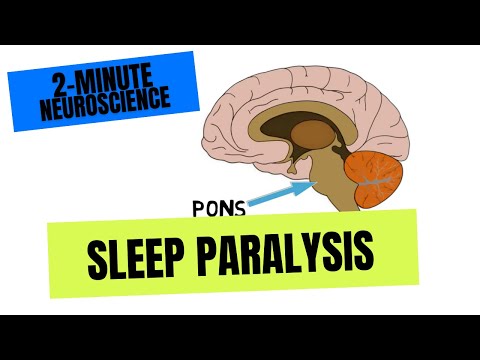
You ever wake up and feel like you can’t move? It’s like your body just hit «pause,» but your mind is wide awake. That weird, creepy feeling is actually called sleep paralysis.
Imagine lying there, heart racing, unable to scream or wiggle a finger. It’s like being trapped in your own body. Pretty unsettling, right?
Well, folks have been experiencing this for ages. Some even say they’ve seen shadows or felt a weight on their chest. It’s wild and honestly scary.
So let’s chat about what sleep paralysis does to our minds—because it’s not just about those freaky moments in bed. There’s a lot more at play here than you might think!
Overcoming Sleep Paralysis: Effective Strategies to Break Free from Episodes
Sleep paralysis can be a pretty scary experience, huh? You’re in that weird zone between wakefulness and sleep, and your body just won’t move! You might feel this heaviness on your chest, and sometimes you even see or hear things that aren’t there. It can leave you feeling really unsettled afterward. Let’s chat about some effective strategies to help break free from those episodes and deal with the psychological effects.
First off, it’s crucial to understand what sleep paralysis really is. Basically, it happens when you wake up before your REM sleep ends. Your brain wakes up, but your body stays in that sleepy mode. The psychological effects can be intense—it might make you feel anxious or fearful about going to sleep again.
Here are some ways to help manage and possibly overcome those pesky sleep paralysis episodes:
- Improve Your Sleep Hygiene: Make sure you’re getting enough good quality sleep. Go to bed at the same time every night and create a cozy sleeping environment.
- Avoid Stress: High stress levels can increase the likelihood of experiencing sleep paralysis. Incorporate some relaxation techniques into your daily routine like yoga or meditation.
- Change Your Sleep Position: Many people report that sleeping on their back triggers sleep paralysis episodes. Try sleeping on your side instead—your body might just thank you!
- Limit Substance Use: Alcohol and recreational drugs can mess with your sleep patterns and REM cycles. Try cutting back if you’re noticing more episodes.
- Pace Yourself with Naps: While napping is fine, long daytime naps or napping too late in the day can disrupt nighttime patterns. Keep them short!
Also, have someone close to you know what’s going on? This can help take away some of that fear associated with these experiences. Sharing your feelings about it can lighten the emotional toll they take.
And here’s something interesting—think about keeping a dream journal! Write down experiences related to sleep paralysis or even regular dreams right when you wake up. This not only helps recognize patterns but also lets you process any lingering emotions tied to those experiences.
Remember that talking to a mental health professional could also be beneficial if these episodes seriously impact your life or mental well-being. They might suggest therapies like cognitive-behavioral therapy (CBT), which focuses on changing negative thought patterns around these experiences.
So yeah, while dealing with sleep paralysis isn’t fun by any means, recognizing what triggers it and applying some of these strategies can definitely help make things a bit easier for you!
Understanding Sleep Paralysis: What is the Average Age of Onset?
Sleep paralysis, huh? It’s one of those weird things that can really mess with your head, like you’re caught between waking up and still dreaming. And when we talk about the average age of onset, there are some interesting points to dig into.
First off, sleep paralysis usually kicks in during late adolescence to early adulthood. Most people first experience it between the ages of **14 and 30**. However, this doesn’t mean younger kids or older folks can’t have it; it’s just that the sweet spot for most seems to be around those teenage years.
Why does it hit then? Well, adolescence is a time when your body goes through a ton of changes—hormonal shifts, stress from school, and social dynamics can all play a part. You know how sometimes you just don’t sleep well during those years? That’s one factor. Add in irregular sleep patterns or bad sleep hygiene, and you’ve got a recipe for trouble.
But here’s something important: while many folks have their first experience during that age range, sleep paralysis isn’t exclusively an adolescent thing. Some people might not experience it until their late twenties or thirties. Stressful life events or changes in sleeping conditions can trigger episodes later in life too.
Now let’s talk about psychological effects. Imagine waking up and being unable to move. It’s terrifying! A lot of people describe feeling pressure on their chest or even seeing shadowy figures closing in on them. This can lead to anxiety about sleeping and may even create a cycle where fear disrupts your rest more and more.
So what’s common among those who experience sleep paralysis?
- High-stress levels: School pressures or work issues can pile on the anxiety.
- Irregular sleep schedules: You know those nights when you pull an all-nighter? Yeah, that can totally mess things up.
- Sleep disorders: Conditions like narcolepsy often come hand-in-hand with these experiences.
- Family history: If someone in your family has had it, you’re more likely to deal with it yourself.
It’s really fascinating how our minds work while we’re asleep—and how stress manifests itself at such vulnerable times! So if you ever find yourself feeling paralyzed by fear during those moments when you’re half-asleep, remember: you’re not alone. Many have walked this path before—and as unsettling as it is now, understanding what’s happening could help ease some of that anxiety in the long run.
Understanding Sleep Paralysis: Is It a Psychotic Episode or Something Else?
Sleep paralysis can be, like, seriously scary. You wake up, and you can’t move. You feel this weight on your chest—or something eerie in the room. It’s the kind of experience that makes your heart race and shakes your belief in what’s real. So, is it just a weird thing our brains do? Or is it more like a psychotic episode? Let’s break it down.
First off, sleep paralysis happens during the transition between sleep and wakefulness. Imagine you’re dreaming—everything feels real—and then suddenly you’re awake but can’t move. That’s when the panic often kicks in.
What exactly causes this? It usually comes from disrupted sleep patterns. Not enough rest, sleep disorders like narcolepsy, or even just sleeping on your back can trigger these episodes. Stress and anxiety might also play a role; if you’re feeling overwhelmed, guess what? Your chances of experiencing sleep paralysis might spike.
Now, let’s talk about the *psychotic episode* angle. Some people might think they’re having hallucinations when they experience sleep paralysis since they often see or hear things that aren’t actually there. This can feel really intense—imagine feeling someone sitting on your chest or hearing strange whispers in the dark! But here’s the kicker: these experiences are more related to how our brains process fear while we’re half-asleep rather than a full-blown psychotic break.
Really, sleep paralysis is classified as a parasomnia, which is basically just a fancy word for unusual behaviors during sleep. It can involve changes in mental state but isn’t considered a sign of mental illness or psychosis itself.
People who deal with sleep paralysis often report feeling helpless or frightened during an episode—but they usually return to normal pretty quickly once they can move again.
So what about treatment? While there isn’t a one-size-fits-all solution, improving your overall sleep hygiene can help reduce occurrences. Here are some basic tips:
Sleep paralysis doesn’t define you, and knowing what it is makes a world of difference! It helps to remember that while these episodes are unsettling, they don’t indicate something wrong with your mental health..
In short? Sleep paralysis may feel intense and frightening but understanding it really matters—it’s not psychosis; it’s just one of those wild tricks our minds can play while we catch some Z’s!
Sleep paralysis—ugh, it can be super unsettling, can’t it? You know that feeling when you’re kinda awake but totally trapped in your own body? That’s sleep paralysis. You might have experienced it or heard someone describe it, and it’s just… well, terrifying. Sometimes it’s accompanied by vivid hallucinations that seem all too real.
Imagine lying there, completely frozen. Your heart’s racing, you can’t scream or even move a finger. It’s like a horror movie playing out in your own head, only you’re living it! A friend of mine told me about her experience. She woke up one night and felt this heavy weight on her chest. She saw this shadowy figure looming over her. Seriously, she thought she was in the middle of a nightmare! Finally, after what felt like forever, she snapped out of it—only to realize nothing was really there.
The thing is, sleep paralysis isn’t just about the freaky episodes; it can leave some pretty intense psychological effects behind. For starters, there’s often this lingering fear of going to sleep again. Can you blame someone for being apprehensive? It’s not just scary during the attack; the anxiety can hang around long after.
People dealing with frequent episodes might start avoiding sleep altogether or feel constantly exhausted during the day because they’re scared to close their eyes at night. Anxiety levels may shoot up too—like a domino effect as they worry about getting trapped again or experiencing more nightmares.
And get this: studies show that those who experience sleep paralysis are often more prone to anxiety disorders or depression than others. So if you’ve been through something like this regularly or know someone who has, it’s no surprise they might be feeling off for a while afterward.
Honestly though, understanding what’s happening during sleep paralysis can help a ton! Realizing it’s related to how your brain transitions between wakefulness and sleep—not some supernatural force—can ease some of that fear and anxiety gripping you tight.
So if you ever find yourself caught in one of those mind-bending moments where reality feels skewed and your body just won’t budge? Remember: You’re not alone; many people have been there before—and there’s hope for better nights ahead!