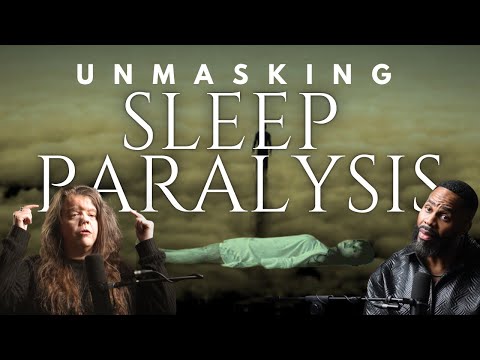
So, let’s talk about sleep paralysis. Sounds spooky, right? You wake up, can’t move a muscle, and feel like there’s someone—or something—just watching you.
It’s more common than you think! Lots of people have experienced it. But here’s the kicker: some folks believe it’s got some psychological significance, especially in religious texts like the Bible.
I mean, can you imagine waking up frozen like that in a time when monsters were real? Or when people thought every little thing was a message from God? Makes you wonder how they connected the dots back then.
Honestly, it’s a wild mix of science and spirituality. So let’s dig into this tangled web together!
Understanding the Spiritual Significance of Sleep Paralysis in Christianity
Sleep paralysis can be pretty freaky, right? You wake up, or at least you think you do, but you can’t move. It’s like your body forgot how to listen to you for a moment. Now, if you’re coming from a Christian perspective, some might see this as having a deeper spiritual meaning. Let’s break it down a bit.
First off, in many religious contexts, sleep paralysis has been linked to spiritual experiences. Some may interpret these episodes as encounters with the divine or even darker entities. You might have heard people say they felt a presence in the room during those moments when they’re stuck. That’s where the spiritual lens comes into play.
There’s also an idea that sleep paralysis might relate to the struggle between good and evil. In Christianity, this can reflect the spiritual warfare described in Scriptures—like fights against unseen forces. Think of biblical stories where light battles darkness; it resonates with this feeling of being trapped while something else looms nearby.
Now, let’s talk about how Christians view dreams and sleep in general. The Bible often emphasizes dreams as messages from God. So, for some folks experiencing sleep paralysis, there’s this thought that their spirit might be receiving crucial insights during these episodes. It’s like your subconscious trying to tell you something significant—maybe even urging you to seek prayer or reflection.
In religious communities, many also share anecdotes about prayer helping them through such experiences. They feel more protected when they surround themselves with positive energy and biblical teachings. It kind of makes sense: if your faith is strong, it could ease those unsettling feelings during sleep issues.
But here’s something interesting—scientifically speaking, sleep paralysis isn’t necessarily tied to any specific belief system! It happens when your brain wakes up but your body is still asleep during REM (rapid eye movement) sleep. The muscles are basically on lockdown while dreaming happens. That being said, whatever feelings come up during an episode are often influenced by personal beliefs and cultural backgrounds.
So if you’re experiencing sleep paralysis and feeling that it has spiritual significance for you or ties back to your faith in Christianity, talk about those feelings! Share them with someone who gets it—a friend or someone from your church community can really help make sense of it all.
In summary:
- The experience can feel like a struggle between good and evil.
- Some see these occurrences as divine messages.
- Prayer and positive energy may provide comfort.
- Scientific reasons explain the physical process behind it.
So whether you’re approaching this as just another weird thing that happens during sleep or as something more profound tied to your faith—know you’re not alone in navigating those eerie moments!
Understanding the Biblical Prayer for Overcoming Sleep Paralysis: A Spiritual Approach
Sleep paralysis is one of those weird experiences that’s both scary and fascinating. You feel like you’re awake, but you can’t move. It’s like your body is frozen while your mind is racing. In many cultures, including spiritual traditions, sleep paralysis has been interpreted in various ways. Some people see it as a spiritual experience or a sign from a higher power, and others view it through psychological lenses as a natural phenomenon.
When we think about the **Biblical approach to overcoming sleep paralysis**, prayer comes into play. Prayer can provide comfort and strength during troubling times, which might help someone dealing with sleep paralysis. The Bible emphasizes the power of prayer for protection and guidance. For instance, Psalm 4:8 says, “In peace I will lie down and sleep, for you alone, O Lord, make me dwell in safety.” This illustrates how turning to faith can help foster a sense of safety and calm.
Many believe that focusing on prayer during episodes of sleep paralysis can shift one’s mindset. Here are some key points to think about:
An example of how this might work is seen in personal stories shared by individuals who experienced sleep paralysis intertwined with their faith journey. One person mentioned that during a particularly frightening episode, they began reciting verses from Psalms aloud in their mind until they felt anchored again.
In addition to prayerful practices, it’s important to recognize some common psychological aspects connected to sleep paralysis itself. Stress and anxiety are significant culprits—like when you’re super overwhelmed at work or personally troubled by something heavy weighing on your heart.
Since sleep issues often intertwine with our emotional worlds, managing stress through holistic approaches—like regular exercise or mindfulness—can also be beneficial alongside spiritual methods.
Ultimately, facing sleep paralysis through prayer isn’t just about seeking divine intervention; it’s about finding solace when fear strikes during those unpredictable moments at night. It’s combining both spiritual beliefs and practical psychology for overall wellness!
Understanding Sleep Paralysis: The Psychological Factors Behind This Disturbing Experience
Sleep paralysis can be really freaky, right? Imagine waking up but feeling totally stuck. You can’t move or speak, and sometimes there’s this terrifying weight on your chest. It might sound like something out of a horror movie, but it’s more common than you think.
Firstly, let’s talk about what sleep paralysis actually is. It happens when you wake up while your body is still in the **REM** (Rapid Eye Movement) sleep stage. In REM sleep, your brain is super active, creating vivid dreams while your body is basically paralyzed—this prevents you from acting out your dreams. When you wake up but that paralysis hangs around for a bit, you’d get what we call sleep paralysis.
Now, the psychological factors at play here can be pretty intriguing. Stress and anxiety often pop up as key players in this odd phenomenon. If you’re going through a rough patch—maybe dealing with work stress or personal issues—your chances of experiencing sleep paralysis can increase too. It’s like your mind and body are in a tug-of-war.
Some researchers also suggest that **sleep deprivation** can heighten these occurrences. The less rest you get, the more likely you’ll have weird sleep experiences. Think about that time you pulled an all-nighter or had a bout of insomnia—those kinds of disruptions can mess with your sleep cycles.
Another factor is **positioning during sleep**. Sleeping on your back seems to be linked with more frequent episodes of sleep paralysis. So if you’re one to catch Zs on your back, it could be worth switching it up a little!
Culture and beliefs play interesting roles too—especially in how people experience these episodes. Some cultures have myths around sleep paralysis being caused by supernatural beings or evil spirits holding someone down during the night. You might recall some stories from the Bible where such themes arise; interpretations often involve fear and spiritual warfare.
Here’s another angle: some studies indicate that those who experience **mental health conditions**, like depression or PTSD (Post-Traumatic Stress Disorder), are at higher risk for this unsettling experience too. The emotional weight carried by these conditions often seeps into every aspect of life—including our dreams and sleeping patterns.
But hey, even if it’s distressing when it happens to you—which I totally get—it’s good to know you’re not alone in this weirdness! Many people go through it at least once in their lives; awareness can help demystify the experience a bit.
Here’s the thing: if you’re experiencing sleep paralysis regularly—it could be worth chatting with someone about it! Whether it’s a doctor or therapist, understanding what’s behind these episodes can seriously help put your mind at ease.
In short, here are some important takeaways:
- Sleep Paralysis: Occurs during REM sleep when the body is still “asleep.”
- Psychological Factors: Stress, anxiety, and mental health issues contribute.
- Sleep Deprivation: Lack of good-quality rest increases likelihood.
- Sleeping Position: Lying on your back may trigger episodes more.
- Cultural Influences: Beliefs impact experiences and interpretations.
So there you have it! By understanding what’s happening behind those haunting moments when you can’t move just yet—it feels less daunting!
Sleep paralysis can be such a creepy experience, right? You wake up and find yourself unable to move, maybe feeling all kinds of weight on your chest. It’s like being trapped in your own body, and no matter how hard you try, you just can’t shout for help or even wiggle your toes. It’s frightening, honestly. I remember the first time I went through it. I woke up in the middle of the night, my heart racing, and when I tried to scream for my roommate, nothing came out! It felt like an eternity before I could finally move again.
Now, what’s interesting is how folks have interpreted this phenomenon throughout history. In religious texts like the Bible, experiences that resemble sleep paralysis often get linked to spiritual encounters or demonic forces. Imagine waking up and seeing a dark figure at the end of your bed—totally terrifying! Many people throughout history thought these experiences were visits from angels or demons rather than just a trick of sleep.
In biblical stories, dreams and visions often carry deep significance. People believed they were getting messages from God or foreseeing events. So when someone faced sleep paralysis back then, it’s not surprising they might see it as something supernatural rather than just a natural occurrence caused by stress or lack of sleep (which is often what triggers these episodes). It kind of makes sense; if you’re witnessing something that feels otherworldly while you’re stuck unable to move, you’d probably think it was divine intervention or evil spirits messing with you.
Psychologically speaking, this raises questions about how we interpret fear and our subconscious mind’s way of processing emotions. If we lean on our faith or cultural beliefs during tough times—like being paralyzed by fear in both waking moments and dreams—we can sometimes find meaning in otherwise disturbing experiences. Maybe that connection between sleep paralysis and spirituality reflects a deeper human need to find understanding amidst chaos.
It’s all fascinating stuff! Studying these interpretations sheds light on how our fears manifest in different ways depending on our backgrounds and beliefs. Sleep paralysis can feel isolating and confusing—but knowing that countless others have shared similar fears—and interpreting them through various lenses—might just help us feel a bit less alone when those shadows creep into the night.