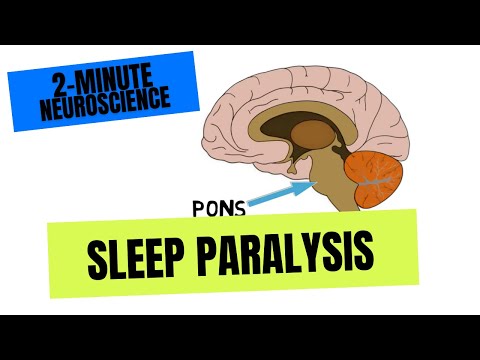
So, let’s talk about sleep paralysis. You know, that freaky thing where you wake up, but your body just won’t cooperate? Yeah, that.
Imagine lying there, wide awake, and you can’t move a muscle. Kinda scary, right? It feels like some invisible force is holding you down. It’s not just you; loads of folks have been through this wild ride.
There’s this mix of fear and confusion swirling around. And sometimes—whoa—the hallucinations can really take it up a notch. It’s a struggle between wanting to scream and just being frozen in place.
So what’s going on in your head when all this happens? Let’s dig into that psychological experience because it’s way more than just a bad dream!
Understanding Sleep Paralysis: Why It Feels Like You Can’t Breathe
Sleep paralysis is one of those creepy things that can really mess with your mind. Imagine waking up from a dream, but not being able to move an inch. You’re totally aware of what’s happening around you, yet you’re stuck in your own body. Sounds freaky, right? It’s pretty common too. But why does it feel like you can’t breathe during these episodes?
What Is Sleep Paralysis?
So, sleep paralysis happens when you wake up from REM sleep but your body hasn’t completely caught up. During REM (which stands for Rapid Eye Movement), your brain is super active and dreaming, while your body is mostly paralyzed to keep you from acting out those dreams. Sometimes, when you wake up too soon or suddenly, that paralysis lingers on for a moment or two—leaving you feeling trapped.
Why Can’t You Breathe?
When you’re experiencing sleep paralysis, the sensation of not being able to breathe can occur for several reasons:
- Anxiety: The panic that comes with feeling immobilized can trigger a fight-or-flight response in your brain. Your heart races and it feels like the walls are closing in.
- Chest Pressure: Sometimes it feels like there’s weight on your chest, almost as if someone’s sitting on you. This physical sensation can amplify feelings of suffocation.
- Misperception: Your mind may misinterpret sensations during this state. If you feel a slight pressure in your throat or chest, it might create the feeling of not getting enough air.
Let me tell you about my buddy Jake—one night he woke up paralyzed and swore he couldn’t take a breath. He felt a heavy weight on his chest and panicked thinking something was seriously wrong with him. After what felt like an eternity (but was only seconds), he managed to jerk awake fully and realized he was fine—but dang, that was some intense fear!
The Psychological Experience
Now let’s talk about how this all shakes down psychologically. When you’re experiencing this kind of paralysis:
- Your mind races: You’re hyper-aware but unable to react.
- Dread sets in: The fear of the unknown can blow everything out of proportion.
- Picturing threats: People often report seeing shadowy figures or feeling an evil presence—which adds to the overall tension.
This experience directly affects how we perceive safety during sleep and leads some folks to develop anxiety around sleeping itself.
Coping Strategies
If this sounds familiar and you’re looking for ways to feel more chill about sleep paralysis:
- Create healthy sleep habits: Try keeping a consistent sleeping schedule, which can help regulate your sleep cycles.
- Avoid stress before bed: Chill out with some relaxation techniques—maybe deep breathing or meditation.
- Sleep position matters: Some people swear by sleeping on their sides rather than their backs to avoid triggering episodes.
Remember Jake? He started doing yoga before bed and hasn’t had a scary episode since!
So yeah, while sleep paralysis can be wild—and yes, super scary—it’s just part of how our bodies work sometimes. You’re definitely not alone in this experience; many people go through it at some point!
Understanding Sleep Paralysis: Is There a Cure and How to Manage It Effectively?
Sleep paralysis is one of those experiences that can feel downright terrifying. You know that moment when you wake up but your body just won’t cooperate? You’re fully aware of your surroundings, but it’s like you’re trapped in your own head. This phenomenon usually happens when you’re transitioning between sleep and wakefulness, and it can last anywhere from a few seconds to a couple of minutes.
Now, let’s break down what happens during sleep paralysis. Your brain wakes up while the body stays in a state of sleep-induced muscle atonia, which is just a fancy way of saying your muscles are temporarily paralyzed to keep you from acting out your dreams. This is totally normal during REM sleep, but if you wake up too quickly, well, that’s when things get dicey.
So what causes this? Stress and anxiety play a big role. If you’ve been under pressure at work or dealing with personal issues, this could trigger sleep paralysis episodes. Sleep deprivation is another factor; if you’re not getting enough Zs, it could increase the likelihood of experiencing it.
To manage sleep paralysis effectively, here are some strategies to consider:
- Regular Sleep Schedule: Going to bed and waking up at the same time each day helps regulate your body’s internal clock.
- Reduce Stress: Try relaxation techniques like meditation or yoga before bed to calm your mind.
- Avoid Stimulants: Cutting back on caffeine and nicotine in the hours leading up to bedtime can make a big difference.
- Create a Comfortable Sleep Environment: Make sure your bedroom is dark and cool; sometimes small adjustments can lead to better sleep quality.
You might’ve heard stories about people feeling an ominous presence during these episodes—like someone’s watching them. This isn’t uncommon; our brains sometimes fill in gaps with unsettling visuals or sounds when we’re caught in that vulnerable state.
There’s also the question of whether there’s a cure for it. Currently, there’s no specific medication for sleep paralysis itself since it’s not considered a disorder on its own. However, managing underlying issues like anxiety or insomnia can definitely help reduce those pesky episodes.
And remember: if it keeps happening and it’s really affecting you—like making you dread going to bed—it’s worth talking to a healthcare professional who gets this stuff. They might refer you for therapy or suggest other options tailored specifically for your situation.
Feeling stuck between waking life and dreamland? It’s unsettling but completely normal for some people. Understanding what’s happening can make it less scary and help you find ways to manage those moments more effectively!
Understanding Sleep Paralysis: Unraveling the Mystery of the Sleep Paralysis Demon
Sleep paralysis can be one of the creepiest experiences you might go through. It’s that bizarre moment when you wake up from sleep but find your body isn’t cooperating. You’re wide awake, but you literally can’t move a muscle. It’s like your brain and body are out of sync for a brief moment. Yikes, right?
What really is sleep paralysis? Basically, it happens when you wake up during REM (Rapid Eye Movement) sleep. This is the stage of sleep where most dreaming occurs and your body is actually paralyzed to keep you from acting out those dreams. So, here’s the kicker: sometimes you wake up before this paralysis wears off. And that’s when the fun begins—or not!
Now imagine this: you’re lying in bed, maybe at 3 AM, and suddenly you’re aware of your surroundings but can’t budge an inch. Sometimes people report feeling pressure on their chest or even seeing shadowy figures hovering nearby—often dubbed the «sleep paralysis demon.» It’s super common to feel super freaked out in these situations.
How does it happen? Stress, irregular sleep patterns, or even certain sleeping positions could play a role in triggering those scary episodes. If you’re feeling anxious or have been through a lot lately, that might make things worse too.
- The psychological experience: When you’re in that paralyzed state, it’s not just physical—there’s a lot going on mentally as well.
- Fear: Many people describe intense fear during these episodes. Your mind races with thoughts like “What’s happening?” or “Am I going to be stuck like this forever?”
- Anxiety: If you’ve had repeated experiences with sleep paralysis, just anticipating it can lead to heightened anxiety around bedtime.
Some folks might think they’re having an encounter with something supernatural—which totally makes sense! The mind tends to fill in the gaps when there’s uncertainty. When you’re unable to move and see a dark figure? Yeah, your imagination kicks into overdrive.
So what can help? It’s mostly about managing stress and maintaining healthy sleep habits. Regular sleeping schedules tend to help reduce those episodes since stable routines signal your brain when it’s time to rest.
Finding ways to relax before bed can also do wonders. Think meditation or calming music—anything that helps soothe your mind after a long day.
If it keeps happening, chatting with a healthcare provider could be beneficial too! They can guide you toward other strategies and make sure there aren’t underlying issues at play like anxiety disorders or narcolepsy.
Sleep paralysis can feel terrifying! But remember it’s just your brain trying to transition back from dreaming into reality while your body’s still catching up. Keeping calm about it might take some practice but knowing what’s really happening can totally help lessen that fear factor—because really, understanding is half the battle!
You know, sleep paralysis is one of those things that can really mess with your head. Picture this: you’re lying in bed, fully aware that you’re awake, but your body just won’t cooperate. It’s like being trapped in a dream — a bad one at that. You can’t move, can’t speak, and sometimes you feel like something’s looming over you. Sounds terrifying, right?
I remember the first time it happened to me. I was at my friend’s place after a long night out. I crashed on the couch and suddenly woke up feeling completely paralyzed. My brain was racing, my heart pounding like it was trying to escape my chest. I wanted to scream for help or even just wave my arms — anything! But nothing happened. All I could do was stare into the shadowy corners of the room, convinced something sinister was lurking there watching me.
That feeling of helplessness is so overwhelming! You’re awake but not in control — it’s maddening. For many people who experience this, it’s worse than just fear; it’s an emotional rollercoaster wrapped in confusion and despair. You feel isolated even when you’re surrounded by loved ones because they can’t really understand what you’re going through unless they’ve been there.
This experience often brings on feelings of anxiety or dread about going to sleep again; nobody wants to face that kind of horror while they’re trying to find rest after a long day. And then there’s this secondary fear that builds up—what if it happens again? The whole thing can trigger a cycle where anxiety about sleep leads to disrupted rest cycles; it’s rough.
So, what gives? The science behind sleep paralysis involves our brain waking up before our body does during REM sleep when we usually dream and our bodies are effectively paralyzed to keep us from acting out those dreams (which sounds like a good idea!). But sometimes, well…that process gets tangled up.
In the end, you want to find ways to cope with these experiences because ignoring them isn’t going to make them disappear. Whether it’s talking about it with friends or finding relaxation techniques before bed—whatever works for you could help shift the narrative from fear back into something manageable. After all, sleep should be about peace, not panic!