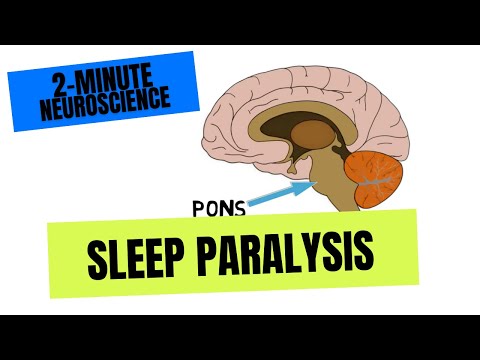
So, let’s talk about something kinda creepy—sleep paralysis. Have you ever woken up and felt totally frozen? Like your body won’t move, but your brain’s wide awake.
And then there’s that choking sensation! Ugh, the worst, right? You can’t scream, can’t breathe, just stuck in this weird limbo between sleep and wakefulness.
It’s super unsettling. Some people freak out about it. Others just brush it off as a bad dream. But what if it’s more than that? What if those moments mess with your head more than you realize?
Let’s dig into the psychological effects of sleep paralysis and those pesky choking feelings. You with me?
Understanding Sleep Paralysis: Why It Feels Like Someone is Choking You
Sleep paralysis can be a pretty creepy experience. You’re lying in bed, trying to wake up, but your body just won’t budge. It’s like you’re stuck between dreaming and reality. You might even feel like someone is choking you or pressing down on your chest. Seriously unsettling, right? So what’s going on here?
First off, let’s break down what sleep paralysis actually is. Basically, it occurs when you wake up from REM sleep but your body is still in that state of paralysis that’s supposed to keep you from acting out your dreams. Hey, we don’t want anyone punching their partner while dreaming about fighting zombies!
During this time, you might experience some intense sensations. It’s common to feel pressure on your chest or throat—like someone is sitting on you or squeezing tight. This can trigger a surge of panic because, come on, who wouldn’t panic when they can’t move? It’s hard to breathe and feels super real.
Now, let’s talk about the psychological side of things. When you’re in this paralyzed state, your mind can start playing tricks on you. People often report seeing shadows or feeling a presence in the room. And that sense of dread might make the choking sensation even more terrifying.
- Vivid hallucinations: These aren’t just fun house mirrors; they can feel alarmingly accurate and convincing.
- A sense of presence: Many describe it as feeling like someone—or something—is there with them.
- Panic attacks: The fear overload from all this leads to heightened anxiety or even panic attacks once you’re finally able to move.
If you’ve ever had one of these episodes, you know how deeply unsettling it can be! A friend once told me how he woke up paralyzed and convinced he saw a dark figure standing at the end of his bed. Total horror movie vibe! He felt like he couldn’t breathe as he tried yelling for help but nothing came out. When he could finally move again, he was drenched in sweat and needed a minute to process what just happened.
It’s also interesting how cultural beliefs shape our understanding of these experiences. In some cultures, sleep paralysis is linked with supernatural entities like demons or spirits trying to haunt people during their slumber.
So why does this happen? Stress and sleep deprivation are major culprits that can increase the likelihood of experiencing episodes. If you’re juggling too many things—work stress, personal issues—it makes sense that all those pressures could manifest into something as bizarre as sleep paralysis.
In a nutshell, while sleep paralysis feels awful, it’s usually harmless from a medical standpoint (though super scary!). If these episodes happen frequently and disrupt your life—or if they’re causing serious anxiety—talking to someone who gets it could help; maybe a good therapist or even a doctor specializing in sleep disorders.
In short? You’re not alone if you’ve felt that creepy sensation before! It’s more common than people realize, so don’t shy away from sharing your experiences with others who might relate or understand the fear that comes along with it.
Exploring the Link Between Sleep Paralysis and Mental Illness: Understanding the Connection
Sleep paralysis can be one of the most terrifying experiences. Imagine waking up, unable to move, and feeling a weight on your chest as if something’s holding you down. It’s super common to also feel like you’re choking or unable to breathe. Not fun, right? But what’s the connection between this creepy experience and mental illness? Well, let’s break it down.
Understanding Sleep Paralysis
So, sleep paralysis happens when you wake up from REM sleep but your body hasn’t fully caught up with your brain yet. During REM sleep, your body is kinda paralyzed—it’s nature’s way of keeping us from acting out our dreams. But sometimes that paralysis lingers even after you’ve woken up. And boom! There you are, stuck in bed.
It’s usually pretty brief—just a few seconds to a couple of minutes—but it can feel like forever when you’re panicking and seeing things that aren’t there. People often report hallucinations during these episodes which can ramp up the fear level.
The Mental Health Connection
Now here’s where it gets interesting: studies have shown that sleep paralysis is more common in people with certain mental health conditions. Conditions like anxiety disorders and depression often overlap with sleep issues—so there’s a link there.
If you’re already dealing with anxiety, those sleep paralysis episodes can make things worse. The fear of experiencing it again might lead you to avoid sleeping or cause insomnia. It’s like this vicious cycle of stress and sleeplessness.
Depression has its own set of challenges, including fatigue and disrupted sleep patterns. Holding onto negative feelings 24/7 can make your mind more susceptible to those frightening hallucinations during sleep paralysis moments.
Those with PTSD may find themselves facing these episodes frequently too. Past trauma affects how we handle stress, which in turn impacts our sleeping patterns—leading right back into the realm of scary night-time experiences.
You see how interconnected everything is? It’s like a tangled web of emotions and experiences.
The Psychological Effects
Experiencing sleep paralysis isn’t just annoying; it can really mess with your head emotionally too. Apart from the instant terror during an episode, there’s an ongoing psychological toll that can develop over time:
Worrying about whether it’ll happen again could lead you to dread bedtime. You might start avoiding sleep altogether!
If you’re tossing and turning all night due to fear or discomfort, you’re not getting restful sleep—which only adds fuel to the mental health fire.
When you’re already on edge due to mental health issues, adding in unpredictable bouts of fear makes life feel even more overwhelming.
It’s vital that if you’ve gone through these experiences regularly or feel overwhelmed by them, talking about it could help! Speaking with a therapist or someone who understands mental health might bring some relief.
So yeah, basically: Sleep paralysis isn’t just a freaky occurrence; it’s got roots in deeper emotional struggles too. The more we understand this link between our dreams—or nightmares—and mental health struggles, the better equipped we are to handle them both!
Understanding Sleep Paralysis: Why Your Eyes Might Be Closed During Episodes
Sleep paralysis can be a really creepy experience. Have you ever woken up and felt like you couldn’t move, even though you were totally aware of your surroundings? That’s it! Your eyes are probably closed during these episodes, but, strangely enough, your brain is actually awake. Let’s break this down a bit.
First off, sleep paralysis happens when there’s a glitch between sleeping and waking. Normally, when you’re in REM (that’s rapid eye movement) sleep—the stage where dreaming happens—your brain sends signals to paralyze your muscles. This keeps you from acting out your dreams. But sometimes, people wake up while their body is still in that paralyzed state. So, you’re conscious but can’t move or speak.
Now, the choking sensations you might feel during an episode? They can be super frightening. It often feels like there’s pressure on your chest or throat. This may happen because of the lack of muscle control combined with anxiety—both common during sleep paralysis episodes. Your body doesn’t remember how to breathe effectively while you’re stuck in that weird limbo.
On top of that, the psychological effects can vary widely from person to person. Some folks feel intense fear or panic; others might experience hallucinations—seeing or hearing things that aren’t there! For example, maybe you see a shadowy figure or hear whispers while you’re stuck there. It’s like having a bad dream crash into real life.
A big factor that often gets overlooked is stress or lack of sleep. If you’re not catching enough Z’s or if life has been throwing curveballs at you, it’s all connected. You see, when your mind is racing with worries or anxiety about daily stuff—work deadlines, relationship issues—you’re more likely to have these unsettling experiences.
To wrap it up: sleep paralysis involves being caught between sleep and wakefulness when your body is still in muscle lock mode. And those choking sensations? They’re pretty common and stem from a mix of physical and mental tension during those episodes. So if you’ve ever found yourself wide awake but unable to budge an inch? You’re not alone; many people have been through it!
You know, sleep paralysis can be one of those weird, spine-chilling experiences that totally mess with your head. I remember this one night when I woke up, and I swear I couldn’t move a single muscle. My heart was racing, and it felt like there was this heavy weight on my chest. It’s like my brain was screaming: «Wake up! Do something!» But my body just wouldn’t cooperate.
For those who don’t know, sleep paralysis happens during the transition between sleep and wakefulness. Your mind’s wide awake but your body? Not so much. When that choking sensation kicks in, it’s just the cherry on top of an already freaky sundae. You feel trapped in your own body. It’s like being in a nightmare while you’re wide awake.
These experiences can really leave a mark emotionally. It’s not just about the physical feeling; it’s the fear that lingers long after you’ve gotten up and shaken it off. You might start to dread falling asleep or find yourself waking up multiple times throughout the night because you’re anxious about what could happen next.
And can we talk about how isolating it feels? You might try to explain it to someone who’s never gone through it, but they’ll just look at you like you’ve grown an extra head. “Sleep paralysis? Sounds… strange.” Well, yeah, it is! And dealing with that sense of isolation can add another layer of stress.
Some people might dismiss these feelings as mere nightmares or bad dreams—but they’re so much more than that; there are real psychological impacts involved here too. Anxiety can creep in like an unwelcome guest, sticking around long after the episode has ended. It may lead to trust issues with your own mind and body which is honestly pretty unsettling.
But here’s the thing: you’re not alone in this. Many folks have experienced similar sensations—so if you’ve been down this rabbit hole before, know that you’re part of a bigger club than you might think! And while navigating through those nights can be rough sometimes, reaching out for support or talking about these experiences can help break down those walls of isolation and fear.
Life’s too short to let a little sleep drama hold us hostage, right? So hang in there—seriously! Finding ways to cope can make all the difference when those nights come knocking again.