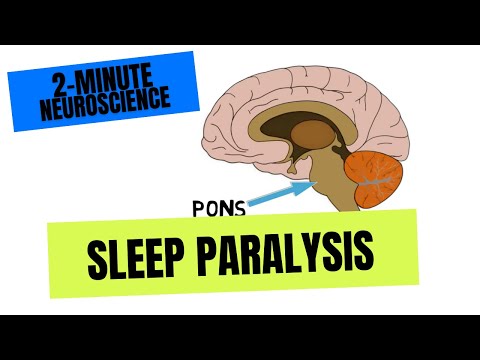
You know that weird thing where you wake up but can’t move? Yeah, sleep paralysis. It can feel totally freaky!
You’re lying there, heart racing, and everything feels off. Sounds familiar? Well, you’re not alone in this.
We’ve all had those nights where sleep is just a mess. So let’s chat about what goes on in your head during these moments and some psychological approaches to tackle it.
It’s about understanding what your mind’s up to while you’re caught in that limbo between waking and dreaming. Ready to dig in?
Understanding Sleep Paralysis: The Psychological Factors Behind This Disturbing Experience
Sleep paralysis is one of those creepy experiences, right? You wake up but can’t move or scream, and it feels like there’s someone—or something—sitting on your chest. It’s super unsettling. In this little chat, we’ll explore the psychological factors behind sleep paralysis and some ways to deal with it.
First off, let’s understand what sleep paralysis really is. Basically, it’s when you wake up during REM (Rapid Eye Movement) sleep. During this stage, your brain is busy dreaming while your body is basically paralyzed to stop you from acting out those dreams. So when you wake up but still have that temporary paralysis, it’s like your brain’s playing a trick on you.
Now, what triggers this eerie experience? Well, several psychological factors can come into play:
Stress and Anxiety: High levels of stress or anxiety can really mess with your sleep patterns. When you’re anxious or stressed out about something—like work or personal issues—it can disrupt your sleep cycle. This disruption makes you more likely to have episodes of sleep paralysis.
Sleep Deprivation: Not getting enough Z’s can be a major culprit too. If you’re not sleeping well for a few nights in a row, your body may try to catch up on REM sleep all at once. Suddenly waking up during that time? Yeah, that’s prime time for sleep paralysis to sneak in.
Irregular Sleep Schedule: If you flip-flop between night shifts and day shifts or just stay up late often, it takes a toll on your circadian rhythms. Trust me; it does not help in getting quality rest and invites all sorts of nightmares—and yes, including paralysis!
Sleep Disorders: Conditions like narcolepsy also increase the chances of experiencing these episodes. If you’re dealing with ongoing tiredness during the day along with short nighttime paralysis episodes—well that’s a red flag suggesting further investigation might be needed.
So now that we’ve set the stage about why this happens—like being overworked at school or worried about life—it’s equally important to talk about how to manage it.
One approach is **cognitive behavioral therapy (CBT)**. With CBT, you work through negative thought patterns and replace them with healthier ones. This helps reduce anxiety and stress levels which could lower the chances of future episodes.
Another option involves maintaining **good sleep hygiene**:
You might also want to explore relaxation techniques such as deep breathing exercises or mindfulness meditation before bed—anything that calms the mind and body!
Sometimes just having **open conversations** about what’s happening can help too! Sharing these experiences with friends or loved ones not only validates what you’re going through but reduces that feeling of isolation that often comes with it.
And hey! A little story here: One friend told me she used to freak out whenever she felt paralyzed at night until she read about it online. Once she understood the concept better—it wasn’t some supernatural entity after her; just her brain being quirky—it felt less frightening! She started following some relaxation techniques before bed and even found talking about it helped her feel less alone.
So remember, if you’ve been dealing with this disturbing phenomenon, you’re not alone. Understanding what’s happening in your brain—and finding ways to cope—can make all the difference in reclaiming those peaceful nights again!
Understanding Sleep Paralysis: Freud’s Insights and Interpretation
Sleep paralysis is one of those creepy experiences many people go through, but not everyone takes the time to really get what’s happening. Basically, it’s when you wake up and can’t move or speak for a few seconds or even longer—it can feel like an eternity. You might also have hallucinations, which is seriously unsettling. Now, let’s get into the nitty-gritty of it, including some of Freud’s thoughts and how you might work through it.
First up is Freud—yes, the guy known for his wild theories about dreams and the unconscious mind. Freud saw sleep paralysis as more than just a physical phenomenon. He thought it was all tied up with our mind’s struggles between desires and repressions. He even connected these episodes to anxiety and unresolved conflicts from our waking lives.
When you think about sleep paralysis in light of Freud’s ideas, it makes sense that emotional stress could trigger it. For example, if you’re dealing with a lot at work or facing personal challenges, your mind might be so frazzled that you experience these nighttime interruptions. It’s almost like your brain is trying to tell you something important that you’re ignoring during the day.
Now let’s talk about ways to overcome sleep paralysis. Here are some psychological approaches that might help:
- Mindfulness meditation: This practice helps ground yourself in the moment, easing anxiety.
- Cognitive Behavioral Therapy (CBT): This approach can change negative thought patterns related to fear—like freaking out during an episode.
- Sleep hygiene: Maintaining good sleep habits can reduce episodes; think regular sleep schedule, comfy environment, and no screens before bed.
- Journaling: Writing down your thoughts before sleeping might help process worries that could be causing these experiences.
Imagine this: You’re lying there in bed after a rough day—maybe you parted ways with a friend or flubbed an important presentation—and suddenly you’re awake but can’t move! Your heart races as shadows creep into the corners of your room, amplifying your panic. The thing is: those emotions from earlier are still hanging around in your subconscious.
Taking care of your mental well-being can totally affect how often you experience sleep paralysis. By dealing with daily stressors and unresolved issues through therapy or just talking it out with friends, you may find those episodes becoming less frequent.
Understanding Sleep Paralysis: Unraveling the Mystery of the ‘Demon’ Experience
Sleep paralysis can be super freaky. Imagine waking up but not being able to move or speak. It’s like your body’s awake, but it’s still stuck in sleep mode. This weird experience can leave people feeling scared, confused, or even haunted. Some folks describe the sensation of a “demon” or heavy weight on their chest. This whole scene is what we call sleep paralysis.
What happens during sleep paralysis? Well, it usually occurs when you’re waking up or falling asleep. Your body enters a state of REM (Rapid Eye Movement) sleep, where dreams happen. During REM, your brain sends signals to your body to prevent you from moving—kind of like a safety feature so you don’t act out your dreams. But sometimes this system goes haywire, and you wake up while your body is still in that paralyzed state.
Now, let’s get into the feelings you might experience during an episode. Some people report feeling intense fear or panic, an eerie presence in the room, or even auditory hallucinations like whispers or growls. It’s pretty intense! One person I know said they felt a heavy pressure on their chest and heard someone breathing nearby. It took them a while to shake off that feeling even after it was over.
What causes this? Several factors might contribute—including stress, anxiety, sleep deprivation, and irregular sleep patterns. If you’re burning the candle at both ends and skimping on shut-eye? Yeah, that might trigger an episode.
So how can you deal with this unsettling experience? There are various psychological approaches out there:
- Understanding Triggers: First off, try to identify what makes your sleep patterns irregular. Are you stressed? Anxious? Keeping a journal about your sleep habits may help.
- Cognitive Behavioral Therapy (CBT): Therapists often recommend CBT for dealing with anxiety associated with sleep paralysis. This involves changing negative thought patterns that could make the experience worse.
- Relaxation Techniques: Practices like deep breathing and mindfulness meditation can also help calm your mind before bed—making it easier to fall asleep peacefully.
- Sleep Hygiene: Yup! Getting good quality rest is crucial too! Stick to a regular sleep schedule and create a calming bedtime routine.
Another interesting thing: some people swear by visualizing themselves moving during an episode—like telling their brain “Hey! I’m awake!” You know? It’s sort of like doing mental gymnastics while pinned down.
The most important takeaway here? You’re not alone if you’ve experienced this bizarre phenomenon! Sleep paralysis is more common than many think, and by addressing underlying issues like stress and poor sleep habits through psychological approaches can bring significant relief. So remember: awareness is key! Understanding what’s happening may take away some of that fear next time it strikes.
So, sleep paralysis. That whole deal can be super freaky, right? You wake up, fully aware of what’s going on around you, but your body is just like, “Nah, I’m not moving.” It’s like a glitch in the matrix. Some people see shadowy figures or feel pressure on their chest—just terrifying stuff.
Now, tackling this phenomenon is interesting because there are actually psychological approaches that can help. One thing that really works for some folks is cognitive behavioral therapy (CBT). Basically, it’s about changing how you think about sleep paralysis and your sleep habits. When I first learned about CBT from a friend who struggled with anxiety, I was impressed by how focusing on thoughts changes feelings—kinda neat!
Another helpful approach is exposure therapy. With this one, you might gradually expose yourself to the fear of sleep paralysis—like talking about it or even sleeping in a position where it might happen. It sounds nuts at first! But the idea is to desensitize yourself so that when it does occur again (and let’s be real—it might), you’re more equipped to handle it.
I remember talking to my buddy Alex who experienced sleep paralysis after a tough period of stress. He described this terrifying moment where he felt trapped while seeing a shadow hovering over him. After discussing his experience and trying some mindfulness exercises as suggested by his therapist, he started feeling more empowered over his sleep patterns.
Also—mindfulness! Just being present really helps reduce anxiety related to sleep issues. Practicing meditation or deep breathing before bed can create a calmer environment for sleep and make those episodes less frequent.
The thing is, everyone’s experience with sleep paralysis differs. These approaches are just tools in the toolbox—and finding what clicks for you is really key. So if you’re dealing with this eerie phenomenon or know someone who is, just remind them they’re not alone in this wild ride through the nocturnal unknown!