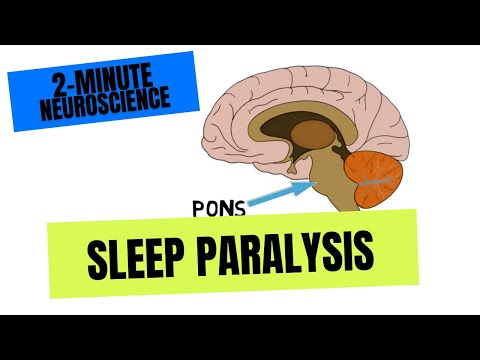
Ever wake up and feel like you’re stuck? Like, you can’t move or scream, even though you’re wide awake? Ugh, that’s rough.
That eerie situation is called daytime sleep paralysis. Sounds spooky, right? Well, it can seriously mess with your head.
So it’s not just the weirdness of being immobile. It’s the feelings that come with it—fear, confusion, and sometimes even dread. It can leave you shaken for hours or longer!
Let’s break down what this really means and how it hits our minds. You’re not alone in this; a lot of folks experience it!
Understanding Sleep Paralysis: Is It a Psychotic Episode or a Sleep Disorder?
Sleep paralysis can be super scary, right? You wake up, can’t move, and sometimes even see or hear things that aren’t there. It’s like your brain is awake, but your body just… isn’t. So what’s going on? Is it a sleep disorder or something more intense?
Basically, sleep paralysis happens during the transition between sleeping and waking. It’s linked to REM (rapid eye movement) sleep, the stage where you usually dream. Your brain’s active, but your muscles are in a sort of «off» mode, preventing you from acting out those dreams. Sometimes people wake up before this muscle relaxation wears off.
Now, it’s often accompanied by hallucinations that can feel very real. Like one time, my friend described feeling pressure on her chest and seeing a dark figure in the corner of her room. Spine-tingling! These experiences can make it feel like a psychotic episode because you’re caught between reality and nightmare.
You might wonder if sleep paralysis is just some weird quirk or if it’s tied to mental health issues. Well, research shows that it can be related to sleep disorders like narcolepsy or insomnia. But there’s also a psychological component here that we shouldn’t ignore.
- Anxiety: Those who deal with anxiety may experience sleep paralysis more often. Stress can disrupt sleep patterns.
- Sleep deprivation: Not getting enough shut-eye raises the chances of having episodes.
- Sleep position: Some studies suggest sleeping on your back increases the likelihood of experiencing this phenomenon.
It’s also worth noting that cultural factors play a role too. For some folks around the world, these experiences are linked to folklore or spiritual beliefs—think demons sitting on chests or out-of-body experiences.
Psychologically speaking, when you have repeated episodes of sleep paralysis, it can lead to heightened anxiety about going to bed at all! You might start avoiding sleep because the panic feels too overwhelming. It turns into this vicious cycle where anxiety about sleeping leads to less quality rest—which then makes those episodes more likely.
So while sleep paralysis itself is classified as a sleep disorder, it absolutely interacts with psychological elements too. Understanding this connection is vital because addressing both aspects can really help minimize those terrifying moments when you’re stuck in your own body.
If you’ve experienced this before—or know someone who has—you’re not alone! It happens to many people at least once in their lives. Recognizing it as a common experience might help reduce some fear around it.
In short, sleep paralysis straddles that fine line between being a physiological response during REM sleep and bringing in psychological influences like stress and anxiety. Knowing what you’re dealing with can arm you against those frightening nights ahead!
Understanding Sleep Paralysis: Myths, Facts, and Its Impact on Your Health
Sleep paralysis can be a really creepy experience. It’s when you wake up and can’t move or speak, sometimes feeling like there’s something heavy on your chest. **Seriously**, it can be startling, and you might think you’re dreaming, but nope, you’re wide awake.
Let’s talk about some big **myths** surrounding sleep paralysis first:
- Myth 1: It’s just a nightmare.
- Myth 2: Sleep paralysis is dangerous.
- Myth 3: Only certain people experience it.
It feels nightmarish for sure, but it’s not the same as a bad dream. You’re aware of your surroundings, even if the situation feels terrifying.
It isn’t physically harmful—you won’t get stuck that way! But it can leave you feeling anxious and scared afterward.
This isn’t exclusive to folks with sleep disorders. Anyone can have an episode, though it’s more common in those with irregular sleep schedules or high stress.
Now let’s break down the **facts**:
- Fact 1: It happens during transitions.
- Fact 2: Stress and fatigue contribute.
- Fact 3: It has psychological effects.
Sleep paralysis usually occurs as you’re waking up or falling asleep. Your mind wakes up before your body does—it’s like your brain is playing a trick on you.
If you’re stressed or super tired, you’re more likely to experience episodes. Life can throw a lot at us, right? Managing stress with relaxation techniques might help.
Those feelings of fear and helplessness during an episode can lead to anxiety or even impact your sleep quality over time. Some people start fearing sleep itself!
And speaking of psychological effects—let me share an example that hits home. A friend of mine experienced sleep paralysis multiple times in college and couldn’t shake off the eerie feeling during those moments. She started avoiding naps because she was afraid of what might happen next. Over time, this developed into anxiety about going to bed at all! Not cool.
It’s important to acknowledge these impacts because they can create a cycle. The more anxious you feel about sleep, the harder it is to rest well—and then the higher chance there is for another episode.
If you’re dealing with this kind of stuff, it might help to talk to someone who gets mental health—like a therapist—about how it’s affecting you long-term. Seriously think about techniques like better sleep hygiene too; they could make all the difference.
In short, understanding what sleep paralysis is—and isn’t—can help lessen its grip on your mind and body. So don’t hesitate to reach out for support if it’s bugging you! You deserve restful nights without worrying about waking up terrified again!
Understanding Sleep Paralysis: The Truth Behind the ‘Sleep Demon’ Phenomenon
Sleep paralysis is one of those things that can seriously freak you out. Imagine waking up and being unable to move, like your body is frozen while your mind races. Many people describe it like being trapped in their own dreams. Some even report feeling or seeing a heavy presence in the room, often referred to as a “sleep demon.” It’s pretty common, and while it sounds eerie, there’s some solid science behind why it happens.
First off, what exactly is sleep paralysis? It’s a phenomenon that occurs when you wake up before your REM (Rapid Eye Movement) sleep cycle is fully finished. Normally, during REM sleep, your brain sends signals to relax your muscles so you don’t act out your dreams. But when you wake up too soon—while still in this relaxed state—you might find yourself wide awake but unable to move or speak.
Now let’s talk about daytime sleep paralysis, which can be just as unsettling. It generally happens after you feel really tired during the day or haven’t been sleeping well for a few nights in a row. You might be dozing off somewhere—maybe at work or on the couch—when suddenly you realize you’re awake but can’t budge a muscle. It’s wild how that can feel like some sort of nightmare playing out in real life.
Many people experience psychological effects from these episodes. Some report feelings of anxiety or fear when they go to bed afterward, fearing that the paralysis will happen again. Imagine lying down every night with that kind of dread! This creates a cycle where the stress and anxiety about potentially experiencing sleep paralysis leads to poor sleep quality, making them more susceptible to future episodes.
A common element of these experiences includes vivid hallucinations—like seeing shadows or a figure pressing down on your chest. This ties into something called hypnagogic hallucinations, which are just fancy words for what happens as you fall asleep or wake up. Basically, sometimes your brain’s trying to sift through dream imagery while you’re waking up, leading to these spooky sensations.
Another thing worth mentioning is how common this really is. Studies show that around 8% of people will experience sleep paralysis at some point in their lives! That makes it not just rare folklore but an actual phenomenon many deal with.
It’s also important to know that stress and lack of sleep can play big roles here. If you’ve been juggling a lot of late nights and stressful days? Well, let’s just say you’re more likely to find yourself face-to-face with Mr. Sleep Demon sooner rather than later.
If you’ve ever gone through this ordeal—feeling stuck in bed with racing thoughts—it might help knowing others share this experience too! When my friend went through her first episode last year, she thought she was losing her mind until she did some research and found out it’s way more common than most think!
In essence: While sleep paralysis can be unnerving and lead to psychological discomfort for many people, it’s generally harmless physically speaking (though emotionally it’s another story). Understanding what causes it may help lessen those fears about going back to bed at night!
So remember: If this happens to you—or someone you know—it’s not just scary; it’s scientifically explainable!
So, let’s talk about this thing called daytime sleep paralysis. You know, it’s weird and honestly pretty unsettling. Most people have heard of sleep paralysis happening at night, right? But can you imagine dealing with it during the day? It’s like, you’re awake but your body just won’t move. That’s got to mess with your head a bit.
A friend of mine once told me about this terrifying experience she had while napping on her couch one afternoon. Suddenly, she couldn’t move or speak; all she could do was see the room around her. She started freaking out, thinking someone was in the room with her! Turns out it was just a glitch in her brain as she drifted in and out of sleep. But still—seriously scary stuff.
The psychological effects can linger too. People who go through these episodes often report feeling anxious or scared to take naps again because they’re afraid of what might happen next. That kind of dread can really wear you down over time, right? You might start avoiding situations that might lead to a nap, putting more strain on your daily life.
And think about this: when you can’t fully trust your own body’s reactions during something as basic as sleeping or resting, it’s bound to affect how you feel about yourself and even your mental health overall. You might wonder if it means something deeper or if you’re losing control somehow.
Also, there’s the whole stigma around sleep issues. It’s not like people are jumping at the chance to share their daytime sleep paralysis stories at dinner parties! This can lead many to feel isolated or embarrassed because they think no one else gets it.
Basically, those episodes are more than just annoying; they’re like little intruders that sneak into your peace of mind and rattle your confidence—especially if they happen when you least expect them during the day when you’re trying to recharge after a long morning.
So yeah, if you or someone close has experienced daytime sleep paralysis, it’s totally valid to feel shaken up by it. Being aware of its psychological impacts is super important for understanding what someone might be going through while trying to navigate their everyday life—because life is chaotic enough without adding unexpected naps that turn into mini horror shows!