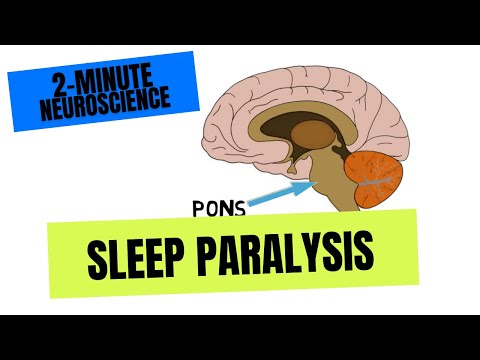
So, let me tell you about something super weird that happens when you sleep. You know those moments when you wake up, but your body just won’t cooperate? Ugh, it’s like your mind’s awake, but you’re stuck in this limbo. That’s sleep paralysis for you.
And then there are those shock sensations. They can make your heart race! You might feel like you’re falling or that zap of electricity coursing through your body. Honestly, it’s kind of terrifying, right?
A lot of people don’t really talk about this stuff. But trust me—if you’ve experienced it, you’re definitely not alone. So let’s dig into the psychological effects behind all this craziness and see how it messes with your mind and emotions. Sound good? Cool!
Understanding Sleep Paralysis: What Is the Average Age of Onset?
Sleep paralysis can be super frightening, right? You’re stuck between being awake and asleep, and it feels like you can’t move or speak. It’s like your brain is awake, but your body is still in dreamland. This experience can happen to anyone, but if you’re curious about when it usually shows up, that’s a really good question.
Most people report their first experience of sleep paralysis in their late teens to early twenties. But the thing is, it can happen at different ages too. Some have that terrifying moment as young as 10 or 12 years old, while others might not encounter it until much later in life.
If we break this down a little more:
- Teen Years: Many folks start experiencing sleep paralysis around 17 or 18. It’s a time filled with stress—like school pressures and social changes—which might trigger those episodes.
- Young Adults: The peak age often lands between 19 and 25. With college stress or starting new jobs, life gets hectic!
- Older Adults: While less common, some people notice it in their thirties and even beyond. Stressors change as you age—like family issues or job stresses—but sleep conditions may also play a part.
It’s interesting how life events shape our sleep patterns too. For instance, if you’re dealing with anxiety or facing major life changes, your sleep might get disrupted. That disruption can make sleep paralysis more likely to happen.
Now about those shock sensations people feel during an episode: Imagine waking up and feeling this intense pressure on your chest like someone’s sitting on you. It’s not just uncomfortable; it’s pretty terrifying! That sensation often spikes feelings of fear when you can’t move at all.
Many reports suggest these episodes often come hand-in-hand with vivid hallucinations—seeing things that aren’t there or hearing sounds that aren’t real. That makes waking up from one of those moments even scarier! A friend once told me they thought they saw a dark figure hovering over them during an episode and felt completely helpless until it finally passed.
The psychological effects don’t end there; experiencing sleep paralysis repeatedly can lead to anxiety around sleep itself. People might start fearing they’ll go back to that awful state of being unable to move again.
In short, while most folks see those first signs in their late teens to early twenties, the onset age varies widely based on personal experiences and stress levels throughout life. And honestly? Knowing this stuff can sometimes help lessen the fear that comes with those creepy nights!
Understanding Sleep Paralysis: Why Your Eyes May Be Closed During Episodes
Sleep paralysis can be super scary, right? You’re lying there, awake but unable to move, and sometimes your eyes are even closed. So, what’s going on with that? It can feel like you’re caught in this weird in-between place where sleep and wakefulness collide. Let’s break it down a bit.
First off, sleep paralysis happens when you wake up during REM (Rapid Eye Movement) sleep. During this phase, your brain is active, and dreams usually occur. Your body basically acts as a safety mechanism by paralyzing your muscles so you don’t act out those dreams. That’s great for keeping us safe while we’re dreaming! However, if you wake up before the paralysis is over, your mind is alert, but your body is still frozen.
Here’s where it gets a little trippy: even though you might feel awake and aware of your surroundings, the brain doesn’t give the signal to open your eyes yet. So if you’re experiencing an episode of sleep paralysis with closed eyes—yeah, that totally makes sense! It’s like being stuck in a paused video game.
Now let’s talk about those psychological effects. Many people report feeling intense fear or shock sensations during episodes. You’re lying there thinking something’s off in the room—like someone or something might be watching you. That sensation can trigger an adrenaline rush which makes everything feel heightened and more terrifying.
Some factors that can contribute to sleep paralysis include:
So like I said earlier—sleep paralysis can be pretty distressing! You know how emotions amplify experiences? Imagine feeling trapped and helpless without being able to physically express what you’re feeling; it’s suffocating!
And if you’ve ever had one of those moments where you’re fighting against the invisible chains binding you down—it makes total sense why someone would feel terrified. Some folks even report having hallucinations while they’re paralyzed; this can include auditory experiences or visual disturbances that add another layer of fear.
One helpful thing to keep in mind is that although these episodes are often frightening, they generally aren’t harmful physically. They may feel super real and overwhelming at the time but knowing it won’t hurt you could help lessen some of that fear.
So next time (if there is one!) you’re going through this unsettling experience remember: breathing deeply and trying to relax once you’re aware may help ease some tension—and maybe open those eyes for real!
Understanding all this might not make sleeping through the night any less troublesome sometimes, but having some knowledge about why it happens could help take away a little bit of the mystery—and hopefully some of the dread too!
Effective Strategies to Overcome Sleep Paralysis and Banish Nighttime Demons
Sleep paralysis can be a seriously unsettling experience, right? You’re lying there, half-awake, and suddenly you can’t move. It’s like being trapped in your own body. Then there’s that creeping sense of dread or even those weird hallucinations. Yeah, it’s a lot!
What Happens During Sleep Paralysis?
So here’s the thing: sleep paralysis usually occurs when you’re waking up or falling asleep. Your body is still in that sleep state while your mind starts to kick into gear. This mismatch can create a perfect storm of fear and confusion, often resulting in those shock sensations or nighttime demons lurking around.
Psychological Effects
The psychological effects of sleep paralysis can linger long after the experience is over. You might feel anxious about going to sleep again or develop a kind of avoidance behavior—maybe you skip naps or pull all-nighters just to dodge that feeling. Seriously, it’s like your brain is playing tricks on you!
But don’t worry; there are ways to tackle this head-on.
Effective Strategies
- Improve Sleep Hygiene: Establish a regular sleeping schedule. Go to bed and wake up at the same time every day, even on weekends! A consistent routine helps regulate your body’s internal clock.
- Create a Relaxing Environment: Make your bedroom cozy and calm. Think soft lighting, cool temperatures, and limit screens before bedtime—it really helps signal your body that it’s time to wind down.
- Avoid Stimulants: Cut back on caffeine and nicotine, especially in the afternoon and evening hours. You’ll sleep much better if these aren’t messing with your system.
- Tame Stress Levels: Incorporate some relaxation techniques into your daily routine—like meditation or deep-breathing exercises—so when bedtime rolls around, you’re not wired from stress.
- Sleep Position Considerations: Some people find that sleeping on their back can trigger episodes of sleep paralysis. Try side-sleeping instead! A little shift can sometimes make a big difference.
- Acknowledge Your Fears: If fear creeps in during an episode, remind yourself it’s temporary and won’t harm you. Sometimes just vocalizing “I’m safe” can help ground you in reality.
Think about Jamie—a friend of mine who used to have these terrifying experiences every week. He’d wake up paralyzed with hallucinations almost nightly! We talked about how he could change his routine a bit: he started meditating before bed and even switched his sleeping position. Now? He rarely has them anymore.
If the strategies still leave you feeling uneasy or if those “demons” keep crashing your nighttime party despite your best efforts, don’t hesitate to reach out for professional help! Talking things through with a therapist can offer new insights.
You don’t have to face this alone; remember that so many people go through similar struggles! With some patience and practice, you’ll likely find ways to make sleep more restful again. So hang in there!
So, sleep paralysis, huh? It’s that creepy experience when you wake up but can’t move or speak. You might feel this overwhelming weight on your chest, like someone’s sitting on you. And then there are those shock sensations—tingling or jolting feelings that can really freak you out. It’s not just a weird phenomenon; it messes with your head in some profound ways.
I remember the first time I had sleep paralysis. I woke up one night and couldn’t budge. For a second, I thought someone was in my room. My heart raced like I’d just run a marathon! It’s terrifying because you’re fully aware of your surroundings but trapped inside your body. In that moment, rational thoughts seem to fly out the window, and panic sets in hard.
The psychological effects can be pretty intense too. People often report feelings of anxiety after these episodes. Like, even if they manage to shake it off at first, the fear of it happening again looms large. It creates this cycle where you’re scared to sleep because what if it happens again? Some folks might develop insomnia or even symptoms resembling PTSD over time. That sense of helplessness? It’s no joke.
Shock sensations can add another layer to all this—it’s like having an electric jolt shoot through your body just as you’re drifting off or waking up. It feels alarming and real! And guess what? Those shocks can prime our brains for anxiety too because they wake us right out of our dreams and into this state of panic.
People who go through these experiences often feel isolated because it’s tough to explain to others how real—and disturbing—it feels. You end up questioning your sanity sometimes! But talking about it helps; there’s something healing about sharing these stories with friends who get it.
Look, sleep paralysis and shock sensations aren’t just something to brush aside as weird dreams or nightmares—they’re part of the complex relationship we have with our own minds while we’re asleep. If you’ve been dealing with them, remember you’re not alone in this strange space where sleep meets wakefulness; plenty of folks are navigating those dark waters right alongside you!