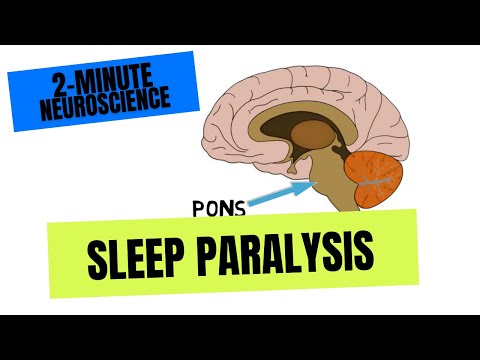
You’re lying there, wide awake, but your body refuses to move. You can’t scream, can’t even blink. Ever been there? That’s sleep paralysis, my friend. It’s like being trapped in a nightmare you can’t wake up from.
So, what’s the deal with how long it lasts? And more importantly, how does it mess with your head? Well, it varies—sometimes it’s just a few seconds; sometimes it feels like an eternity. Crazy, huh?
When you finally break free, you might not feel quite right after. Anxiety kicks in or dread for the next night creeps up on you. It’s pretty wild how this weird experience can linger in your mind long after it’s over.
Let’s chat about the duration and the psychological effects of sleep paralysis. You might just find yourself nodding along or thinking “wow, that sounds familiar.
Understanding the Effects of Frequent Sleep Paralysis: Is It Harmful to Your Mental Health?
Sleep paralysis can be a pretty wild experience, right? You’re lying there, wide awake but totally unable to move. For many people, it’s just a creepy moment here and there. But if it happens often, you might wonder what’s going on with your mental health. Let’s unpack this.
First off, what even is sleep paralysis? It’s that weird state between waking up and falling asleep where your mind is alert but your body isn’t. You might feel heavy pressure on your chest or even see and hear things that aren’t really there. Super unsettling!
Now, how often does it happen? For some folks, it could be once in a blue moon; for others, it can happen multiple times a week. Frequent episodes can lead to a heap of emotional challenges.
One of the biggest concerns with frequent sleep paralysis is anxiety. Imagine dreading sleep because you’re scared of getting stuck in that paralyzed state again. It can seriously amp up feelings of fear and anxiety when you think about bedtime. I once had a friend who’d wake up sweating and panicking after each episode. It really messed with his ability to relax at night.
Then there’s sleep deprivation. If you’re constantly worried about sleep paralysis, you might end up losing sleep over it—literally! Less sleep can lead to more stress and irritability during the day. It becomes this vicious cycle.
Now let’s talk about how all this ties into your mental health overall. People dealing with chronic sleep paralysis might experience an increase in symptoms related to other conditions like depression or generalized anxiety disorder (GAD). Basically, feeling stuck while falling asleep doesn’t only affect your nights; it spills into your days too.
You might also notice a shift in your mood. If you’re anxious or stressed out because of those episodes, it’s easy to feel down or overwhelmed during the day. Your energy levels dip, making everything seem harder than usual.
So is frequent sleep paralysis harmful to mental health? Well, it varies from person to person. Some people manage just fine after experiencing these episodes without lasting effects. Others may find their mental well-being taking a hit over time.
If addressing frequent sleep paralysis sounds like something you’d want to explore further, consider talking to someone who knows their stuff—like a therapist or doctor—who can help pinpoint what’s going on and how best to tackle it.
In summary: Sleep paralysis can be more than just an eerie nighttime challenge; when it’s frequent, it has the potential to affect anxiety levels and overall mood significantly. Understanding these impacts is key so you can take steps towards feeling better at night—and throughout the day too!
Understanding Sleep Paralysis: The Physiological Changes Behind the Phenomenon
Sleep paralysis can feel super intense, right? You’re stuck in your bed, wide awake but unable to move. It’s like your body is hitting snooze while your brain’s fully alert. Let’s break down what’s going on here and the effects it can have on your mental state.
First off, sleep paralysis occurs when you wake up during the REM (Rapid Eye Movement) phase of sleep. During REM, your brain is super active—like it’s watching a movie—but your body is mostly paralyzed. This prevents you from acting out your dreams. But if you wake up before this paralysis wears off, you’re left in a strange in-between state where you’re aware but can’t move.
Physiological changes play a big role in this whole experience. When you’re in REM sleep, something called **atonia** kicks in. Atonia is basically a protective mechanism that stops you from moving while dreaming. It keeps your dreams safe and sound, but when it gets disrupted upon waking, that disconnect between mind and body can lead to freaky feelings.
Now, let’s talk about duration. Sleep paralysis usually lasts anywhere from a few seconds to a couple of minutes. But it can feel like forever if you’re experiencing it! That time can be filled with intense sensations like pressure on your chest or even visual or auditory hallucinations. Some people report seeing shadowy figures or hearing buzzing sounds—it’s different for everyone but definitely unsettling!
And then there are the psychological effects. Experiencing sleep paralysis can make you more anxious about sleeping in general because who wants to go through that again? Over time, this anxiety might lead to insomnia or other sleep disorders. People who already deal with conditions like anxiety and stress might find these episodes hit harder.
Interestingly enough,
. Take the “Old Hag” phenomenon—where people believe an old witch is sitting on their chest while they can’t move—showing how deeply rooted these experiences are across different backgrounds.
So yeah, if you’ve ever found yourself frozen in place while half-dreaming but wide awake, know that it’s not just you! The brain-body connection during this phenomenon is fascinating yet bizarrely complex. If it happens regularly and starts messing with your life or sleep quality—talking to someone about it might help ease the worry!
Effective Strategies to Overcome Sleep Paralysis: Tips for a Restful Night
Sleep paralysis can be super unsettling. You know that moment when you feel awake but can’t move? It’s like your mind is awake, but your body is still in dreamland. Sometimes, it lasts just a few seconds, but other times it can feel like an eternity. This weird state often comes with hallucinations too, which just adds to the freaky vibe of the whole experience.
So what causes this? Mainly, sleep paralysis happens when you’re transitioning between sleep and wakefulness. If you’re sleep-deprived or have irregular sleep patterns, you might be more likely to experience these episodes. Stress can also play a huge role. But don’t worry; there are effective strategies you can try to help ease this situation.
- Maintain a Regular Sleep Schedule: Keeping consistent sleep and wake times helps regulate your body’s internal clock.
- Create a Relaxing Bedtime Routine: Wind down before bed with calming activities like reading or listening to soft music.
- Reduce Stress: Techniques such as mindfulness or meditation can help manage anxiety levels that may trigger sleep paralysis.
- Avoid Stimulants Before Bed: Be mindful of caffeine intake late in the day—this includes coffee, tea, and even some sodas.
- Create a Comfortable Sleep Environment: Make sure your bedroom is dark, quiet, and at a comfortable temperature.
A buddy of mine had some serious struggles with sleep paralysis during college. It happened after all-nighters and stress- fueled study sessions. Once he started sticking to regular sleep hours and cut back on gaming late at night, things started improving for him.
Sometimes people think that facing their fears during an episode could help them cope better, but that’s not really how it works. Instead of fighting it—like trying to scream or move—you might want to focus on relaxing your breathing while you’re stuck in that state.
Also worth mentioning: if you’re waking up feeling anxious or frightened due to these occurrences often, talking to someone about it like a therapist could be helpful too.
In the end, remember that everyone’s different! What works for one person may not work for another. Just take small steps toward better sleep hygiene and see how your body responds. Here’s hoping for peaceful nights ahead!
Sleep paralysis, huh? It’s one of those experiences that can be seriously unsettling. You know, the feeling when you wake up and, boom, you can’t move? It usually lasts just a few seconds to maybe a couple of minutes, but trust me, it can feel like forever. And in those moments, your mind starts running wild—thoughts racing about what’s happening. That sense of helplessness is no joke.
A while back, I had a friend who experienced sleep paralysis frequently. She said it felt like she was being watched or even held down by some invisible force. I remember her telling me how much it drained her emotionally. Each episode left her feeling anxious and on edge when bedtime rolled around again. Like every time she went to sleep, she’d be dreading the possibility of waking up trapped in that frightening state.
The psychological effects can linger longer than that short window of immobility. Anxiety can creep in like a fog over time. Some folks start associating bedtime with fear instead of relaxation. Plus, there’s often a temptation to research or read up on it—like diving into stuff about folklore and theories—which can sometimes make things worse!
What’s wild is the way our brains process fear during those moments too. When we’re stuck there, our brain is firing signals like crazy—even if we’re not physically moving! It can mess with your mind and perception of reality when you get out of it.
Basically, it’s crucial to talk about these experiences! The more people share their stories and understand what’s happening to them, the less power sleep paralysis holds over them—and that’s kind of empowering in itself!