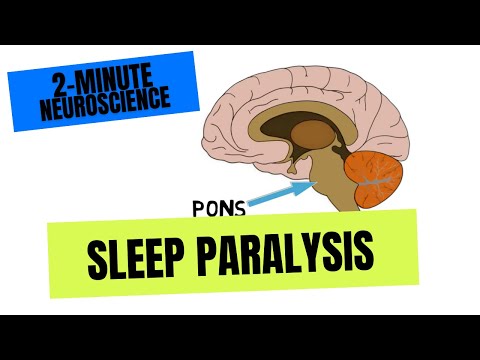
You ever wake up and find yourself totally unable to move? Like, your brain’s wide awake, but your body just won’t listen? That’s sleep paralysis, my friend.
It sounds pretty freaky, right? You feel trapped in your own body. And it can be disturbing, especially if you start seeing or hearing things that aren’t really there.
But here’s the thing: you’re not alone in this. A lot of people experience it. Some say it’s tied to stress. Others think it might have links to sleep disorders or just, well, lack of sleep.
So let’s dig into this whole sleep paralysis situation and see what’s up with it!
Exploring Sleep Paralysis: Is It a Psychological Issue or a Sleep Disorder?
Sleep paralysis is one of those freaky experiences that can leave you feeling totally bewildered and, honestly, a little scared. You might wake up one night, unable to move for what feels like an eternity—all while a sense of dread creeps in because you feel something ominous in the room. So, is this just a wild psychological trip or does it fall under sleep disorders? Let’s break it down.
First off, sleep paralysis happens when you’re caught between sleep and wakefulness. It’s like your mind has woken up, but your body hasn’t quite followed along yet. You’re aware of your surroundings, but dude, you can’t move or speak. Some people also experience hallucinations during this time—like seeing shadowy figures or feeling pressure on their chest. Terrifying stuff!
But is it psychological? Well, there are definitely psychological elements involved. Stress and anxiety can increase the likelihood of experiencing sleep paralysis. If you’re dealing with heavy stuff in life—work stress, relationship issues—you may find yourself facing these episodes more frequently. But that doesn’t mean it’s all in your head.
On the other hand, sleep paralysis is also linked to several sleep disorders. It’s often seen in folks who have narcolepsy—a condition where your body suddenly falls asleep at random times during the day—or those with irregular sleep schedules. You know how if you’ve been partying too hard or pulling all-nighters for a bit too long? Your sleep pattern can get messed up big time! That disruption can contribute to sleep paralysis incidents.
Here are some key points to consider about the relationship between sleep paralysis, psychology, and sleep disorders:
- Commonality: Sleep paralysis isn’t rare; most people will experience it at least once in their lives.
- Triggers: Stress and anxiety seem to be main culprits—so if you’re anxious about life stuff, watch out!
- Sleep schedule: Weird sleeping habits can play a huge role; think late nights or inconsistent bedtimes.
- Underlying conditions: Diagnosed conditions like narcolepsy often come with episodes of sleep paralysis.
You see? It’s not purely psychological or strictly a disorder—it’s this interesting mix of both. And while research is ongoing to understand it better, many people report that practicing good sleep hygiene—like keeping regular bedtimes and reducing stress—can help diminish occurrences.
So yeah! Next time you hear someone talk about their freaky encounter with sleep paralysis—or maybe you’re sharing your own story—you’ll know it’s a complex blend of both mind and body at play here!
Understanding Sleep Paralysis: How Common Is This Chilling Experience?
Sleep paralysis can feel pretty freaky, huh? You’re lying in bed, awake and aware, but you can’t move or speak. It’s that weird moment when your body is still asleep, but your mind is wide awake. Seriously, it can be chilling.
So, how common is this experience? Well, studies show that around 8% of the general population has experienced sleep paralysis at some point in their lives. That’s a noticeable number! But it’s even more frequent among certain groups. For instance:
- Students: College kids might face this more often due to irregular sleep schedules.
- People with sleep disorders: Conditions like narcolepsy are directly linked to higher rates of sleep paralysis.
- Those under stress: High stress and anxiety can mess with your sleep and trigger these episodes.
The experience itself usually lasts just a few seconds to a couple of minutes—although it feels way longer when you’re stuck in it. You might also notice other things happening during an episode. Some people hear strange sounds or feel an unsettling presence near them. It’s terrifying!
I remember chatting with a friend who described her first experience with sleep paralysis. She woke up one night and felt like something heavy was pressing down on her chest. She wanted to scream but couldn’t make a sound! The whole thing left her shaken for days.
Now what happens here is that it occurs when you’re transitioning between wakefulness and sleep—often right as you’re drifting off or waking up. Your brain might wake up before the rest of your body does; hence the inability to move or talk.
Another interesting point is that it’s often associated with REM (Rapid Eye Movement) sleep—the stage where we dream the most vividly. During REM, your brain sends signals that essentially paralyze your muscles so you don’t act out your dreams. But if you wake up during this stage without that muscle control wearing off? Yup, hello sleep paralysis!
Most of the time, there’s no need for treatment; it’s considered benign in most cases. However, if it’s happening frequently and impacting your daily life or causing anxiety about going to bed, talking to a healthcare professional could help.
So yeah, while it might feel unique and isolated when you go through it alone, trust me—lots of folks have been there too! You’re definitely not alone in this chilling experience of reality mixing with dreams at 3 AM.
Understanding the Connection Between ADHD and Sleep Paralysis: What You Need to Know
It’s kinda fascinating how ADHD and sleep paralysis can both mess with your head, right? So, let’s break this down and see what’s really going on.
First off, ADHD, or Attention-Deficit/Hyperactivity Disorder, is a condition that affects focus and self-control. People with ADHD often have trouble sitting still or paying attention. But did you know that many of them also struggle with sleep? It’s true! Issues like insomnia, restless legs, and even sleep disorders like sleep apnea are common among those with ADHD.
Now, here comes the cool part: sleep paralysis. This happens during the transition between wakefulness and sleep. Picture this: you’re wide awake in your mind, but your body just won’t budge. You can’t move or talk for a few seconds that feel way longer. Scary stuff!
So how are these two connected? Well, research shows that people with ADHD may be more likely to experience sleep paralysis. Here are a few reasons why:
- Sleep disturbances: People with ADHD often don’t get enough good-quality sleep. If you’re tossing and turning all night, it makes sense that you’d have more episodes of waking up unable to move.
- Increased stress: Managing ADHD can be stressful! And guess what? Stress impacts your sleep quality too.
- Napping habits: Some folks with ADHD take naps during the day which can impact their nighttime sleep cycle—leading to possibilities of experiencing those creepy moments of paralysis.
Let me tell ya a little story here. I once knew someone who had both ADHD and experienced crazy bouts of sleep paralysis. Every time they’d drift off for a nap or even after a long night’s rest, they’d wake up paralyzed at least once or twice weekly! When they worked on better managing their symptoms—like setting regular sleeping schedules—it really helped decrease those intense moments of paralysis.
But wait! There’s more to consider: while having ADHD might make you more prone to sleep paralysis, it doesn’t mean everyone with the disorder will experience it. It’s all about individual differences in biology and lifestyle choices too.
So what do we learn here? If you’re dealing with either condition—or both—paying attention to your sleep habits could be key in reducing those frightening episodes of not being able to move at night.
In short is simple: ADHD affects your overall health including how well you snooze, which in turn can lead to some pretty heavy stuff like sleep paralysis. Remember to look after yourself when it comes to rest! You deserve good quality zZZ’s without the scary interruptions!
Sleep paralysis can feel really eerie, like waking up but still being stuck in a dream. You know? It’s that strange limbo where your mind’s awake but your body just won’t budge. You might’ve heard stories about it or even experienced it yourself. It’s more common than you think, and honestly, it affects quite a lot of people.
Let me tell you a little story. I remember chatting with my friend Jamie one night about nightmares. She paused for a moment, her eyes wide, and said she once woke up paralyzed during a sleepover—couldn’t move an inch or even speak! There was this shadowy figure in the corner of the room, and she was convinced it was watching her. Yeah, super spooky! But then she learned that many folks have had similar experiences, which helped her feel less alone.
What’s wild is that sleep paralysis often happens during transitions between sleep stages—especially when someone is either falling asleep or waking up. Stress, sleepless nights, and irregular sleep schedules can really amp up the chances of experiencing it.
So yeah, while it can be pretty frightening for those who go through it, understanding what’s happening can take away some of the fear. People often describe feelings of dread or pressure on their chest too, which makes the whole experience even more intense. But here’s the kicker: once you realize you’re not alone in this weird little phenomenon, it somehow feels less daunting.
In short? Sleep paralysis is like this weird bridge between dreams and wakefulness that many people experience at some point. It’s not just you; it’s a shared thing—even if it’s not something we chat about every day over coffee! Understanding what goes on in our minds and bodies during those moments makes them feel a little less scary.