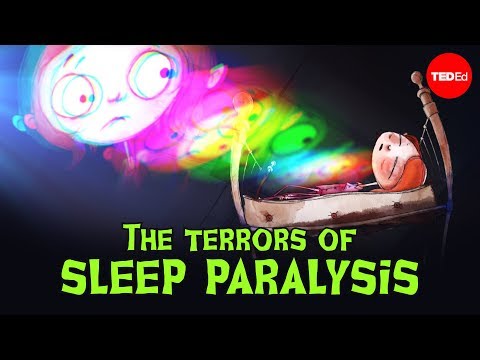
Hey! So, let’s talk about sleep paralysis. If you’ve never experienced it, consider yourself lucky. Seriously, it’s like your body’s wide awake but your mind is playing tricks on you.
Imagine lying there, unable to move, and feeling this crazy pressure on your chest. It can be downright terrifying. You might even see things—or worse, feel like something is watching you. Yeah, that’s a whole new level of creepy.
But what the heck is going on? Is it just a bad dream? Or something more? In this chat about sleep paralysis, we’ll dive into those wild psychological effects it has on us. I promise, it’s a fascinating journey!
Exploring the Mental Impact of Sleep Paralysis: Understanding Its Effects on Your Mind
Sleep paralysis is one of those things that sounds way more terrifying than it actually is, but like, seriously, it can really mess with your head. Imagine waking up and feeling totally frozen. You can’t move a muscle, but you’re fully aware of everything around you. Your heart races, maybe you see or hear things that aren’t even there. It’s not just creepy; it can have a deep impact on your mental health.
What Happens During Sleep Paralysis?
During sleep paralysis, your mind wakes up before your body does. This usually happens when you’re in between sleeping cycles—specifically during REM (Rapid Eye Movement) sleep when most dreaming occurs. So, picture this: you’re halfway between dreamland and reality, and bam! Your brain is awake but your body is still snoozing. It’s like being stuck in a bad limbo.
The Anxiety Factor
A lot of people who experience this describe intense feelings of dread or fear. You might feel like there’s a presence in the room with you. And honestly? That kind of anxiety can linger long after the episode ends. Think about it: if you wake up feeling terrorized once, it’s easy to get anxious about falling asleep again—like waiting for the next scary movie to start when you’re already on edge.
Impact on Sleep Quality
The cycle continues because if sleep paralysis scares the heck outta you, chances are you’ll start losing sleep or developing insomnia. Lack of quality rest can lead to a bunch of issues—mood swings, irritability, trouble focusing—basically turning into that cranky person no one wants to deal with!
Feeling Isolated
Many folks don’t talk about sleep paralysis because they think others won’t understand or believe them. This sense of isolation can change how you view yourself and might even put unnecessary pressure on your relationships. You may think nobody gets what you’re going through; suddenly talking about creepy dreams feels like taboo.
The Link to Mental Health Conditions
Interestingly enough, studies show that people who experience sleep paralysis might also deal with other mental health conditions like anxiety disorders or depression. It’s like these issues feed off each other—you get anxious about sleep which leads to more episodes of paralysis which then makes you feel low and lost.
You Aren’t Alone
It’s super important to know that if you’ve gone through this weirdness, you’re definitely not alone! A bunch of people have similar experiences—the same feelings and fears—and sharing stories can really help take that weight off your shoulders.
In short: sleep paralysis isn’t just an eerie event; it’s got real consequences for how we feel psychologically afterwards. Taking care of both our mental and sleep health is key here—it really helps break the cycle and make those nightly encounters way less stressful than they sound!
Understanding the Main Causes of Sleep Paralysis: Insights into This Disturbing Phenomenon
Sleep paralysis is one of those experiences that can really freak you out. Imagine being wide awake in your mind, but your body? Nope, it’s like it’s decided to take a vacation. You’re just lying there, unable to move, and sometimes you even see or hear things that aren’t really there. Sounds wild, doesn’t it? Let’s break down what causes this unsettling phenomenon.
Sleep paralysis usually happens during the transition between sleep and wakefulness. When you’re either falling asleep or waking up, your brain may become conscious before your muscles do. This disconnect can lead to a temporary inability to move or speak. Pretty unsettling stuff!
Stress and anxiety are big players in the sleep paralysis game. If you’ve been feeling overwhelmed lately—maybe work’s stressing you out or life just feels like too much—you might be more prone to experiencing these episodes. It’s like your mind is racing while your body is stuck in neutral.
Lack of sleep is another culprit worth mentioning. When you’re not getting enough Z’s, your sleep cycle gets all jumbled up. This disruption can make sleep paralysis more likely because your brain’s trying to catch up on REM (that’s the deep sleep where dreaming happens) when it shouldn’t be.
Some research points to sleeping on your back as another factor that could trigger these episodes. Yep, if you’re a back sleeper, you might want to pay attention! It seems this position can increase the chances of experiencing sleep paralysis because it affects how easily you transition between different sleep stages.
And let’s not forget about genetics! If someone in your family has had those spine-chilling moments of being frozen in bed, there’s a chance it could run in the family. It’s sort of like a genetic lottery that nobody wants to win.
But wait—there’s more! Sleep disorders, like narcolepsy or insomnia, can heighten your risk as well. These conditions mess with how well you cycle through different stages of sleep and make you more susceptible to those eerie awakenings.
Now here’s something interesting: many people who experience sleep paralysis report feelings of fear or dread during their episodes. It’s not uncommon for them to see shadowy figures hovering nearby or hear strange sounds, which adds an extra layer of terror to this already troubling experience. That mix of fear along with immobility can stick with you long after the incident is over.
So there ya have it! Sleep paralysis might feel super unsettling—and it totally is—but now you’ve got some insight into what might be causing this creepy phenomenon lurking at night. Understanding these factors can help ease some worries and maybe even help you find ways to manage them better when bedtime rolls around again!
Exploring the Connection: Can Sleep Paralysis Lead to Trauma?
Sleep paralysis is one of those phenomena that can totally freak you out. You know that moment when you wake up but feel frozen in place? It’s like your brain is awake, but your body just won’t cooperate. This can come with a side of hallucinations—scary ones, too—like feeling a weight on your chest or sensing a dark figure in the room. Many people experience this at least once or twice in their lives, but some find it happens way more often than that.
Now, you might be wondering if sleep paralysis can actually lead to trauma. Well, let’s break it down. The connection between sleep paralysis and trauma isn’t straightforward, but there are some important things to consider.
First off, experiencing sleep paralysis can be super distressing. People often describe feelings of dread or terror during an episode. Imagine waking up and not being able to move while feeling like something sinister is looming over you—it’s a nightmare! For someone who’s already dealing with anxiety or PTSD, these episodes can be even more overwhelming. They can amplify existing fears or create new ones around sleeping.
Here are some key points about how sleep paralysis might lead to trauma:
Think about someone who has had multiple episodes over time. They could end up with post-traumatic stress symptoms simply from those scary moments repeated night after night! It doesn’t always happen for everyone; some may brush it off while others are deeply impacted.
And here’s another angle: cultural beliefs. Depending on where you’re from or what stories you’ve grown up hearing about sleep paralysis (like the “old hag” myth), the fear surrounding these experiences could change how they affect you psychologically.
So yeah, while not everyone faces trauma after experiencing sleep paralysis, there’s definitely potential for it to become an emotional burden for some folks. There are ways to cope though! Talking to someone—a friend or therapist—can really help demystify the experience and lessen the fear attached to it.
In short? Sleep paralysis has a complicated connection to trauma—it depends on personal factors like existing mental health issues and how often these episodes occur. If you’ve been having these experiences consistently and they’re affecting your daily life, reaching out for support might be a good step toward easing that burden!
Sleep paralysis, huh? It’s that creepy experience where you wake up and, like, can’t move or speak for a few seconds or sometimes even longer. It’s kind of like being trapped in your own body. I mean, just imagine laying there, wide awake but feeling completely frozen! Yeah, it’s no picnic.
I remember chatting with a friend about her first encounter with it. She woke up one night and thought someone was sitting on her chest. Totally freaked out, right? She couldn’t scream or push them away. Just felt this heavy weight pressing down on her. Afterward, she was terrified to sleep again. That’s the thing—those moments can linger long after they’re over.
So what’s really going on here? Well, sleep paralysis usually happens when you’re waking up or falling asleep while your body is still in that super relaxed state of REM sleep. You see, that’s when your brain is buzzing with dreams but your muscles are kind of shut down so you don’t act them out. The catch is sometimes our minds wake up before our bodies do. That disconnection can lead to feelings of fear and anxiety during those paralyzed moments.
People often experience vivid hallucinations too—seeing figures, hearing voices, it gets real intense! Not gonna lie; these experiences can leave folks feeling anxious about going to sleep at all. It might even impact their mental health more than they realize. Anxiety can sneak in like an unwelcome guest after repeated episodes.
Plus, the narrative we create around these encounters often adds more weight to the whole thing—like associating it with paranormal activity or something sinister happening while you’re helpless. But the reality is way less spooky and honestly tied to some complicated brain stuff.
If you’ve been through this, know you’re not alone! It’s amazing how sharing stories can help ease the fear a bit and bring some comfort. Talking about those experiences might just make them feel less isolating—even if they still give you chills every now and then!