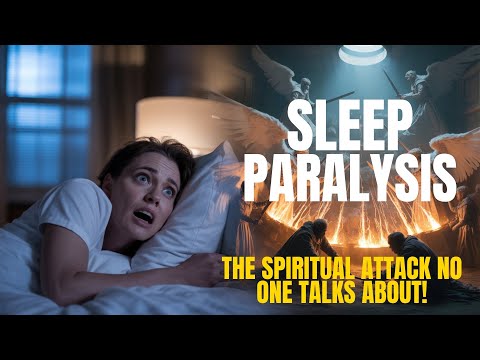
So, sleep paralysis, huh? That creepy moment when you wake up but can’t move or speak? It’s like your body is playing a prank on you. Seriously, it’s one of those things that can freak you out in the middle of the night.
Now, imagine mixing that with some thoughts about Jesus. Sounds pretty wild, right? But believe it or not, people have connected their experiences of sleep paralysis to spiritual ideas and figures.
Some see visions or hear sounds that feel deeply significant. Are they having a chat with the divine? Or is it just the brain acting up during sleep? It’s a fascinating mix of beliefs and science.
We’re gonna dive into this weird intersection of psychology and spirituality. Buckle up!
Exploring Sleep Paralysis: Is It a Demonic Encounter or a Sleep Disorder?
Sleep paralysis is one of those experiences that can feel terrifying, especially since it often comes hand-in-hand with feelings of dread. Imagine waking up, but your body feels completely frozen. You want to scream or move, but nothing happens. Instead, you might see or hear things that aren’t there. This is seriously unsettling, right?
So let’s get into what sleep paralysis actually is. It happens when you’re in that weird zone between sleeping and waking up. Your brain wakes up, but your body doesn’t. During REM (rapid eye movement) sleep, which is when most of the dreaming happens, your brain sends signals to prevent muscle movement. This stops you from acting out your dreams and potentially hurting yourself—pretty clever! But when you wake up during this phase and can’t move, that’s where sleep paralysis kicks in.
Now, some folks believe this experience is more than just a simple sleep disorder. They report seeing shadowy figures or feeling an evil presence in the room with them. It’s easy to see why people might interpret this as demonic activity or an actual encounter with something sinister—especially if they don’t know what’s happening.
In many cultures throughout history, people have linked sleep paralysis to supernatural causes. For example:
- Ancient myths: In various cultures, it was believed that evil spirits would come at night to suffocate or torment people.
- Modern interpretations: Some might think they’ve encountered a ghost or even a demon sitting on their chest.
But scientifically speaking— and I get it; this might be less thrilling—sleep paralysis is classified as a sleep disorder. Factors like stress,
irregular sleep schedules, and certain medications can contribute to it. So if you’re experiencing it often, maybe consider looking into your sleep habits.
A friend of mine once told me about their experience with sleep paralysis. They woke up one night feeling paralyzed and could’ve sworn they saw a dark figure standing at the foot of their bed. They were terrified! After doing some research and learning about the science behind it all, they realized it wasn’t some paranormal event; rather just a natural reaction from their body during an interrupted sleep cycle.
While some believe these experiences are linked to spiritual encounters—or even divine intervention—the truth usually lies somewhere between psychological phenomena and physical responses from our bodies. What we label as “demonic” often has logical explanations.
In short, if you’ve ever felt trapped in your own body while half-awake, you’re not alone when it comes to these wild experiences of sleep paralysis! And while those spooky tales are interesting legends to think about over coffee with friends, medical research backs up the idea that it’s primarily rooted in how our brain handles the transition between sleep and wakefulness—even though they feel anything but normal in the moment!
Exploring the Spiritual Connection to Sleep Paralysis: Understanding the Mysteries of Nighttime Disturbances
Sleep paralysis can be one of those really freaky experiences, you know? You’re in that half-awake state, but you can’t move, and it feels like there’s this heavy weight on your chest. Some people see shadowy figures or hear strange sounds, which makes it even scarier. Now, let’s dig into how some folks link sleep paralysis with spiritual beliefs—like seeing it as a kind of supernatural experience or a sign from above.
There’s this whole mix of cultural perspectives. Many people believe that sleep paralysis is not just a physiological issue but, instead, has a spiritual angle. In various cultures, it’s often interpreted through the lens of their own beliefs. For instance:
- In some traditions: It’s said to be the result of evil spirits or entities trying to invade your space while you’re vulnerable.
- Conversely: Other people view these experiences as a connection to higher realms or messages from spiritual beings.
It’s interesting how our minds work when we’re asleep. The brain can create intense scenarios that feel real. When someone sees an entity during sleep paralysis, they might think it’s a demon or perhaps even Jesus. There’s definitely a psychological twist here because our *emotions* influence how we interpret these experiences.
Let’s talk about how sleep science plays into this. When you’re in REM sleep, your brain is super active; that’s when dreaming happens. But if you wake up before your body ‘disconnects’ from the dream state, boom—sleep paralysis kicks in. You might find yourself grappling with the mix of fear and awe if you see something familiar… like Jesus!
For some people, experiencing such visions can feel comforting instead of terrifying; it’s almost like they’re receiving guidance. But that can really depend on someone’s beliefs and cultural background.
Now here’s where psychology bridges the gap between these *spiritual* interpretations and what’s actually happening physically. Stress and anxiety are huge factors for many who experience sleep disturbances:
- Stress: It ramps up during times of high anxiety and can contribute significantly to episodes.
- Anxiety disorders: For people with these issues, they might have increased occurrences.
One night my friend told me she had this terrifying episode where she couldn’t move; she saw a figure hovering over her bed—it felt so real! But then she remembered she was under stress due to work deadlines and family issues at the time. It’s wild how intertwined everything is.
While there isn’t scientific evidence tying sleep paralysis directly to spiritual messages or entities—people have been connecting those dots for centuries! Your own beliefs color what you experience during those moments, whether it’s grounding or unsettling.
So we’ve got this blend of psychological factors, sleeps science, and spiritual interpretations. It all mixes together in ways that reflect not just what happens when we close our eyes but also what we hold dear in our hearts and minds while we’re awake.
In short: Sleep paralysis can feel like walking that line between reality and something deeper—a fascinating yet eerie reminder of both our mind’s complexities and our spirit’s search for meaning during those dark hours of night.
Understanding Sleep Paralysis: Exploring Its Psychological Implications and Causes
Sleep paralysis can be a freaky experience, right? You’re caught between wakefulness and sleep, unable to move while feeling this insane pressure pressing down on you. And the weird part? A lot of folks report seeing things or feeling someone in the room. It’s enough to make anyone’s heart race.
So, what’s going on here? Well, sleep paralysis occurs when you wake up before your REM (rapid eye movement) cycle is fully done. During REM sleep, your body is pretty much paralyzed to prevent you from acting out your dreams, which is a good thing—unless you wake up during that phase. Suddenly, you’re aware but still in that dream-like state. It’s like being trapped in your own body!
There are several factors that can trigger this spooky phenomenon. Here are some key points to consider:
- Sleep deprivation: Not getting enough quality sleep can increase the chances of experiencing it.
- Sleep disorders: Conditions like narcolepsy or insomnia can pave the way for sleep paralysis.
- Stress and anxiety: High levels of stress may contribute significantly. Think about it—when’s your mind ever at peace?
- Sleeping position: Some studies suggest that sleeping on your back might make it more likely.
Now let’s talk about the psychological side of things. Sleep deprivation and anxiety are huge players here—your mental health can influence how often these episodes happen. You might find yourself feeling a heavy weight not just physically but emotionally too, amplifying feelings of dread during an episode.
Interestingly, many people report having religious or spiritual experiences during sleep paralysis. Some have even felt a presence as if someone—or something—was watching them. This brings us to a special angle: The connection between Jesus and sleep paralysis. Some folks interpret these eerie experiences through their religious lens, attributing them to spiritual encounters or messages from God.
Let’s not forget about how common this stuff is! Studies suggest that around 8% of people have experienced sleep paralysis at least once in their lives. That’s a pretty significant number!
If you’ve ever had an episode yourself—or know someone who has—you might connect with that sense of helplessness and fear during those moments. Like when Jamie described her experience: she woke up feeling pinned down, couldn’t scream or move, and saw what looked like shadows creeping toward her bed—it really shook her up for days.
So yeah, understanding sleep paralysis isn’t just about what happens physically; it dives deep into our psyche too. The next time someone mentions their wild night involving some creepy visions when they couldn’t move? Give ‘em a nod—it’s more common than you’d think! Just remember: you’re not alone in this bizarre journey through the night; many share those strange moments with you.
You know, sleep paralysis can be a really creepy experience. Just imagine waking up and not being able to move, feeling this heavy weight on your chest. It’s like being trapped in your own body! I’ve read stories where folks describe seeing shadowy figures or having this intense feeling of dread while they’re stuck there. It’s downright terrifying.
Now, when we connect that with something like Jesus, it adds a whole other layer. For many people, Jesus represents comfort and safety. So, if someone experiences sleep paralysis and sees something scary, they might instinctively call out to Jesus or feel His presence to cope with that fear. It’s fascinating how our beliefs can shape our experiences in such profound ways.
Psychologically speaking, sleep paralysis is often linked to stress and anxiety. When we’re overwhelmed with life—maybe work pressure or personal issues—our minds can really go haywire during sleep. Like, here you are trying to catch some Z’s and your brain just decides that it’s party time instead! The thing is, during those moments of paralysis, it can feel like there’s this battle between your fears and your desire for peace.
One study I came across mentioned that cultural influences play a huge role too. In some cultures, people interpret these experiences through the lens of their beliefs—like viewing the sensations as spiritual forces or even demonic entities trying to invade their space. So for someone deeply rooted in faith, what happens during sleep paralysis could be seen as a spiritual attack rather than just a psychological phenomenon.
And then there are the anecdotes from people who have had these experiences while praying or thinking about Jesus. Some say that when they felt overwhelmed by fear during an episode, simply focusing on their faith helped them transition out of it more smoothly. It’s this beautiful interplay between mental health and spirituality—how one can support the other.
But at the end of the day? Sleep paralysis is complicated; it’s tied into our emotions and beliefs in strange ways. If you find yourself grappling with those nighttime demons, don’t hesitate to lean on whatever gives you strength—whether that’s prayer or just talking things out with someone who gets it! You deserve restful nights free from those wild encounters!