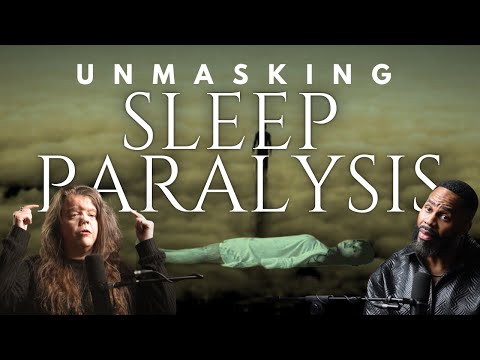
You ever wake up and feel like you can’t move? Super freaky, right? That’s sleep paralysis for you.
It’s that weird mix of being awake but feeling totally trapped in your own body. Some people say they see things too—like shadows lurking in the corners of their room. Chills, I know!
But here’s the kicker: folks have different takes on it. Some see it as purely a psychological thing while others think there’s something more… spiritual going on.
So let’s dig into what this really means for your mind and maybe even your spirit. It’s about to get interesting!
Understanding the Spirit Behind Sleep Paralysis: Causes and Insights
Sleep paralysis can be one of those really spooky experiences, right? You’re lying there, fully aware, but you can’t move. It’s like your body just hit the snooze button on life while your mind is wide awake. Seriously, it can feel downright terrifying. But behind that fear lies some interesting stuff to unpack about what causes it and its deeper meanings.
What’s Happening?
So, sleep paralysis typically happens when you’re waking up or falling asleep. Imagine your brain waking up while your body is still in sleep mode; it’s kind of like a glitch in the system. You see, during REM sleep—when most of your dreaming happens—your brain sends signals to keep your muscles relaxed so you don’t act out your dreams. Sometimes this process gets mixed up, and voila! You’re awake but stuck in your own body.
Causes
Though there’s no single cause for sleep paralysis, various factors can contribute to it:
- Sleep deprivation: Not getting enough ZZZs makes you more susceptible.
- Irregular sleeping patterns: Shifting sleep schedules—like big time zone changes—can really mess things up.
- Stress and anxiety: Feeling overwhelmed or living through tough times can crank up the chances.
- Sleep disorders: Conditions like narcolepsy or insomnia can increase episodes too.
Picture this: You’re super stressed from work or school and end up crashing on the couch instead of hitting the bed at a regular time. The next thing you know, you wake up unable to move… not fun!
The Spiritual Angle
Now, let’s get into some more spiritual interpretations that people often connect with sleep paralysis. Many cultures see this experience as something beyond just a scientific phenomenon. They might think of it as an encounter with another realm or even as a warning sign from the universe.
Some folks link sleep paralysis to the idea of a “spirit” sitting on their chest during these episodes. This imagery is often rooted in folklore across various cultures. In some traditions, people believe that these spirits are trying to communicate something crucial or reflect inner fears or unresolved issues within us.
Take Lucy’s story: She experienced sleep paralysis regularly and felt a heavy presence each time she couldn’t move. Instead of just fear, she began reflecting on parts of her life where she felt trapped—like her job and some personal relationships. Once she started addressing them, her episodes slowed down significantly.
The Bottom Line
While it’s easy to get swept away by fear during an episode of sleep paralysis, understanding what’s happening can help lessen that panic. You know now that it’s more common than you might think and usually nothing harmful physically—just frustratingly eerie!
So if you find yourself grappling with these experiences, remember that there’s more than meets the eye—and perhaps a chance for self-reflection waiting right there in those strange moments between wakefulness and dreaming.
Exploring Sleep Paralysis Through Shamanic Perspectives: Insights and Interpretations
Sleep paralysis is one of those bizarre experiences that can really mess with your mind. You wake up, totally aware of your surroundings, but you can’t move. It’s like your body just forgot how to function for a moment. This can be super scary! But different cultures have their own takes on what it all means, particularly through a **shamanic lens**.
In shamanic traditions, sleep paralysis isn’t just a physical experience; it’s often viewed through a spiritual lens. People might see it as a sign of something more profound happening. Shamans might interpret this state as an encounter with spirits or otherworldly beings. For instance, when someone feels a presence during sleep paralysis, shamans might think that the person has entered the spirit realm.
A fascinating aspect of shamanic perspectives is the idea that these moments are opportunities for growth and learning. During these paralysis episodes, individuals might receive messages or guidance from their ancestors or spirit guides. It’s believed that facing these fears can lead to personal transformation.
You know how some people describe having vivid visions or feelings during sleep paralysis? Well, in shamanism, these experiences could be seen as important communications from beyond our understanding. The feeling of weight on one’s chest? Some shamans say it represents an attempt by the spirit world to make contact—seriously intense stuff.
When you think about it, there might be other symbolic meanings tied to sleep paralysis too. Some interpret the struggle to move as a metaphor for feeling stuck in life or having unresolved issues needing attention. This aligns with the holistic view shamans usually take towards mental and spiritual health.
Some believers also suggest using rituals as coping mechanisms for sleep paralysis episodes. For example:
- Engaging in prayer or meditation before bed.
- Creating protective charms or symbols around your sleeping area.
- Engaging with nature and community practices.
These practices help build a sense of safety and grounding—that way you’re less likely to feel threatened by those strange encounters during sleep.
So yeah, while science looks at this phenomenon through the lens of REM sleep behavior disorder and other neurological factors, exploring it through a shamanic perspective opens up all kinds of avenues for interpretation and healing. If you’ve experienced this yourself or know someone who has, maybe consider how cultural backgrounds shape our understanding of such “unexplained” phenomena!
Understanding Sleep Paralysis: Exploring Its Spiritual and Psychological Significance in Christianity
Sleep paralysis can be a downright terrifying experience, right? You wake up, and you’re totally conscious but your body won’t move. That sense of helplessness is really unsettling. Some folks have even reported feeling an overwhelming sense of dread or seeing shadowy figures looming over them during these episodes. But what’s going on here? Let’s break it down a bit.
What is Sleep Paralysis? It’s basically when you find yourself stuck between wakefulness and sleep. Your brain wakes up, but your body hasn’t caught up yet. This can happen during the transition in and out of REM (Rapid Eye Movement) sleep, which is the stage when most dreaming occurs. In a way, this state can trigger some intense experiences because you’re half in dreamland and half in reality.
Now, let’s get to the juicy part—its spiritual significance, especially in Christianity. Some people believe that sleep paralysis is more than just a pesky sleep disorder; they see it as a spiritual event or even an attack from negative entities. Like, imagine waking up unable to move and feeling as if something dark is hovering over you. It can feel like you’re being watched or that there’s an evil presence right there with you! Yikes!
In Christian teachings, there are stories about demonic forces and how they might try to disrupt your peace or pose challenges on your faith journey. So for some believers, these experiences may be viewed as tests of faith or as moments calling for deeper prayer and reflection. It’s kind of this blend of psychological fear and spiritual significance.
Psychological Factors also play a big role here. Stress, anxiety, and sleep deprivation can heighten the chances of experiencing sleep paralysis. If your mind is swirling with worries about work or personal issues before bed, it could contribute to sleepless nights filled with these spooky episodes.
So, all this intertwines—mental state influencing experiences while asleep might make it seem spiritual for some folks encountering these odd phenomena.
But here’s another thing: many people who’ve experienced sleep paralysis report it feeling eerily similar regardless of their backgrounds or beliefs. It’s fascinating how this phenomenon transcends just one culture or belief system!
Some point out that if you’re aware of what’s happening—like understanding that it’s just temporary—you can often ease into it better next time it occurs. Practicing grounding techniques or calming routines before bed may also help ward off those pesky night terrors.
In short, whether viewed through a spiritual lens in Christianity or understood within psychological frameworks focusing on stressors and anxiety—it all boils down to how we perceive these jarring episodes. Whatever makes sense for you personally is valid! Understanding enhances our response; knowing it’s common may lessen its power over us when those shadows creep back in again.
So next time someone mentions their crazy encounter with sleep paralysis—even if it seems kind of creepy—remember there’s often more to the story than just terrorizing nights!
So, sleep paralysis—it’s one of those things that can really freak you out. Imagine you’re lying there, wide awake but totally unable to move. You might feel this heavy weight on your chest and even see shadows or hear whispers in the dark. It’s like being stuck in a nightmare while you’re technically awake. What’s that all about, right?
I remember the first time it happened to me. I woke up one night, heart racing, convinced I saw someone standing at the foot of my bed. I tried to scream, but nothing came out. After what felt like forever (but was probably just a minute or two), I finally snapped out of it and could move again. It left me shaken and a bit confused about what had just happened.
The thing with sleep paralysis is that it’s not just a spooky experience; there’s a lot more going on under the surface—psychologically speaking, at least. Some experts think it happens when your brain wakes up before your body does during REM sleep, which is when dreams happen. But hey, it gets more interesting than that!
Culturally, sleep paralysis has been interpreted in so many ways throughout history—like some people believed it was a demon sitting on their chest or even an encounter with spirits! The feelings of fear and despair during an episode can lead folks to think there’s something supernatural behind it all—like maybe they’re being visited from beyond.
This blend of psychological and spiritual interpretations makes sleep paralysis especially unique because it touches on some deep feelings about control and vulnerability. You might feel like something outside yourself is holding you down or invading your space when really it could be more about your own mind playing tricks.
But here’s the kicker: these experiences can also be opportunities for self-reflection once you get through them. Some researchers suggest that understanding these moments might help us tap into our deeper fears or unresolved issues—weirdly enough! Like examining what keeps us feeling stuck in life—or what we’re afraid of facing.
So yeah, whether you’re chalking it up to science or something more metaphysical, there’s no right answer here. Either way, sleep paralysis is kind of an emotional rollercoaster—you wake up feeling paralyzed by fear but end up with this chance to explore what’s really going on inside your head—and maybe even your heart too!