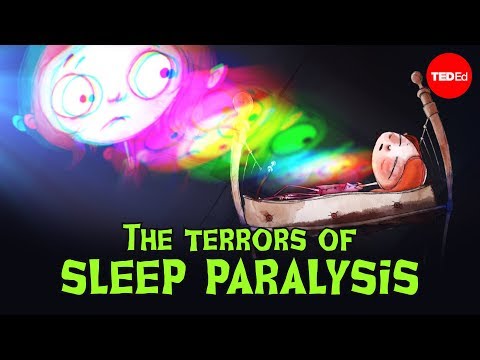
You know that feeling when you wake up, but your body just won’t move? Yeah, that’s sleep paralysis. Super creepy, right?
Imagine you’re totally aware of your room, but can’t do anything. It’s like being stuck in a bad dream. Some people see bizarre shadows or feel a heaviness on their chest. It can be terrifying!
But here’s the thing—there’s a lot more to it than just fear. The way our minds work during these moments is pretty wild. It’s not just random; there are some interesting psychological bits going on.
So, let’s chat about what sleep paralysis really means. You might find it’s not just spooky but kinda fascinating too!
Understanding Sleep Paralysis: The Psychological Factors Behind This Mysterious Condition
Sleep paralysis is one of those spooky things that can happen when you’re just about to wake up or fall asleep. Picture this: you’re lying in bed, feeling completely awake, but you can’t move. It might freak you out, and trust me, you’re not alone in feeling that way.
So, what’s going on with sleep paralysis? Well, it’s your body and brain having a bit of a communication breakdown. When you sleep, your brain goes through different stages. During the REM (Rapid Eye Movement) stage, your brain is super active, and that’s when most dreaming happens. To keep you from acting out your dreams—like running away from monsters or flying—you temporarily lose muscle tone. But if you wake up before this stage is finished? You end up wide awake but unable to move—total bummer!
This experience can feel like you’re caught between two worlds. Your mind is alert, but your body isn’t responding. It can get even weirder with hallucinations—like seeing shadows or feeling pressure on your chest. Many folks say it feels like something sinister is lurking nearby; it’s no wonder it’s been linked to creepy folklore throughout history!
- Anxiety and Stress: Research shows that high stress levels can increase the likelihood of sleep paralysis episodes. If you’re juggling too many things at once or feeling anxious about life in general, your chances of experiencing this might go up.
- Sleep Disorders: Conditions like narcolepsy are closely linked to sleep paralysis. So if you’re already having trouble with sleep patterns, this could add another layer of fun…not!
- Lack of Sleep: Not getting enough Zzzs definitely plays a role here. If you’re burning the candle at both ends and not clocking in those recommended hours asleep, don’t be surprised if sleep paralysis drops by for a visit.
You know how sometimes we overlook the psychological side of things? Like letting our feelings pile up without any outlet? Well, studies suggest that stressful life events—death in the family, relationship issues—can trigger episodes too. It seems like those experiences hang around in our subconscious while we’re sleeping.
I remember talking to a friend who had his first episode during finals week at college. He was overwhelmed with studying and hardly slept at all. One night he woke up unable to move; he swore he saw shadows dancing on his walls! That experience shook him up for days.
The good news? You don’t have to just live with sleep paralysis; there are ways to manage it! Working out stress through relaxation techniques or therapy might help reduce episodes over time. Establishing a calming bedtime routine could also work wonders: dim lights, no screens before bed; you get the idea!
In short: while sleep paralysis can feel intense and overwhelming—and let’s face it, downright creepy—it often has roots in psychological factors like stress and lack of sleep. If you ever find yourself stuck between waking and sleeping again? Just remember it’s not supernatural; it’s mostly your brain keeping things interesting!
Understanding Sleep Paralysis: Freud’s Insights on the Mind’s Nightmares
Sleep paralysis can be one of the freakiest experiences ever. You’re wide awake, but you can’t move or speak, and sometimes there’s a feeling of pressure on your chest. You might even see shadowy figures around you. Sound familiar? You’re definitely not alone in this.
Freud had some pretty intriguing ideas about sleep and dreams. He believed that our subconscious could spill over into our dreams, especially during sleep paralysis. He suggested that these episodes reveal deep-seated fears and unresolved conflicts. Imagine you’re stressed about something big in your life—it could come out when you’re caught in sleep paralysis.
So, what happens during sleep paralysis? It usually occurs when you’re transitioning between sleep stages, particularly from REM (Rapid Eye Movement) to wakefulness. During REM, your brain is super active; it’s where most dreaming happens—but your body is basically paralyzed to prevent you from acting out those dreams. Sometimes, though, that paralysis lingers a bit longer than it should.
But let’s get into Freud’s insights a little more. He thought that the feelings of helplessness during sleep paralysis could symbolize feelings of powerlessness in daily life. If you’re dealing with anxiety or stress—like work pressure or relationship issues—those emotions can creep into your nighttime experiences. In a way, it’s like your mind is trying to process these feelings while you’re asleep, even if it feels terrifying.
Some people report seeing figures or shadows while experiencing sleep paralysis. Freud might say these figures represent parts of our psyche we’re grappling with—maybe unresolved fears or even guilt about something we haven’t dealt with yet.
Also, cultural factors play a role here! Different cultures have their own explanations for sleep paralysis—the “old hag syndrome” is one example where people feel like an evil presence is sitting on their chest. This shows how personal and cultural beliefs shape our interpretations of such experiences.
If you ever find yourself waking up paralyzed, remember it’s usually harmless and temporary! It might be worth looking into your stress levels or sleeping habits because better rest can reduce the frequency of these episodes.
In summary, understanding sleep paralysis through Freud’s lens gives us a unique perspective on what’s happening inside our minds at night—an invitation to explore how our daytime worries can manifest after dark. So whether it’s fear, anxiety, or just some bad pizza before bed, there’s often more beneath the surface than meets the eye!
Chilling Insights: 10 Creepy Facts About Sleep Paralysis You Need to Know
Sleep paralysis is that weird and spooky experience where you wake up but your body just won’t cooperate. You feel trapped, sometimes even surrounded by a dark presence, and you can’t move or speak. It’s totally unsettling! But there are some fascinating insights about it that can help you understand this creepy phenomenon a bit better. Here are some chilling facts to consider:
1. It’s More Common Than You Think
Most people experience sleep paralysis at least once in their lives. Some studies suggest it happens to about 8% of the general population regularly. So, if you’ve been there, you’re not alone.
2. It Can Happen During Naps
You might think it’s just a night-time thing, right? But nope! Sleep paralysis can also hit during daytime naps, especially if you’re sleeping at odd hours or after pulling an all-nighter.
3. Sleep Position Matters
Research has shown that sleeping on your back can increase the chances of experiencing sleep paralysis. When you’re face-up, your body might feel more relaxed than usual, leading to that scary feeling of being unable to move.
4. Hallucinations are Common
Many people report feeling as if someone (or something) is in the room with them during these episodes. These hallucinations can be auditory or visual—like hearing whispers or seeing shadowy figures—which makes this whole experience even scarier!
5. Stress and Anxiety Play a Role
There’s a strong link between sleep paralysis and high levels of stress or anxiety. If life feels overwhelming, your chances of facing those creepy nightly encounters may increase too.
6. It Often Occurs Alongside Other Sleep Disorders
People who have narcolepsy or insomnia often report sleep paralysis more frequently than others. It seems like these conditions can create an environment where sleep issues thrive.
7. Cultural Interpretations Vary
Different cultures have unique explanations for sleep paralysis experiences—like demons or spirits sitting on people’s chests while they’re asleep! These interpretations reflect how universal but also different this phenomenon can be across various societies.
8. Brain Activity Changes
During an episode of sleep paralysis, your brain waves are similar to when you’re awake but your body isn’t responding like it should due to REM atonia—a natural state where your brain stops communicating with your muscles while dreaming.
9. Treatments Exist
Even though it’s scary when it happens, there are ways to manage and reduce occurrences! Better sleep hygiene practices, therapy for anxiety or stress relief, and sometimes medications prescribed by a doc can help ease things up.
10. You Can Learn Techniques to Cope
Many folks who have regular episodes find grounding techniques helpful when they feel that familiar weight settle in during an episode—like focusing on wiggling their toes or breathing deeply to regain control over their bodies.
So yeah, while sleep paralysis can be super creepy and unsettling—it often stems from totally normal issues like stress and anxiety combined with certain sleeping patterns—not some dark omen waiting to catch you off guard in the night! Understanding the why behind those weird experiences might help take away some of the fear next time you find yourself unable to move while half-dreaming away.
Sleep paralysis can be, like, really unsettling. Picture this: you’re lying in bed, half-awake and then suddenly, you can’t move. You see shadows dancing in the corner of your room or feel this weight pressing down on your chest. It’s pretty terrifying, isn’t it? I mean, it’s like your mind’s awake but your body just won’t listen.
So here’s the thing—this eerie experience isn’t just a figment of your imagination. Psychologically speaking, it ties into sleep disorders and our overall mental state. Stress and anxiety can totally ramp up the chances of having these episodes. When life gets overwhelming—like when you’ve got deadlines looming or personal stuff piling up—your brain might take that chaos and turn it into something outlandish while you’re sleeping.
I remember talking to a friend once who’d been through these episodes regularly. He described one night he thought he was being pinned down by something sinister. The fear was real; even after waking up, he felt that weight for hours. It left him jittery all day. That sense of dread can linger long after the episode is over.
What’s wild is how different cultures interpret sleep paralysis experiences too! In some places, people think it’s like an evil spirit suffocating them or a witch riding their chest. Those interpretations reflect how deeply intertwined our fears are with our cultural backgrounds and beliefs.
The science behind sleep paralysis is fascinating too! It usually happens during transitions between sleep stages—like when you’re moving from REM (that dreamy stage) to wakefulness but your body doesn’t catch up right away and gets stuck in that muscle atonia state where you can’t move at all.
Exploring these psychological insights can kind of help normalize the experience for those going through it—making them realize they aren’t alone or crazy for feeling this way. And hey, if anxiety’s sparking those episodes? Finding ways to manage stress—whether through therapy, meditation, or just chatting with friends—can really help reduce those occurrences over time.
In short, sleep paralysis is more than just a spooky story; it’s also a peek into how our minds work under pressure when we’re catching Zs. It shows us that caring for our mental health plays a big role in not just how we feel while we’re awake but even in those vulnerable moments when we’re asleep too!