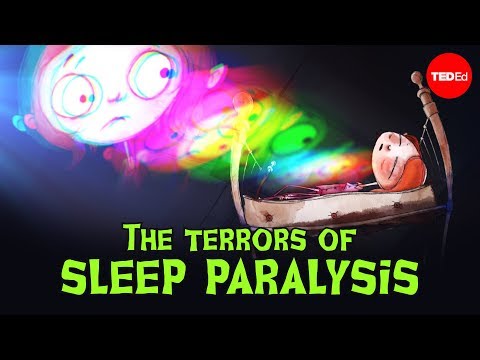
Okay, so, sleep paralysis. Ever heard of it? It’s that weird thing where you wake up and can’t move. Scary stuff, right?
Imagine this: you’re lying in bed, totally aware of your surroundings, but your body feels like it’s stuck in quicksand. You can’t scream, can’t wiggle a finger. Yikes!
And here’s the kicker. You might feel this creepy presence hovering over you. Sounds like a horror movie, huh? But there’s more to it than just the fright factor.
It’s not all ghosts and ghouls; there’s a psychological twist to it. Why does it happen? What’s going on inside our heads when we’re caught in this eerie state? Let’s unpack that together!
Understanding Sleep Paralysis: Why It Happens When You Sleep on Your Side
Sleep paralysis can be a seriously freaky experience. You’re awake, but you can’t move or speak. It’s like being stuck in your own body, and it usually lasts just a few seconds to a couple of minutes. For some people, it feels like there’s this heavy weight on their chest, or they might even have hallucinations. That sounds intense, right?
So, why does this happen when you sleep on your side? Well, sleep paralysis occurs during the transition between wakefulness and sleep—basically, when your brain is waking up but your body hasn’t caught up yet. When you’re lying on your side, there are a few factors at play.
1. Sleep Position Matters: Research suggests that certain sleeping positions can impact how often sleep paralysis occurs. Although it can happen in any position, it seems to happen more frequently for folks who are sleeping on their backs or sides. Maybe it’s because those positions might make breathing trickier or cause more pressure on the body.
2. REM Sleep Connection: During the night, you go through different stages of sleep. The REM (Rapid Eye Movement) stage is when most dreaming occurs and where muscle atonia kicks in—that’s basically where your brain tells your muscles to chill out so you don’t act out your dreams. If you wake up suddenly while in this stage—especially if you’re on your side—you might find yourself experiencing that paralysis.
3. Stress and Anxiety: Look, stress can throw a wrench into our sleep cycles big time! If you’re dealing with anxiety or high stress levels, you’re more likely to have disrupted sleep patterns which can lead to episodes of sleep paralysis when lying down to rest.
Let me tell you a quick story: One night after pulling an all-nighter for exams (classic student move), my friend decided to crash hard on her side without any real chill-down routine before bed. She woke up unable to move and saw what she thought was a shadowy figure looming over her! Total panic mode! After gathering herself and doing some reading later on, she found that stress mixed with exhaustion played a huge role in her experience.
4. Sleep Disorders: Conditions like narcolepsy can increase the likelihood of experiencing sleep paralysis too. If someone has narcolepsy and tends to nap often during the day only to end up sleeping awkwardly on their side at night – yeah – they may find themselves facing these episodes more regularly.
5. Genetic Factors: There’s also some evidence suggesting that if someone in your family has experienced sleep paralysis before—like maybe it runs in families—it could increase your chances too.
So the takeaway here is that while sleep paralysis can be super scary—especially when you’re caught off guard while snoozing on your side—it’s usually harmless and tends to fade over time for many people. But if it’s happening consistently or affecting how well you live life (like keeping you from getting decent rest), talking with a healthcare provider about it might be wise!
And remember: You’re not alone in this weird phenomenon; plenty of folks have gone through something similar! Just keep an eye on stress levels and try mixing up the way you catch those Zzz’s if you think it might help!
Understanding Sleep Paralysis: Is It a Psychological Issue or a Sleep Disorder?
Sleep paralysis can be a pretty terrifying experience, right? Imagine waking up but feeling completely unable to move. It’s like your body is stuck while your mind is fully awake. Some people say they feel a heaviness on their chest or even see shadowy figures in the room. Sounds creepy, huh?
So, is sleep paralysis more of a mental health issue or just a sleep disorder? Well, the answer isn’t super clear-cut. It’s a mix of both! Let’s break it down.
What Happens During Sleep Paralysis?
During sleep paralysis, you experience an overlap between rapid eye movement (REM) sleep and wakefulness. Normally, when you dream, your body goes into a sort of protective mode where it doesn’t move—this prevents you from acting out your dreams and possibly hurting yourself. But if you wake up before this phase is done, well…you don’t have control over your body for a moment.
Psychological Factors
Now, let’s chat about the psychological aspect. Stress and anxiety can really mess with your sleep patterns. If you’re dealing with high levels of stress or have been through some emotional turmoil (like losing someone close), you’re more likely to experience sleep paralysis. Basically:
- Stress: Think of stress as that friend who overstays their welcome; it keeps you tense and alert.
- Anxiety: If your mind is racing while trying to sleep, it can lead to that combination of awake yet not able to move.
- Sleep Deprivation: Not getting enough z’s makes everything worse; fatigue can trigger those episodes.
Cultural Factors
Interestingly, cultural beliefs play into how people interpret these experiences too. In some cultures, they might see it as supernatural or even connected to spirits! So if someone in one culture sees a shadowy figure during an episode, they might describe it differently than someone else who thinks it’s just an «episode.»
A Sleep Disorder?
On the flip side, there are physical aspects at play here too. Sleep disorders like narcolepsy are directly linked to experiencing sleep paralysis more frequently. Narcolepsy messes with how and when you cycle through those stages of sleep:
- Narcolepsy: This condition causes sudden bouts of deep sleep at weird times—definitely not fun!
- Irregular Sleep Schedule: If you’re all over the place with when you hit the hay or get up every day, you’re setting yourself up for trouble.
Treatment Options
So what can help? Well:
- Lifestyle Changes: Regular sleep schedules help train your body on when to rest.
- Anxiety Management: Therapy or mindfulness practices might ease the mind and reduce occurrences.
It’s crucial to find what works for you personally because everybody’s different! You might even want to talk with a healthcare professional if it’s seriously affecting your life.
In summary—sleep paralysis exists in this nifty gray area where psychology meets physical health. Understanding **both sides** helps build better solutions for managing those scary nights when you’re caught between dreamland and reality! So take care of yourself—you deserve good rest!
Exploring Freud’s Insights on Sleep Paralysis: Understanding the Unconscious Mind
Sleep paralysis can be a seriously unsettling experience. Imagine waking up, unable to move or speak, and feeling a weight on your chest. It sounds like something straight out of a horror movie, right? Well, Freud had some interesting thoughts about this condition and how it connects to our unconscious mind.
Freud believed that our dreams and subconscious are deeply intertwined with our waking life. He thought that sleep paralysis might be more than just a physical phenomenon; it could also point to unresolved conflicts or anxieties lurking in our minds.
In this sense, sleep paralysis could be seen as a reflection of inner turmoil. When you’re caught between sleep and wakefulness, your body might be releasing pent-up emotions or fears that you haven’t fully addressed during the day.
Here are some key points on how Freud’s insights relate to sleep paralysis:
So let’s talk about what that might look like in real life. Imagine someone who has been stressed at work—constant deadlines piling up, feeling overwhelmed—but they don’t really confront those feelings directly. Then at night, during sleep paralysis, their body might react by freezing up as if it’s trying to protect itself from facing scary emotions.
Another interesting part is how cultural beliefs play into these experiences too. In different cultures, people often interpret sleep paralysis through their own lenses—sometimes viewing it as supernatural or spiritual encounters rather than psychological phenomena.
The thing is, understanding these experiences through Freudian lenses can help in facing those hidden fears or conflicts head-on instead of burying them deeper in your subconscious.
So next time someone says they’ve had an episode of sleep paralysis, maybe remind them that it’s not just about what happens physically—it could also point to some stuff that needs sorting out in their emotional world. Being aware of this connection between our feelings and such experiences might just make those nights a bit less terrifying!
So, sleep paralysis, huh? It’s one of those things that can freak you out big time. Imagine this: you wake up in the middle of the night, and you’re completely aware of your surroundings but totally unable to move. Your heart’s racing, and there’s this weight on your chest. Sounds familiar?
I’ve read a lot about it, and it’s got these deep psychological layers. Basically, sleep paralysis happens during that weird transition between wakefulness and sleep. Your brain is awake, but your body is still in dreamland mode. And sometimes it’s like, hey! Let’s throw in a hallucination just for fun—like seeing shadows or feeling like someone’s right there with you! It’s like a horror movie playing out in your own bedroom.
When I was younger, I went through this phase where sleep paralysis was all too common for me. One night, I found myself staring at the ceiling while I desperately wanted to scream—couldn’t move an inch. It felt like an eternity before I snapped back to reality. And at the time, my mind raced with fear—was someone in my room? Why could I see those dark figures lurking? Turns out it’s just my mind playing tricks.
From a psychological viewpoint, stress and anxiety can really crank up the odds of experiencing sleep paralysis. So if you’re juggling life’s stresses or not getting enough zzz’s (which we all know isn’t easy sometimes), guess what? Your chances might spike! And while it can feel isolated when you’re locked in that paralyzed state, knowing others have similar experiences can help diminish the fear.
The real kicker here is how our minds work during those intense moments. You’d think being aware would make it easier to rationalize what’s happening, but nope! Anxiety takes over; suddenly everything feels super real—even if logically you know you’re safe.
People often suggest stuff like focusing on your breathing to ground yourself or even trying to move just your toes or fingers—anything really—to shake off that feeling of helplessness. It’s wild how something as simple as that can shift your experience.
So yeah, sleep paralysis is more than just a freaky night scare; it’s got roots in our mental state and stress levels too. If you’ve experienced it yourself—or even if you haven’t—it’s definitely worth thinking about how intertwined our minds and bodies are when we’re so vulnerable in sleep mode.