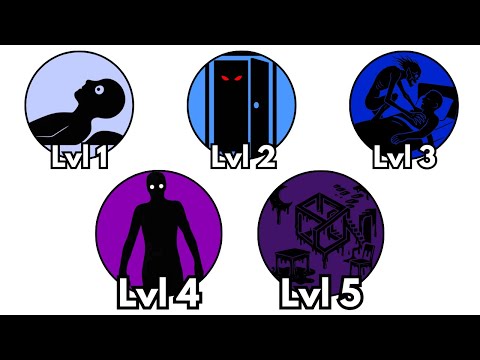
Okay, so let’s talk about something super weird—sleep paralysis.
You know that creepy feeling when you wake up and can’t move for a bit? Ugh, it’s like your body is playing a prank on you.
But what if I told you there’s a connection between your sleep position and those freaky episodes? That’s right!
It’s not just random; science has some thoughts on this.
So grab a snack and settle in, because this is going to be a wild ride through the sleepy world of nightmares and how you snooze.
Exploring the Spiritual Aspects of Sleep Paralysis: Myth or Reality?
Sleep paralysis is one of those experiences that can freak you out, right? You’re lying there, fully aware of your surroundings, but you can’t move a muscle. It’s like being stuck in your own body. Some folks say it feels otherworldly or spiritual, while others stick to the science behind it. Let’s explore both sides without getting too heavy.
First off, the scientific explanation. Sleep paralysis happens when you wake up from REM sleep but your body hasn’t fully kicked back into gear. In REM sleep, your brain is super active and dreaming, but your body essentially shuts down to stop you from acting out your dreams. Sometimes this “shutdown” lingers a bit too long. You might see or hear things—like shadows or whispers—that aren’t really there. This can happen more frequently if you’re sleeping on your back.
Now, about those spiritual aspects. Many cultures have their own stories about sleep paralysis. Some people believe it’s a sign of something supernatural, or they feel like there’s an entity pressing down on them. It’s interesting how different myths pop up in various cultures—like the «Old Hag» in some folklore where a witch sits on your chest during these episodes.
In fact, being aware of your sleeping position is super important here. Research suggests that sleeping on your back increases the chances of experiencing sleep paralysis. So if someone combines that with cultural beliefs about spirits or demons visiting during these episodes, it could easily make them feel even more vulnerable and explain why some think there’s a spiritual connection.
But let’s not totally dismiss psychological factors. Stress and anxiety play huge roles in sleep quality and can trigger these episodes too. If you’re feeling overwhelmed in life—maybe work is stressing you out or personal issues weigh heavy—it can manifest at night with sleep disruptions and possibly lead to paralysis events.
There are also tales of out-of-body experiences. Some people who’ve had sleep paralysis claim they felt like they were floating above their bodies or looking down at themselves sleeping—yikes! That sure takes it to another level in terms of feeling like something spiritual is happening.
So, are we looking at myths or realities? Well, it’s kind of both! There are solid psychological roots behind what happens during sleep paralysis along with strong cultural interpretations steeped in spirituality and myth-making across different societies.
Given all this chatter around sleep paralysis and its ties to positions we choose at night plus our emotional states—it shows how our brains work overtime while we’re asleep and how our beliefs shape our understanding of these freaky experiences.
If you’ve ever thought you experienced something spiritual during an episode of sleep paralysis, you’re definitely not alone! Remember though: whether you’re exploring reality through psychology or mythology through culture—the journey into understanding can be pretty wild!
Effective Techniques to Overcome Sleep Paralysis and Regain Control
Sleep paralysis can be a seriously creepy experience. You’re kind of awake but totally unable to move, and it can feel like an elephant’s sitting on your chest. The thing is, it often ties in with your sleep position and how your body is set up while you snooze.
First off, sleep paralysis happens when you’re between waking up and falling asleep. It’s like your brain is awake, but your body hasn’t caught up yet. This can lead to hallucinations or a sense of pressure that feels all too real.
A lot of research links sleep paralysis to certain body positions. For instance, sleeping on your back seems to be a major trigger. It’s thought that when you’re lying flat, your airway could get restricted or the way you breathe changes. So, switching how you nap might help ease the situation.
Here are some techniques that could help you overcome it:
- Change Your Sleep Position: Try sleeping on your side instead of your back. This small tweak could reduce episodes significantly.
- Create a Sleep Routine: Go to bed and wake up at the same time every day. A consistent schedule can help regulate your sleep cycle.
- Avoid Stimulants: Cut back on caffeine and alcohol before bedtime. These can mess with how deeply you sleep.
- Practice Relaxation Techniques: Wind down before bed using yoga or meditation. These practices can relax both your mind and body.
- Stay Calm During an Episode: If it happens again, try focusing on moving just one finger or toe. Sometimes even shifting your breath helps break the paralysis.
Seriously, I remember hearing about someone who would wake up paralyzed after dozing off on their back—totally felt trapped until they figured out their body was just playing tricks on them.
You know, understanding the psychological aspect helps too. Anxiety or stress often create a perfect storm for sleep issues like this. If you’re dealing with a lot mentally during the day, that tension may spill into nighttime episodes.
If these techniques don’t seem to work after trying them for a while, talking to a professional might be worthwhile—maybe even consider a sleep study if things persist.
In any case, know that it’s not just you going through this weird experience; many people do face something similar!
Understanding Sleep Paralysis: What Happens When You’re Woken Up During an Episode?
Sleep paralysis can be a really freaky experience, you know? Like, one minute you’re dreaming away, and the next, bam! You’re awake but can’t move. It’s super weird and often terrifying. But what’s going on in your body during those moments? Let’s break it down.
When you go to sleep, your body goes through different stages. During REM (rapid eye movement) sleep, you dream, and your brain is super active. But to keep you from acting out those dreams, your brain sends signals to basically tell your muscles to chill out. This muscle paralysis is normal and protective.
Now, sleep paralysis happens when you wake up from REM but still have some of that muscle paralysis hanging on. You might find yourself lying there wide awake but unable to move a single muscle! It’s like being stuck in your own body—sounds awful, right?
Sometimes people see or hear things during these episodes—like shadowy figures or weird noises—making it even scarier. These hallucinations are pretty common because the brain is still transitioning between sleep and wakefulness.
Here’s where the body position comes into play. Research shows that sleeping on your back can increase the likelihood of experiencing sleep paralysis. When you’re flat on your back, it puts pressure on certain parts of your body and may affect how easily you wake up from REM sleep.
Also, if you’ve been stressed out or not getting enough sleep, you’re more likely to experience this phenomenon. Let’s say someone has a rough day at work and hits the sack exhausted; they might end up having a bout of sleep paralysis if they’re sleeping in a vulnerable position.
In sum, when you’re jolted awake during an episode of sleep paralysis:
- Your brain is still waking up from REM.
- Your muscles are stuck in «sleep mode.»
- Your body position matters. (Back sleepers beware!)
- Stress or lack of sleep increases risk.
It happens more than you’d think—lots of people have had this happen at least once in their lives! It can feel intense and overwhelming, but understanding what’s happening in your body can help lessen that fear next time it occurs. Just remember—you’re not alone in this wild ride called sleep!
You know, we often don’t think about how our body posture relates to our mental state, but here’s where it gets interesting. Sleep paralysis is this kind of creepy experience where you wake up and can’t move – your brain’s awake, but your body isn’t. It can feel like you’re trapped in your own body, which is super unsettling, right?
What I’ve read suggests that your sleep position might actually play a big role in whether you experience these episodes. For instance, sleeping on your back seems to be a common position linked with sleep paralysis. I remember a friend once sharing how he’d wake up unable to move after sleeping flat on his back. He said it felt like something was holding him down! He changed his sleep position to his side and noticed less frequent episodes since then. That’s kind of wild when you think about it.
There’s some research hinting that certain bodily positions can increase the likelihood of these paralysis episodes, maybe because they affect airflow or muscle relaxation during sleep. But honestly, it’s still not totally clear how everything ties together. Some people just seem more vulnerable to sleep disturbances based on their biology or stress levels too.
So anyway, if you’re someone who has dealt with sleep paralysis, maybe consider how you’re positioned while snoozing! It’s kind of neat (and a bit mind-boggling) how something as simple as the way you lay down at night can mess with your mind – literally!