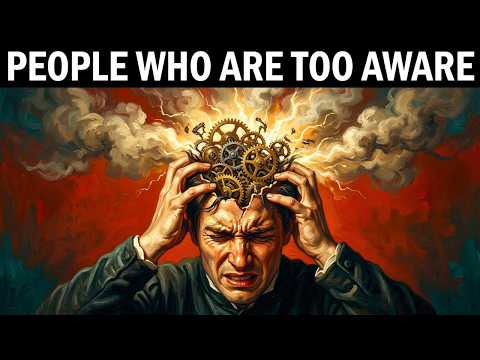
You know that feeling when you’re stuck? Like, not just physically, but also mentally? Yeah, that’s a tough space to be in.
Imagine looking at yourself in the mirror and feeling totally disconnected. Seriously, it’s like watching a movie where you’re just not the main character anymore.
A lot of people go through this, especially if they’ve faced some kind of paralysis. It’s wild how your mind can play tricks on you, right?
Let’s chat about what it means to see yourself when everything feels frozen. There’s some deep stuff here that goes beyond just the physical aspect. It’s about identity, emotion, and how we cope when life throws us for a loop.
Stick around; it’s gonna get real.
Understanding Sleep Paralysis: The Fascinating Reason People Experience Demons in Their Dreams
Sleep paralysis can be a creepy experience, and if you’ve ever woken up but felt stuck in your body, with weird visions or sounds around you, you’re definitely not alone. It’s like being caught between dreams and reality. So what’s going on here? Let’s break it down.
What is Sleep Paralysis?
Sleep paralysis happens when you wake up during the REM (Rapid Eye Movement) stage of sleep but your body hasn’t caught up yet. During REM, your brain is very active—basically dreaming—but your muscles are paralyzed to keep you from acting out those dreams. Sometimes, though, that paralysis sticks around a little longer after you wake up. It can feel super freaky because you can’t move or speak.
Why Do People See Demons?
Now, here’s where it gets interesting. Many people report seeing figures or feeling a presence during sleep paralysis episodes. Often, these are described as demonic or threatening beings. According to psychological research, this could be linked to common themes in our fears and anxieties.
1. Fear and Anxiety: When you’re in that state of panic because you’re frozen in place, your mind might conjure up these figures as a way of processing that fear.
2. Cultural Background: The way we interpret what’s happening around us plays a big role too. For instance, some cultures describe these experiences in terms of spirits or demons influenced by folklore.
3. Lack of Sleep: If you’re really worn out or stressed, this can increase the likelihood of having intense sleep experiences.
In fact, one study found that people who experience anxiety are more likely to have episodes of sleep paralysis than those who don’t. It’s like your brain is trying to make sense of all that stress while you’re stuck between dreamland and reality.
The Experience Itself
When someone experiences sleep paralysis, they might also feel pressure on their chest or hear strange noises—like whispers or heavy breathing—even hallucinate things they can’t explain later on. You could think of it as an extreme nightmare scenario where half your mind is awake but still tethered to the dream world.
Let’s say you woke up one night unable to move and saw a dark figure looming over you—you’d probably feel terrified! Your heart races; maybe sweat beads form on your forehead as you struggle against immobility.
What Can Help?
While it sounds scary when you’re facing it head-on, there are ways to reduce these episodes:
– Establishing regular sleep patterns helps.
– Reducing stress through mindfulness techniques can make a difference too.
– Sleeping on your side rather than on your back may help prevent occurrences since back sleeping has been linked with higher rates of sleep paralysis.
Understanding what sleep paralysis is and why it happens can help ease some of that anxiety around those feelings—or should I say frightful visits? If you’ve had the experience yourself, just remember:You’re not alone!
Understanding Psychological Paralysis: Causes, Effects, and Coping Strategies
Psychological paralysis is a real thing. It’s when your mind feels stuck, like you’re frozen in place, unable to move forward with decisions or actions. You might be thinking, «What causes this?» Well, there are a few reasons it can happen.
Stress and anxiety are major culprits behind psychological paralysis. When life gets overwhelming, your brain can switch to survival mode. It’s like hitting the brakes hard instead of speeding ahead. For example, let’s say you’re facing an important decision at work, but the pressure mounts and suddenly you can’t make up your mind about anything.
Another factor is fear of failure. Seriously, fear can paralyze us more than we realize. Maybe you’ve got a big test coming up or a presentation that terrifies you. You might be so scared of messing up that you just avoid preparing altogether.
Sometimes, it can also be linked to mental health conditions, like depression or ADHD. These conditions can mess with your motivation and focus. Imagine waking up every day feeling heavy as if everything is just too much effort; that’s how it is for some folks.
The effects of psychological paralysis? Oh boy! They’re not pretty. You might find yourself procrastinating on tasks, feeling overwhelmed by simple choices, or even experiencing physical symptoms like headaches or fatigue from all the mental stress. It’s exhausting just thinking about it!
Now let’s get into coping strategies. If you’re dealing with this feeling of being stuck, here are some things that might help:
- Breathe and relax: Practicing mindfulness or simple breathing exercises can help calm that racing mind.
- Break tasks down: Instead of looking at the entire project or decision at once, break it into smaller pieces to tackle one at a time.
- Set small goals: Achieving little successes can build confidence and motivate you to keep moving forward.
- Talk it out: Sometimes just voicing your feelings helps clear the fog—whether it’s with a friend or therapist.
- Avoid perfectionism: Remind yourself that done is better than perfect! It’s okay to make mistakes along the way.
While coping strategies can help immensely, if psychological paralysis feels too heavy to handle alone—or if it feels persistent—it might be time to connect with a mental health professional. They can offer support tailored specifically for you.
Remember, feeling paralyzed mentally isn’t something to be ashamed of; it’s something many people experience at some point in their lives. Life throws curveballs—try not to beat yourself up over them! Just take it one step at a time; eventually you’ll find movement again.
Understanding Sleep Paralysis: Can It Really Be Life-Threatening?
Sleep paralysis can be a seriously unsettling experience. Picture this: you wake up, but your body feels completely frozen. You can’t move or speak, and you might even see strange figures or feel a weight on your chest. It’s like being stuck in a waking nightmare. So, is it really life-threatening? Let’s break it down.
First off, sleep paralysis itself isn’t considered life-threatening. It’s generally harmless and often associated with disrupted sleep patterns, stress, or anxiety. Many people experience it at least once in their lives, and while it can feel terrifying in the moment, there’s usually no physical danger involved.
One of the fascinating aspects of sleep paralysis is the hallucinations that can accompany it. Some folks report seeing shadowy figures or feeling like there’s someone—or something—there with them. This often leads to an overwhelming sense of fear. You might even think you’re being attacked! But here’s the thing: that experience is pretty common and doesn’t mean something bad is happening to you physically.
But why does this happen? Well, sleep paralysis occurs during transitions between wakefulness and sleep. You might be awake mentally but still locked in your sleep state. Your brain basically wakes up before your body does! This disconnect causes those wild sensations and sights. A friend of mine once described feeling paralyzed while seeing “a dark figure” looming over her; she thought she was going to die in that moment! That intense fear mixed with not being able to move creates a chilling combination.
Still, while the physical risks are minimal, it’s crucial to consider the emotional impact of repeated episodes. Constantly experiencing sleep paralysis can lead to anxiety about going to bed or falling asleep itself—which kind of defeats the purpose of resting! People might dread bedtime because they fear another episode will strike.
So how can you deal with it? There are ways to reduce occurrences:
- Improve Sleep Hygiene: Keep a regular sleep schedule.
- Reduce Stress: Engage in relaxation techniques like meditation before bed.
- Avoid Sleeping on Your Back: Some studies suggest changing positions can help.
- Avoid Stimulants: Cut down on caffeine and nicotine close to bedtime.
In summary, while sleep paralysis is not life-threatening, its psychological effects shouldn’t be underestimated either. If it starts affecting your life significantly—like making you dread sleep—consider reaching out for support from friends or professionals who understand what you’re going through.
Remember, you’re not alone in this weird experience; many people have been through it too! Just take care and try to handle those sleepless nights easier; you’ll get through this phase together with time and adjustments!
You know, the idea of being paralyzed—whether literally or figuratively—can hit deep. It’s like you’re stuck in a moment, right? Imagine feeling trapped in your own body, unable to move or act how you want. This isn’t just about physical movement but also about how we perceive ourselves and our lives.
Let me tell you a little story. A friend of mine went through a pretty rough patch after a car accident. He was physically fine but emotionally? Total wreck. He felt paralyzed by anxiety and self-doubt. It was like he could see himself living life but couldn’t quite step into it. Every time he thought about doing something new or going out with friends, his mind threw up all these “what ifs.” What if I fail? What if people judge me? So he stayed home, safe but stuck.
This kind of paralysis can create an echo chamber in your head, where negative thoughts bounce around and grow louder. You start seeing yourself not as you truly are but as this distorted version, weighed down by the fear of failure or judgment. That’s the psychological insight here: it’s not just about being unable to move; it’s about being unable to feel free.
To break free from this mental paralysis, sometimes it helps to just take baby steps. Seriously! Like, instead of thinking about running a marathon (which seems impossible when you’re feeling stuck), maybe consider walking around the block first. Each small victory can help realign how you see yourself.
It’s tough—so many layers to peel back. But recognizing that feeling paralyzed is often part of the journey is key. You aren’t alone in this experience; many people face their own version of paralysis at different points in their lives.
So when you look at yourself and notice those feelings creeping in—remember they don’t define who you are or what you’re capable of doing next! You can push through and find ways to reconnect with your true self again!