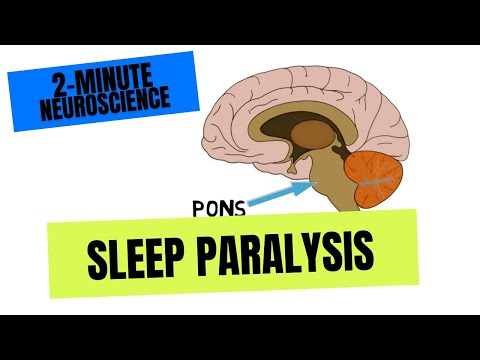
Okay, so picture this: You’re chilling in bed, half asleep. Suddenly, you wake up. But here’s the kicker—you can’t move. Your heart races, and it feels like there’s this heavy weight on your chest. Spooky, right?
That’s sleep paralysis for you! It’s one of those wild experiences that can freak people out big time. You totally don’t know what’s real and what’s just your brain messing with you.
Some folks see shadows or hear whispers during these episodes, which makes it even weirder.
But what actually goes on in our heads while this is happening? Let’s unpack the psychological side of things and try to make sense of these eerie moments. Sound good? Cool!
Debunking Myths: Can Sleep Paralysis Really Be Life-Threatening?
Sleep paralysis. It’s one of those experiences that sounds straight out of a horror movie. You wake up, can’t move, and sometimes feel pressure on your chest. Creepy, right? But a lot of people get this all twisted up with the idea that it could be life-threatening. So, let’s clear the air on that.
First off, sleep paralysis isn’t dangerous in the sense that it won’t actually harm you physically. It’s more like your brain is playing a trick on you. During sleep, we go through different stages, and our bodies usually become paralyzed during REM sleep to keep us from acting out our dreams. Sometimes, though, people wake up before this part is over and voilà! They find themselves wide awake but unable to move.
Now let’s talk about some common myths surrounding this:
- Myth 1: Sleep paralysis can kill you. This just isn’t true. You might feel like you’re trapped in a nightmare, but it won’t result in death or serious harm.
- Myth 2: It’s caused by demons or supernatural forces. Sure, it may feel eerie like there’s something watching you—believe me, I’ve been there—but scientifically speaking, it’s just a product of disrupted sleep patterns.
- Myth 3: Everyone who experiences sleep paralysis has a mental illness. Not at all! While stress and anxiety can contribute to more frequent episodes, many perfectly healthy people have episodes too.
Now here’s where it gets personal. My buddy Mike told me about his first encounter with sleep paralysis. He woke up in his room feeling completely immobilized while he sensed a dark shadow looming over him. Talk about terrifying! But we talked through it later and figured out he’d been super stressed with work and hadn’t been sleeping well.
That leads us to another point: stress and anxiety can indeed heighten the chances of experiencing sleep paralysis or make it feel even worse when it happens. It might not be life-threatening physically, but emotionally? Yeah, those feelings can stick with you for a while.
So what do you do if you experience this? Here are some effective ways to tackle it:
- Develop good sleep hygiene. Regular sleeping patterns help your body cycle through stages properly.
- Pace your stress levels. Finding ways to relax can actually cut down the frequency of these episodes.
- Avoid sleeping on your back. Some people find that changing positions helps ease their experiences.
In summary—while those moments of sleep paralysis can feel like they’re pulling you into some shadowy abyss—they’re not going to hurt you physically. Everything scary about them almost always ties back to the mind’s response to fatigue or stress. The real challenge might just be finding ways to chill out so those shadows stay where they belong—out of dreams and away from your waking hours.
Understanding Sleep Paralysis: Is It Dangerous and What You Need to Know
Sleep paralysis is one of those experiences that can freak you out if you’ve never gone through it. Imagine waking up and feeling like you can’t move or speak, even though your brain is wide awake. It might sound like something out of a horror movie, but it’s actually pretty common, affecting many people at some point in their lives.
What exactly is sleep paralysis? Well, it happens when you’re transitioning between sleep and wakefulness. Your body goes into a state where your mind is alert, but your muscles are still in a relaxed state from sleep. This disconnect can last anywhere from a few seconds to a couple of minutes. It can feel super scary because you’re aware but unable to move or respond.
Many people report vivid hallucinations during these episodes. You might see shadows moving around or feel an ominous presence in the room. Literally. That’s why some folks think they’ve experienced something supernatural—it’s easy to jump to conclusions when you’re stuck in that weird state of being half-asleep and half-awake.
Now, is it dangerous? Generally speaking, no, sleep paralysis itself isn’t considered dangerous physically. It doesn’t harm you like an injury would. However, experiencing it frequently can lead to anxiety and fear around going to sleep, which isn’t great for your mental health overall.
Let’s say you’re lying there frozen solid after waking up from a deep dream, right? You begin to feel anxious about falling asleep again because you’re afraid it’ll happen once more. This creates a cycle: fear leads to poor sleep hygiene habits—like staying up late or relying on caffeine—which just makes everything worse.
Here are some factors that could increase the likelihood of experiencing sleep paralysis:
- Sleep deprivation: Not getting enough rest can mess with your sleep cycles.
- Stress: High stress levels are notorious for throwing off our sleep patterns.
- Sleeping on your back: Some studies suggest this position may increase the chances of having an episode.
- Certain sleep disorders: Conditions like narcolepsy can also lead to more frequent occurrences.
If you’re having these episodes often, it might be worth chatting with someone about it—maybe even a therapist who specializes in sleep disorders or anxiety. They could offer insights and coping strategies that help make those nights easier.
A friend once told me about his own experience with this whole thing. He thought he was being visited by aliens (seriously!) during one episode until he figured out it wasn’t real after all—just his mind playing tricks on him while his body was still asleep! After learning more about what was happening, he felt way more empowered and less scared.
So really, while those experiences may be unnerving at first blush, understanding them as part of how our bodies work makes them feel less daunting. Remember: knowledge is power!
Effective Strategies to Overcome and Cure Sleep Paralysis: A Comprehensive Guide
Sleep paralysis can be a truly freaky experience, right? You wake up and feel totally conscious, but you can’t move or speak. It’s like being stuck in your own body! For many folks, it’s also accompanied by hallucinations that make the situation even scarier. But don’t sweat it too much; there are some effective strategies to help overcome and even reduce the frequency of sleep paralysis episodes.
First off, let’s talk about sleep hygiene. This means creating a peaceful sleep environment. You want your bedroom to be dark, quiet, and cool. Seriously, if you can cut out those distractions like bright lights and noisy gadgets, you’re already ahead of the game. Also, try to keep a consistent sleep schedule. Going to bed and waking up at the same time helps stabilize your body clock.
Another crucial piece is managing stress levels. Stress and anxiety can mess with your sleep cycle big time. Activities like yoga or meditation can really help chill you out before bed. Imagine sitting peacefully for just 10 minutes each night—it’s simple but powerful.
Now let’s get into some specific techniques. When you feel that heavy weight on your chest during an episode, try focusing on small movements first—like wiggling your toes or fingers. If you can manage even that little bit of movement, it might snap you out of the paralysis quicker than expected.
- Keep a Sleep Diary: Jot down when episodes happen, how long they last, and any stressors from that day. This might help spot patterns.
- Avoid Stimulants Before Bed: Things that keep you awake—like caffeine or nicotine—are not your friends here.
- Consider Your Sleep Position: Some people find sleeping on their side helps reduce episodes compared to lying flat on their back.
- If Hallucinations Occur: Remind yourself they’re just dreams—you’re safe in your room! It sounds simple, but this mental nudge can really help ground you.
Also, let’s not forget about health checks! If sleep paralysis is a recurring issue for you—and you’re feeling super anxious about it—it could be worth chatting with a healthcare professional about underlying conditions like narcolepsy or anxiety disorders.
To wrap things up: remember that while these strategies may not “cure” sleep paralysis entirely for everyone (and that’s okay), they could certainly lighten the load of those experiences significantly! By focusing on improving overall sleep habits and reducing stress levels, you’ll hopefully find yourself sleeping easier—and maybe wake up feeling more rested than scared!
Sleep paralysis can be pretty freaky, right? I mean, one moment you’re peacefully drifting off, and the next, you wake up and can’t move, feeling like there’s this heavy weight on your chest. And if you’re lucky enough to have vivid hallucinations during the experience—well, that’s just a cherry on top of a nightmare sundae.
I remember one time I was lying in bed, totally thinking it was morning. Suddenly, I couldn’t move at all. It felt like I was pinned down by something unseen. You know how you hear stories about shadowy figures? Yeah, well, I was convinced there was one lurking in the corner of my room. My heart was racing and all I could do was will myself to scream or wiggle my toes—anything! After what felt like forever (but was probably just seconds), it faded away and I could finally breathe again.
What’s interesting is that sleep paralysis often happens during transitions between sleep stages—especially when your body is in that cool state of REM sleep. This is when your brain’s super active but your body kind of shuts down its movements so you don’t act out your dreams. But if you wake up before this system kicks back in? Surprise! You’re trapped in a half-awake state where your mind is awake but your body isn’t.
Then there’s the whole cultural angle to think about too. Depending on where people are from, they might explain these experiences differently—some see it as supernatural or even a visit from a dark entity! It shows how our backgrounds shape our interpretations of these eerie moments.
So why does this happen to some people more than others? Stress plays a big role here; anxiety can mess with your sleep patterns and lead to these terrifying episodes. It’s kind of wild how something so universal can feel so isolating when you’re going through it alone.
In essence, sleep paralysis isn’t just one thing; it’s tied up with our biology and psychology while also being colored by cultural beliefs and individual experiences. Next time you’re lying there feeling helpless in the middle of the night, just remember—it’s more common than you think!