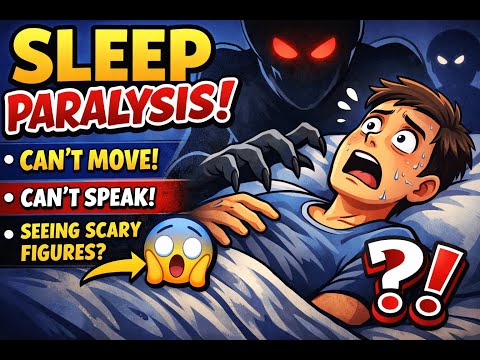
You ever wake up and feel like you’re stuck? Can’t move, can’t scream, heart racing? Yeah, that’s sleep paralysis.
It’s way more common than you might think. And it can mess with your head.
Sometimes, it’s just a weird experience. Other times, well, it could say something about your mental health.
Let’s chat about what sleep paralysis really means and what it could be telling you. Sound good?
Exploring the Connection Between Sleep Paralysis and Mental Health Conditions
Sleep paralysis can be a pretty creepy experience. You’re lying there, unable to move, and sometimes you even see or hear things that aren’t there. It’s like being stuck between dreaming and waking up. And guess what? There’s some interesting stuff linking sleep paralysis with mental health conditions.
First off, what is sleep paralysis? Well, it happens when your body is still in sleep mode but your brain wakes up. Your mind is alert, but your muscles are paralyzed—kind of like your body is playing a joke on you. People often report feelings of pressure on their chest or seeing shadowy figures in the room. It’s super unsettling!
Now, here’s where it gets more complicated. Studies show that mental health conditions, like anxiety and depression, can increase the likelihood of experiencing sleep paralysis. When you’re dealing with high stress levels or emotional turmoil, it can mess with your sleep cycle. And when your sleep cycle goes haywire, guess what might happen? Yep, sleep paralysis could rear its ugly head.
On top of that, people with conditions like post-traumatic stress disorder (PTSD) often report more frequent episodes of sleep paralysis. You see, trauma can disrupt not just your waking life but also your dreams. This disruption can lead to nightmares which may heighten the chances of waking up paralyzed.
It goes even deeper! There’s evidence showing that poor sleep quality, which is often linked to mental health issues, plays a role too. If you’re not getting enough restful sleep or if you’re tossing and turning all night because of anxiety or racing thoughts—well, you’re setting yourself up for some potential pillow fights with your mind while you’re snoozing.
And let’s talk about medications for a second! Some people who take meds for mental health disorders report increased incidents of sleep paralysis too. It seems like certain antidepressants might affect REM sleep—the stage where most dreaming occurs—leading to those awkward wake-up moments where you can’t move.
Oh! And here’s something interesting: mindfulness practices and relaxation techniques have shown some promise in reducing episodes for people who struggle with both anxiety and sleep paralysis. So finding ways to calm that racing heart before bed might actually help decrease those freaky experiences.
In summary, there’s definitely a connection between sleep paralysis and mental health conditions—whether it’s due to stress levels affecting your sleep or the emotional aftermath of trauma complicating things further. It’s kind of wild how our mind and body are intertwined in this dance through our dreams—and sometimes nightmares!
Understanding Sleep Paralysis: What It Reveals About Your Mental and Physical Health
So, let’s talk about sleep paralysis. It’s one of those bizarre experiences that can feel downright terrifying. You know, when you wake up and can’t move? It’s like your body hit the snooze button but your brain said “not yet.” And while it might seem just creepy and weird, it actually reveals a lot about your mental and physical health.
What is Sleep Paralysis?
Basically, sleep paralysis happens when you wake up but your brain is still in that state between sleep and being fully awake. Your body is paralyzed—this is a good thing while you’re dreaming because it stops you from acting out those dreams. But sometimes, you wake up and can’t move for a few seconds to a couple of minutes. Seriously unsettling stuff!
How Common Is It?
You might be surprised to find out that tons of people experience this at some point in their lives—estimates are around 8% of the population! So if you’re going through it, you’re not alone.
Physical Factors
There are some physical aspects tied to sleep paralysis. Sleep deprivation is a biggie. If you’ve been burning the candle at both ends or not getting quality z’s, you’re more likely to experience it. Other things like sleeping on your back or having irregular sleep schedules can set the stage for these episodes.
Mental Health Connections
But here’s where it gets interesting: sleep paralysis isn’t just about the physical side of things. There’s definitely a mental health angle, too! Stress and anxiety play huge roles in this experience. Picture this: if you’re feeling super stressed or anxious during the day, your mind might carry that over into your sleep.
- Anxiety Disorders: People with anxiety disorders often report higher instances of sleep paralysis.
- Depression: Lowered mood can affect your overall sleep quality.
- Tightening Muscle Tension: When you’re stressed out, your muscles tighten up—all day—but then they don’t chill even when you’re sleeping.
Imagine someone named Alex who had been dealing with constant stress from work deadlines. One night he woke up unable to move; shadows danced at the edge of his vision, making everything feel more intense. His heart raced as he struggled against an invisible weight pressing down on him. Later on, after talking with a therapist, he realized that his anxiety was playing a big role in these episodes.
Coping Strategies
If sleep paralysis is becoming regular visitant in your life, there are ways to cope with it:
- Create Calm Sleep Spaces: Make sure your bedroom feels safe and peaceful—think cozy blankets and gentle lighting.
- Smoother Sleep Schedule: Try going to bed and waking up at similar times every day.
- Tackle Stress Head-On: Techniques like mindfulness or deep-breathing exercises can seriously help reduce anxiety levels.
Sleep plays such an important role in our overall health—both mental and physical—and understanding what happens during episodes of sleep paralysis can give us valuable insights into our mental state. It’s about catching those patterns early so we don’t end up facing worse issues down the line.
So if you find yourself having these eerie moments where everything feels frozen for just a bit too long? Think about what else might be going on in your life—feelings of stress or lack of rest could be telling you something important about how you’re doing mentally and physically!
Exploring the Link Between Sleep Paralysis and Mental Health Conditions: Key Insights
Sleep paralysis can be a pretty unnerving experience. You know, when you wake up but can’t move or speak? It’s like your mind is awake, but your body just won’t cooperate. But what’s even more interesting is the link between sleep paralysis and mental health conditions.
So, what causes sleep paralysis? It often happens when you wake up from REM sleep. This stage is when we dream and our bodies are in a sort of protective mode so we don’t act out those wild dream scenarios. But sometimes, we wake up before that muscle paralysis wears off, which leads to feeling stuck. Crazy, right?
Researchers have found connections between sleep paralysis and several mental health issues. For instance:
- Anxiety: People with anxiety disorders may experience sleep paralysis more frequently. Anxiety can lead to restless sleep and heightened physiological responses, making it easier to get caught in that paralyzed state.
- Depression: Studies suggest that those who battle depression might also face more episodes of this phenomenon. It’s like the heavy weight of depression carries over into their sleep patterns.
- PTSD: Post-Traumatic Stress Disorder can increase the likelihood of experiencing sleep disturbances, including nightmares and sleep paralysis. The brain might still be processing trauma even during rest.
You might wonder how this all connects to mental wellness. Well, frequent incidents of sleep paralysis could be a sign that something deeper is going on emotionally or mentally. If you’re struggling with anxiety or stress, it makes sense that your mind wouldn’t just switch off at night.
Let me share an example to make this clearer—imagine Sarah who has been dealing with a lot at work and feels overwhelmed daily. She finds herself waking up frequently in the night feeling paralyzed and unable to scream for help as shadows loom near her bed (which is honestly terrifying!). As she talks about her experiences in therapy, she realizes her anxiety is a huge contributor to these vivid episodes.
While not everyone who has sleep paralysis has a mental health condition, those with underlying issues should definitely pay attention if it becomes frequent or distressing. Addressing mental health can sometimes reduce instances of sleep problems like this.
It’s important to remember there are ways to tackle both issues head-on! Relaxation techniques such as meditation or deep breathing exercises are great for easing anxiety before bedtime. Therapy might also help you uncover any underlying emotional challenges that could be contributing to your sleepless nights.
So basically, understanding the connection between **sleep paralysis** and mental health could lead you towards better rest and greater awareness about yourself! If it keeps happening or if you’re feeling anxious about it all the time—don’t hesitate to talk about it with someone who gets it!
Sleep paralysis, huh? It’s a term that might send a shiver down your spine. Picture this: you wake up in the middle of the night, but you can’t move. You’re wide awake in your mind, but your body feels like it’s stuck in quicksand. And then, to spice things up, you might see shadows or hear whispers that aren’t even there. Scary stuff, right?
So where does this all come from? Well, sleep paralysis usually happens when you’re caught between being asleep and waking up. Your brain’s like, «Okay, I’m awake!» while your body’s still in dream mode. It can feel super creepy and sometimes leaves you wondering about your mental health.
Now, I remember when my buddy Kyle experienced this for the first time. He thought he was going crazy! One night he saw this dark figure looming over him while he couldn’t budge an inch. He felt trapped in his own mind. After talking it through with me and his therapist, he learned that stress and anxiety were big factors in triggering these episodes. That’s when it hit him—he wasn’t alone in this.
So let’s think about it. Sleep paralysis may act as a window into our mental state. If you’re dealing with stress, anxiety, or even sleep disorders like narcolepsy—managing those could help reduce those terrifying moments of immobility during the night.
But here’s the thing: if you find yourself dealing with sleep paralysis frequently or it’s affecting your daily life—hit pause and reach out for some help! Talking with a therapist can really provide insights into what’s going on inside your head—and maybe help to kick those shadows to the curb!
In a way, sleep paralysis is like our brain’s odd way of signaling that something’s off balance mentally or emotionally. So keeping tabs on how you’re feeling is key! You’ve got to take care of yourself so you can snooze peacefully without unexpected visitors at 3 AM—even if they’re just figments of your imagination!