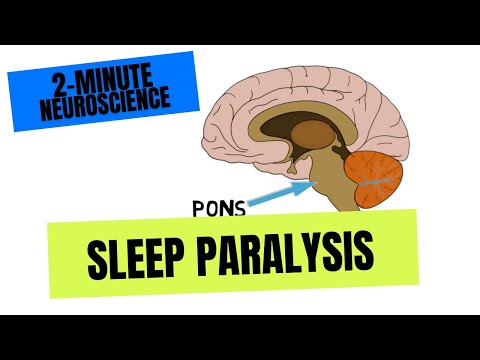
So, sleep paralysis. Ever heard of it? It sounds a bit spooky, right? Picture this: you’re lying in bed, wide awake, but can’t move. Kind of like being trapped in your own body. Seriously.
It can be weird, like a dark scene from a movie. Sometimes there’s this pressure, or maybe you even feel a presence. Not the good kind either. Just thinking about it gives most people chills.
But here’s the kicker: you’re not alone in this freaky experience. Loads of folks go through it, and it can make you feel really vulnerable. You know what I mean?
Let’s dig into what sleep paralysis feels like, and why it happens. Trust me; it’s wilder than you think!
Understanding Sleep Paralysis: Is It Normal to Feel Touch During Episodes?
Sleep paralysis can seriously freak you out. You wake up, all your muscles are frozen, and you’re wide awake but can’t move. Sometimes, people also feel like someone’s in the room—or even touching them. It’s like being caught between dreaming and waking, and it feels so real, doesn’t it?
So, here’s the deal: sleep paralysis is pretty common. It happens when the body temporarily loses the ability to move or speak while falling asleep or waking up. This experience can last from a few seconds to a couple of minutes but feels way longer when you’re in it.
Now, with the sensation of touch during these episodes—that’s where things get interesting. Many folks report feeling pressure on their chest or like someone’s holding them down. Some even say they feel hands touching them or their bed moving as if someone else was there. This might sound totally nutty at first but hang on.
Here are some key points about sleep paralysis and sensations:
For instance, imagine Sarah, who wakes up one night feeling heavy pressure on her chest and an overwhelming sense that something is hovering nearby. She can’t move and panics a little until she finally breaks free from this trapped feeling. Later she learns that this experience is quite normal, even if it’s super unsettling.
But why does this happen? Stress and sleep deprivation are huge culprits! If you’ve been burning the midnight oil or balancing too much in life—you’re more likely to encounter some wild episodes of sleep paralysis.
And here’s another thing: Sometimes people with certain mental health conditions like anxiety can be more prone to these experiences. But that doesn’t mean they’re direct causes—they’re just part of how our brain manages stress while we sleep.
So yes, feeling touch during sleep paralysis isn’t just normal; it’s pretty common too! Just remember: you’re okay—even if it doesn’t feel like it at the moment. With awareness—like knowing what’s happening—you can make peace with those spooky nights when they come around again. Sleep well!
Understanding Sleep Paralysis: Is It a Psychotic Episode or a Sleep Disorder?
Sleep paralysis is this weird, creepy thing that can happen to people when they’re waking up or falling asleep. You know that feeling when you wake up and can’t move? It’s like being stuck in this in-between world where you’re awake but your body just won’t cooperate. This can be super unsettling, and honestly, it can feel like a psychotic episode if you don’t know what’s happening.
So, is it a sleep disorder or something more serious? Well, let’s break it down. Sleep paralysis is actually classified as a parasomnia, which is a type of sleep disorder. It happens during the transition between wakefulness and sleep. You’re aware of your surroundings, but your body is still in that sleepy state, so it’s like being trapped inside yourself for a bit.
Now, some folks report feeling pressure on their chest or seeing shadowy figures during these episodes. That’s where the confusion kicks in. It feels real—like someone’s there with you—so people often think they’re having hallucinations or experiencing a psychotic episode. But really, these sensations are tied to your brain’s activity during REM sleep when most dreaming happens.
The truth is, while some elements might resemble psychosis—like intense fear or visual distortions—the underlying experience is rooted in disrupted sleep patterns. Stress, anxiety, irregular sleeping schedules, or even sleeping on your back can trigger it. If you’ve ever had one of those nights where you’re wide awake at 3 AM and suddenly feel pinned down by an invisible force, yeah—that’s sleep paralysis doing its thing.
Here’s something to chew on: research shows that about 8% of the general population experiences sleep paralysis at least once in their life. And guess what? It’s more common among students and young adults who might have more stressors affecting their sleep quality.
Also worth mentioning: the emotional experience can be pretty profound for people who go through this often. Picture waking up unable to move while an overwhelming sense of dread washes over you—it can lead to anxiety about going to bed again! So it’s totally understandable why some might start connecting these experiences with mental health issues.
But remember! Sleep paralysis isn’t dangerous; it’s just an odd glitch in how our bodies transition between states of consciousness. Understanding what triggers it and how it relates to overall sleep hygiene can help manage those episodes better.
In summary:
- Sleep paralysis occurs as you transition between wakefulness and sleep.
- It feels real but isn’t a sign of psychosis.
- Stress, bad sleep habits, or sleeping positions are common triggers.
- Emotional impact can lead to anxiety about sleeping.
If you’ve been through this yourself or heard someone describe it like they were haunted by ghosts all night long—now you’re equipped with some knowledge to help make sense of the whole ordeal!
Freud’s Insights on Sleep Paralysis: Unraveling the Psychological Mysteries
Sleep paralysis can feel like a creepy scene straight outta a horror movie. You wake up, but you can’t move. And there’s this heavy weight on your chest. You might even see or feel something in the room with you that really isn’t there. So, what gives? Freud had some interesting ideas about these experiences that we can definitely unpack.
Basically, Freud believed that dreams and sleep disturbances are super tied up with our unconscious mind. So when it comes to sleep paralysis, he thought it could be linked to our repressed desires or fears—that stuff we don’t even realize we’re holding onto.
1. The Unconscious Mind: Freud said that a lot of our behavior is driven by things we’re not aware of. In sleep paralysis, it might be your brain wrestling with emotions or conflicts you’ve shoved down during the day.
2. Dream Analysis: He was all about interpreting dreams too. During sleep paralysis, you might have vivid hallucinations—like sensing someone or something in your room and feeling scared stiff! Freud would say these images could represent unresolved issues in your waking life.
3. Feelings of Vulnerability: Many people report feeling frightened during these experiences—like they’re in danger but can’t do anything about it. That sense of helplessness? Freud would argue it’s reflective of deeper anxieties you’re grappling with.
But here’s a thought: while Freud’s views were groundbreaking back then, they don’t explain everything about sleep paralysis today. Like how does the body actually react physically? Well, your body enters REM (Rapid Eye Movement) sleep where most dreaming occurs—but during this time, your brain sends signals to paralyze major muscle groups so you don’t act out your dreams.
4. Cultural Influences: Different cultures have unique interpretations of sleep paralysis too! Some folks think it’s supernatural forces at play—like being visited by a night hag or an evil spirit!
Now let’s get into some real-world stuff, ok? Imagine waking up like I mentioned earlier—totally frozen in bed while feeling this strange presence looming over you. This terrifying sensation is known as “hypnagogic hallucination.”
People often report seeing shadowy figures or hearing whispers just before they wake up—scary stuff for sure! These vivid experiences might just boil down to the stress and pressure you’re under while conscious… kind of makes sense when you think about how mental state affects physical sensations.
Freud’s insights are pretty cool because they encourage us to explore what’s bubbling under the surface while we sleep—or rather why it’s creeping up at night! It’s all tangled together: our fears, feelings, and even our cultural narratives can shape how we experience things like sleep paralysis. So next time you find yourself waking up stuck in bed feeling all kinds of uneasy, remember there’s more than meets the eye—and brain—when it comes to those midnight freak-outs!
Sleep paralysis, huh? It’s one of those freaky experiences that can totally mess with your head. Imagine this: you wake up in the middle of the night, but you can’t move. You’re wide awake, or at least your mind is, and yet your body feels like it’s been glued to the bed. Super unsettling, right? And then there’s often this intense feeling of pressure on your chest or maybe even someone—something—watching you.
Honestly, I remember a time when I had my first encounter with sleep paralysis. I was lying there, unable to budge an inch, and I felt this heavy weight pressing down on me. There was this dark figure in the corner of my room that felt so real; I was convinced it was going to come closer! It felt like a horror movie scene come to life… except it was my life! Then suddenly, I snapped out of it and could move again. But wow—what an overwhelming fear.
So what is all this about? Well, sleep paralysis often happens when you’re between waking and sleeping. Your brain wakes up before your body does—which is why you can’t move. It sounds complicated but think of it like your brain hitting the snooze button on your body.
Now let’s talk about touch. Some people report feeling a pressure or even hands on them during these episodes. Seriously! This can feel as real as anything else in their waking life! I mean, imagine believing someone is holding you down; that’s gotta mess with your mind a little bit! These sensations aren’t always dangerous but they sure pack an emotional punch.
The thing is, while these experiences are scary, they’re pretty common among folks who are stressed or sleep-deprived. It’s like our subconscious decides to throw us a bone during those wild hours of restlessness—reminding us that we might need to take a step back and chill for a moment.
So yeah, if you find yourself dealing with something like sleep paralysis or just feel uneasy about it all—don’t lose hope! You’re not alone in this strange psychological ride. Just remember to take care of yourself and get some good rest when you can; after all, staying rested helps give those wild nighttime experiences less power over us!