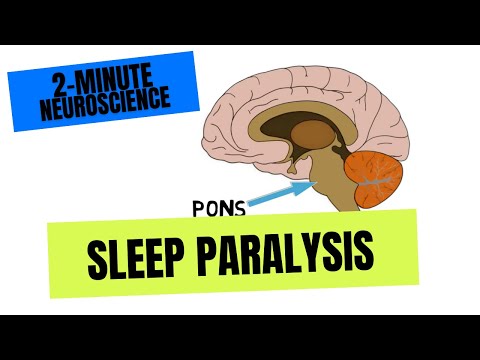
Ever wake up and feel completely frozen? Like, you can’t move a muscle, but your mind’s wide awake? Yup, that’s sleep paralysis. It’s like your body’s playing a dirty trick on you.
I remember the first time it happened to me. I woke up in the middle of the night, terrified, feeling someone—or something—was watching me. I couldn’t scream or even blink! Seriously scary stuff.
So, what causes this freaky phenomenon? There’s more to it than you might think. Let’s unpack some of those psychological roots behind sleep paralysis. You’re definitely gonna want to stick around for this!
Understanding Sleep Paralysis Demons: Causes, Symptoms, and Coping Strategies
So, sleep paralysis, huh? It’s that creepy thing where you’re wide awake, but your body just won’t move. You might feel a weight on your chest or see shadowy figures lurking around. Seriously unsettling stuff! Let’s break this down a bit.
What Exactly is Sleep Paralysis?
It happens when you wake up during REM sleep—the stage where dreaming kicks in and your muscles are paralyzed so you don’t act out those wild dreams. If you wake up and your brain is all alert but your body hasn’t caught up yet, that’s when the magic (or nightmare) of sleep paralysis strikes.
Causes You Should Know About
There are a few things that can make these episodes more likely to happen to you:
- Sleep deprivation: Not getting enough Zs can mess with your sleep cycles.
- Irregular sleep patterns: Shift work or staying up too late can throw everything off.
- Stress and anxiety: High levels can lead to disrupted sleep.
- Sleep disorders: Conditions like narcolepsy or insomnia can increase the chances.
Imagine lying in bed after a long, stressful week at work. Your mind runs wild thinking about deadlines and obligations. You finally drift off but then—bam!—you wake up unable to move. Your heart races as shadows swirl around the room.
Symptoms That Come with the Territory
Now, I know it sounds freaky, but here are some common things people report during an episode:
- A feeling of pressure on the chest.
- A sense of being watched or an ominous presence nearby.
- Difficulty breathing, which can feel super scary!
- The inability to call out or scream for help.
You might feel terrified, thinking something supernatural is happening. But really, it’s just your brain being a little janky post-sleep.
Coping Strategies for Sleep Paralysis
So what can you do if this happens to you? There are some methods that folks find helpful:
- Create a good sleep environment: Make sure your room is dark and quiet. Keep it cool too; comfort matters!
- Establish a routine: Going to bed at the same time every night helps regulate those pesky sleep patterns.
- Tackle stress: Try relaxation techniques like deep breathing or meditation before bed.
- Sit up if possible: If you’re stuck in an episode, focusing all your energy on trying to wiggle a finger or toe might help break free.
Although it may not solve everything immediately, these strategies could lessen how often these episodes happen for you.
In dealing with sleep paralysis demons—whether literal or figurative—understanding what’s happening and why is half the battle. The next time darkness creeps into your dreams? Just kick back and remind yourself: it’s just another weird quirk of our brains playing tricks on us!
Understanding Sleep Paralysis: Can It Be Life-Threatening?
Sleep paralysis can feel downright terrifying, right? You wake up and can’t move. It’s like your body forgot how to respond, while your mind is racing. And the kicker? Sometimes you might even see or hear things that aren’t there. But is it life-threatening? Let’s unpack that a bit.
First off, sleep paralysis usually happens during the transition between being awake and falling asleep or waking up. That’s called REM sleep. Your brain is active, dreaming, but your body is basically “frozen” to prevent you from acting out those dreams. So when you wake up and this natural “freeze mode” doesn’t switch off right away—bam! You get that spooky experience.
Now, let’s talk about the psychological roots. Stress and anxiety are big players here. We all know what it’s like to feel overwhelmed sometimes. Maybe you’ve had a couple of late nights juggling work or family drama? Well, these feelings can mess with your sleep cycle, increasing the chances of sleep paralysis.
Some folks also deal with other sleep disorders like narcolepsy—even though it’s rare—that can contribute to getting stuck in this state more often than not.
But back to the big question: is it life-threatening? No. Sleep paralysis itself isn’t harmful or fatal—thank goodness! Sure, it feels super scary when it happens; I get it! You might feel pressure on your chest or even see shadowy figures looming over you. Yikes! But these experiences won’t hurt you physically.
The thing is, while it might feel intense, most people who experience this issue eventually find ways to cope or reduce how often they deal with it. For example:
So yeah, I’m not saying it’s fun—it definitely rattles your nerves—but knowing that it’s not dangerous can help take some of the fear away.
In summary, while sleep paralysis can be alarming and pretty distressing when you’re going through it, remember it’s not going to hurt you physically in any way. That weird feeling usually just means your brain needs a little more time to communicate with your body after a long day—or night—of stress! If it keeps happening, though, chatting with a doctor might be worth a shot just for peace of mind.
Understanding Sleep Paralysis: Common Causes and Solutions
Sleep paralysis is one of those things that can freak you out. You’re lying in bed, fully aware of your surroundings, but your body just won’t move. It’s like you’re trapped in your own skin. Seriously unsettling, right? So let’s unpack what it is, why it happens, and how you might get some relief.
First off, **what is sleep paralysis?** It occurs during the transition between wakefulness and sleep. You know that feeling when you’re waking up but still dreaming? Sometimes, during this shift, your brain wakes up while your body remains in a sleep state. You might feel pressure on your chest or see and hear things that aren’t really there—like a shadowy figure looming over you. Talk about terrifying!
Now, let’s chat about common causes of sleep paralysis. There are a few big players here:
- Lack of Sleep: If you’re not getting enough shut-eye or have an irregular sleep schedule, that can set the stage for episodes.
- Sleep Disorders: Conditions like narcolepsy or insomnia can increase your risk.
- Stress and Anxiety: High stress levels and anxiety can mess with your mind and sleep patterns.
- Sleep Position: Some studies suggest sleeping on your back could make it more likely to happen.
Let me tell you a story. A friend of mine had a pretty intense job which left him stressed out all the time. He’d stay up late working on projects and then crash into bed exhausted. One night he woke up unable to move—terrified! He swore he saw something by his bedside. After doing some digging into his experiences, he realized his lack of sleep + high stress was the perfect recipe for those light-speed nightmares.
So how do you tackle this beast? There are several approaches worth considering:
- Prioritize Sleep: Try to get a consistent seven to nine hours each night. Set up a calming bedtime routine that signals to your body it’s time to chill out.
- Manage Stress: Techniques like mindfulness meditation or deep breathing exercises can really help bring down stress levels before bed.
- Avoid Triggers: Pay attention to what might be contributing—like caffeine or alcohol before bedtime—and try to cut those out.
- Change Sleep Position: If you’re sleeping on your back a lot, give side-sleeping a try; it could help reduce those episodes.
If you’ve tried these solutions and nothing seems to work—or if these episodes are happening frequently—it might be time to chat with someone in the know about it. A mental health professional can offer support and potentially recommend therapy techniques.
In essence, understanding sleep paralysis helps demystify what feels like an out-of-body experience gone wrong. By addressing the underlying causes like stress and poor sleep habits, you may find yourself sleeping more soundly—and avoiding any midnight panic parties along the way!
Alright, let’s chat about sleep paralysis. You know, that super creepy experience where you wake up and can’t move? It feels like something is sitting on your chest, right? Like, you’re fully aware but totally locked in your body. Honestly, it’s wild.
So, what’s going on with all that? The roots of sleep paralysis are tied up in a bunch of psychological factors. Stress and anxiety seem to be major players here. Imagine you’re juggling work worries, relationship dramas, or life changes—your mind gets all tangled up. When you finally crash at night, your brain can still be running a marathon in the background. This miscommunication between mind and body can lead to those scary moments when you wake up but can’t move.
I remember the first time I experienced this myself. I woke up one night feeling like I was being watched—seriously freaky! I couldn’t scream or even wiggle my toes. After what felt like an eternity (but was probably just a minute), I snapped out of it and my heart was racing like crazy. It made me think about how stress can really mess with us in ways we don’t even see coming.
Another thing is sleep disorders like narcolepsy or insomnia—you know how they go hand-in-hand with sleepless nights? People dealing with those often report more frequent episodes of sleep paralysis too. It’s like a perfect storm: lack of sleep plus high stress equals more chances of waking stuck in your own body.
Then there’s the whole cultural aspect too! Different cultures have their own interpretations and stories around sleep paralysis, which adds another layer to it all. Some folks talk about incubus demons or shadow people—that just amps up the fear factor when it happens!
At the end of the day, understanding the psychological roots helps take some of that fear away. It’s not just some paranormal entity; it’s our minds playing tricks on us under stress or fatigue. If you experience this kind of thing often, maybe talking to someone could help clear your mind a bit before bed.
So yeah, sleep paralysis—definitely spooky but rooted in our very human struggles with stress and sleep!