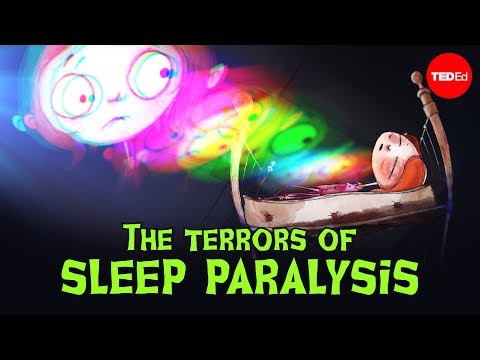
So, let’s talk about that creepy thing called sleep paralysis. You know, when you wake up but can’t move? Yeah, that moment can feel like a horror movie, right?
I mean, you’re laying there, heart racing, and sometimes you swear there’s something in the room with you. Seriously, it’s intense.
You might’ve even seen some wild YouTube stories about it. Some people freak out; others laugh it off. But what’s really going on in your mind when this happens?
It’s a mix of sleep science and some freaky brain stuff. Let’s dig into this weird experience together!
10 Creepy Facts About Sleep Paralysis That Will Chill You to the Bone
Sleep paralysis can be a seriously unnerving experience. You’re awake, but you can’t move, and sometimes you might feel this creepy presence in the room. It’s no wonder it’s often linked to nightmares and horror stories! Here are some fascinating (and a bit chilling) facts about sleep paralysis that might just give you chills.
1. The Science Behind It
Sleep paralysis occurs during the transition between wakefulness and sleep. Basically, your mind is awake, but your body didn’t get the memo. That’s when the weird stuff happens!
2. Cultural Interpretations
Different cultures have their own explanations for sleep paralysis. In some places, it’s called “the old hag syndrome.” People believe an evil spirit sits on their chest while they sleep, which sounds pretty terrifying, right?
3. Hallucinations Galore
During an episode, many experience visual or auditory hallucinations. You might see shadowy figures or hear whispers in your ear—creepy stuff! It blurs the line between reality and nightmare.
4. Sleep Disorders Connection
If you’re into sleep science, you’d know that conditions like narcolepsy are linked to sleep paralysis. But even if you don’t have a disorder, irregular sleep patterns can trigger it.
5. Stress and Anxiety Factor
Stress plays a big role too! High anxiety levels can make these episodes more frequent or intense—like your brain throws a party with your fears when you’re asleep.
6. Common among Young Adults
Guess what? Sleep paralysis is most common in young adults and teenagers! So if you’ve experienced it as a teen, you’re definitely not alone there.
7. Physical Feelings
Aside from being unable to move, many report feeling pressure on their chest—almost like they’re being held down by something invisible! It’s pretty wild how our minds create such intense physical sensations.
8. Lasting Impact on Sleep Quality
Experiencing sleep paralysis can lead to anxiety about going to bed again—which totally messes up your sleep quality over time! Can we say vicious cycle?
9. A Glimpse into the Unconscious Mind
Some psychologists believe that these experiences can reveal hidden fears or anxieties stored in our unconscious mind—kind of like your brain’s way of processing unresolved issues… while you’re sleeping!
10. Treatment Options Exist
While there’s no one-size-fits-all solution for everyone suffering from sleep paralysis, good sleep hygiene practices help immensely! Regular sleeping schedules and reducing stress might just keep those creepy episodes at bay.
So yeah, sleep paralysis isn’t just scary; it’s also pretty fascinating how our minds work while we snooze away! If you’ve ever found yourself stuck in one of those moments where reality feels twisted and fear takes over—you’re definitely not alone in this eerie experience.
Freud’s Insights on Sleep Paralysis: Understanding the Mind Behind the Phenomenon
Sleep paralysis, it’s one of those freaky experiences that usually happens when you’re just about to fall asleep or wake up. You know, when your mind is kind of awake but your body feels completely stuck. It’s a strange mix of fear and confusion, and it can leave you feeling pretty shaken. Now, if we’re talking about Freud and his take on this phenomenon, he had some insights that really delve into the psyche behind sleep paralysis.
Freud believed that sleep paralysis was linked to our subconscious fears and desires. He thought that during sleep, our minds might suddenly confront some unresolved issues or anxieties. The thing is, when this happens, your body goes limp—thanks to something called REM atonia—so you can’t move even if your brain is racing.
You might find it fascinating that Freud suggested the sensation of waking up paralyzed is actually tied to a struggle between the conscious mind and the unconscious thoughts. Basically, your mind wants to process something deep down, but it feels trapped in a state where it can’t express those fears.
Here are some key points about Freud’s insights on sleep paralysis:
Let’s say you’ve been stressed about work or personal relationships. Your brain may manifest that unease through sleep paralysis—it’s like your mind saying “Hey! We need to deal with this!” But instead of processing feelings directly, we get caught in this unsettling middle ground where we physically can’t react.
Freud wasn’t the only one who looked at sleep paralysis through a psychological lens; other theorists also focused on how societal beliefs influence personal experiences. For example, many cultures have myths about evil spirits causing this phenomenon. This shows just how universal yet deeply personal sleep paralysis can feel.
But here’s where it gets especially interesting: modern research backs some of Freud’s ideas by linking sleep disturbances with emotional states like depression and anxiety. If you’ve ever experienced sleep paralysis while feeling overwhelmed by life choices—or even if you’re just binge-watching those spine-chilling YouTube stories before bed—you’re not alone in feeling seized by panic when it strikes.
So yeah, understanding the mind behind sleep paralysis isn’t just about dissecting weird dreams; it’s also about digging into what’s happening in our day-to-day lives emotionally. It’s all connected! Whether it’s unresolved conflicts popping up at night or stress manifesting in weird ways while you’re asleep, there’s definitely more than meets the eye—or should I say the ear? Because let’s be real: hearing strange noises during those episodes doesn’t help at all!
Exploring Billie Eilish’s Struggles with Sleep Paralysis: Insights into Mental Health
Sleep paralysis can be a pretty freaky experience, right? And if you’ve heard about Billie Eilish’s struggles with it, you might be curious about this mind-bending phenomenon. So, what’s going on with sleep paralysis, and how does it connect to mental health? Buckle up!
First off, sleep paralysis happens when you wake up and can’t move or speak for a few seconds or even a couple of minutes. Sounds scary? Totally! It’s that weird limbo between being awake and still kind of dreaming. You’re aware of your surroundings but your body feels completely frozen.
Now, when Billie talked about her experiences with sleep paralysis, she wasn’t alone. Many people struggle with similar issues. It can often come hand-in-hand with sleep disorders like insomnia or narcolepsy. The thing is, sleep issues can also make anxiety or depression feel worse. You know what I mean?
Your mood drops.
And guess what? Stress just loves to creep in too! It’s like a circle that just keeps going round and round.
Billie has mentioned having dreams that turned nightmarish during these episodes. And honestly, who wouldn’t feel anxious if they woke up and saw something unsettling while being totally unable to move? This happens because during sleep paralysis, your brain is partially awake but your body is still in sleep mode—so those night terrors become much more real.
On top of everything else, there’s this whole misconception around sleep paralysis being linked to “spirits” or “demons.” This misunderstanding adds extra fear, especially for younger folks who see those stories floating around online. It makes it even scarier than it needs to be!
And let’s chat about how common it really is. Research suggests that at least 8% of people experience this at some point in their lives! So if someone tells you they’ve had a rough night filled with shadows looming over them while they can’t move—believe them! They’re not alone in this.
Another thing worth mentioning is the link between stress, poor sleep habits, and how often someone might experience these episodes. Stressful life events—like losing someone close or dealing with intense pressure—can put a target on your back for sleep paralysis.
To tackle these feelings—whether it’s through mindfulness techniques or cognitive behavioral therapy (CBT)—people find ways to cope better over time. Seriously! Just talking about it helps demystify those scary experiences.
Basically, when we look at Billie Eilish’s journey through her struggles with sleep paralysis, we’re reminded of how intertwined mental health is with our overall well-being—and oh boy does it open the door for important conversations! Whether it’s feeling trapped by fears in our own minds or simply trying to get some decent shut-eye, knowing we’re not alone matters big time.
So yeah, if you ever feel freaked out by your own restless nights or eerily vivid dreams—remember: understanding the psychology behind it all can help lighten the load a bit. And who knows? Maybe sharing those stories will help someone else too.
So, sleep paralysis, right? It’s that eerie experience where you wake up and can’t move. You’re kinda trapped in your body, and sometimes there’s this feeling of a weight on your chest. Sometimes people report seeing dark figures or feeling strong fears rushing over them. Seriously creepy stuff!
I was chatting with a friend the other day who had experienced it. She was in her college dorm, totally freaked out. One night she woke up and saw what looked like a shadowy figure at the end of her bed. She couldn’t scream or move! Can you imagine how terrifying that must’ve been? It took her forever to shake it off after that; she was too scared to sleep for days.
There’s this whole psychology behind it too; it’s often linked to stress, anxiety, or even irregular sleep patterns. Basically, when your body is in that weird transition between sleeping and waking up, your mind can get all mixed up. It’s like your brain’s awake and aware but your body hasn’t caught up yet—not fun! That’s when the hallucinations kick in sometimes.
YouTube stories about sleep paralysis have blown up lately—people sharing their experiences can be both comforting and terrifying. It’s like everyone’s trying to figure out if they’re alone in this experience. The comments section turns into a mini support group of “Oh yeah, I’ve had that too!” But then there’s also the thrill of listening to someone recount their fear-inducing encounter late at night—it’s a bit like horror movies for the sleep-deprived!
But honestly? Those narratives help normalize something that’s often treated as super strange or isolated. They connect folks through shared experiences of confusion and fear—which is pretty powerful when you think about it! You realize you’re not just losing it; lots of people go through the same thing. There’s something kinda reassuring about that community vibe—that we’re all navigating these weird-human experiences together, even if it’s in our most vulnerable moments while we try to catch some Z’s!