You ever wake up and wonder why your friend insists you had a whole conversation last night? Or maybe you’ve stumbled across someone wandering around the house, looking for snacks in their sleep? Both are totally real, and kinda hilarious if you think about it.
Sleep talking and walking—yep, they’re a thing. And believe it or not, there’s some fascinating psychology behind it. Like, what’s going on in your brain while you’re chatting away or strolling around like a zombie?
It’s not just weird random stuff; there are reasons. Some folks do it more than others. So let’s dig into this quirky side of sleep and see what we can uncover together!
Understanding Sleepwalking: Uncovering the Psychological Triggers Behind the Phenomenon
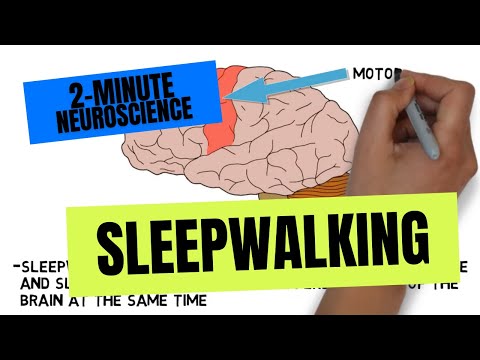
Sleepwalking, or as the fancy folks call it, *somnambulism*, is one of those quirky things that happen when you’re snoozing. It’s when you get up and walk around while still, like, totally asleep. The funny thing is most people don’t even remember doing it! So what makes someone stroll through their house at 2 AM without a clue? Let’s break it down.
First off, sleepwalking usually happens during the **deep stages of sleep**, particularly in non-REM sleep. This is when your body is super chill and your brain is less active. You know how everyone has different sleep patterns? Well, some folks just naturally have deeper sleep cycles. And that’s one reason why they might take a midnight wander.
Psychological triggers can play a big role in all this too. Stress, anxiety, and even certain life events can stir the pot. For instance, imagine you’re juggling work stress and personal issues… then one night you find yourself tiptoeing to the fridge for snacks while still dreaming about your work project. Weird, huh? But stress can definitely mess with your sleep quality.
Another factor could be sleep deprivation. If you’re not catching enough Z’s regularly or you’re burning the candle at both ends (hey, we’ve all been there), it can trigger episodes of sleepwalking or even talking in your sleep. Your brain craves rest and sometimes reacts by breaking out into these wild nighttime adventures.
Then there’s also family history. If someone in your family has a history of sleepwalking or other parasomnias (a fancy term for abnormal behaviors during sleep), well, you might be prone to it too! It’s like inheriting blue eyes or curly hair—sometimes it just runs in the family.
Medications are another piece of the puzzle. Certain meds can impact sleep cycles or affect how deep someone sleeps. If you’ve ever watched someone on new medications start acting weird at night—trust me; it’s not just them losing their marbles!
In terms of symptoms beyond just wandering around—like I mentioned before—sometimes people **talk** during these episodes too! It might feel like they’re having a full-blown conversation with you about their day while they’re still dreaming about being on vacation in Bali.
What should you do if you suspect someone’s sleepwalking? First off: safety first! Make sure there aren’t any tripping hazards around them—because let’s face it: nobody wants to wake up injured because they couldn’t find their way back to bed without bumping into something!
If frequent episodes occur—you might want to talk with a healthcare professional who understands this realm better; they might suggest seeing a sleep specialist who could run tests on things like **sleep apnea** or other conditions.
So basically, understanding **sleepwalking** involves recognizing the complex interaction between psychological stressors, genetics, and physical factors influencing our nightly rest habits. With some awareness and adjustments, those midnight strolls could become a thing of the past!
Understanding Sleepwalking and Sleep Talking: Are They Signs of a Mental Illness?
Sleepwalking and sleep talking are more common than you might think. If you or someone you know has experienced these things, it can be pretty confusing. So, let’s break it down.
What Exactly Are Sleepwalking and Sleep Talking?
Sleepwalking, or somnambulism, happens when someone walks or performs other activities while still in a state of sleep. It usually occurs during deeper stages of sleep. You might see someone getting up from bed, wandering around the house, or even leaving the house entirely! Sleep talking (or somniloquy) is when a person talks while asleep. Sometimes it’s just gibberish; other times, it sounds like full conversations.
Are They Signs of Mental Illness?
Most of the time, sleepwalking and sleep talking aren’t signs of a mental illness, but there can be exceptions. For many people, these behaviors are harmless and often associated with stress, lack of sleep, or even a change in routine.
Now here’s the deal: if it happens frequently and starts impacting your daily life—like if you’re always waking up in strange places or your partner can’t get any rest because you’re chatting in your sleep—it might be time to check in with a professional. It could indicate underlying issues like anxiety or stress rather than an actual mental health disorder.
Common Triggers
Several factors can trigger these behaviors:
- Stress: High levels of stress can mess with your sleep cycle.
- Lack of Sleep: Not getting enough shut-eye increases the chances.
- Alcohol Use: Drinking before bed may disrupt your sleep patterns.
- Certain Medications: Some drugs may affect how deep you’re sleeping.
- Sleep Disorders: Conditions like insomnia or restless legs syndrome could play a role.
Is It Dangerous?
Well, yeah—sometimes! If a person is wandering around while asleep, they could trip over something or accidentally hurt themselves. It’s essential to create a safe environment if someone you care about tends to sleepwalk.
And then there’s the potential embarrassment factor with sleep talking! Imagine having no memory of discussing your obsession with cheese sandwiches at 2 AM in front of friends!
When to Seek Help
If you notice frequent episodes that disrupt daily life—or if either behavior seems to escalate—it may be worth consulting a healthcare provider. They might suggest keeping a detailed sleep diary or undergoing a sleep study to take an in-depth look at what’s going on.
In short, while sleepwalking and sleep talking generally aren’t indicators of serious mental illness, they can suggest something’s off balance in your life—be it stress-related or linked to bad habits around bedtime. Just remember that taking care of your overall well-being often leads to better nights’ sleeps!
So next time you hear some chatter coming from the other room at night or catch someone strolling through the living room in their pajamas—you’ll know they’re likely not losing their mind but maybe just caught between dreams and reality!
Understanding Sleep Talking and Walking in Adults: Causes, Effects, and Solutions
Sleep talking and walking, or parasomnias, are more common than you might think. You might even know someone who does it, or maybe you’ve experienced it yourself! So what’s going on here? Let’s unpack this.
Sleep Talking: Also called somniloquy, sleep talking happens when someone talks while they’re asleep. It can be mumbling, full sentences, or even shouting! It usually occurs during the lighter stages of sleep. Some folks are just chatting away without even knowing it. And honestly? It can be hilarious at times. I once heard my friend talking about “the important mission to save the chocolate chip cookies” in her sleep!
Now, the **causes of sleep talking** can vary quite a bit:
- Stress and Anxiety: If you’re feeling overwhelmed during the day, that tension can sneak into your dreams.
- Lack of Sleep: When you don’t catch enough Z’s, your brain may go a little bonkers.
- Fever: Sometimes being sick can trigger episodes too.
- Genetics: If your parents did it, there’s a good chance you might too.
The effects of sleep talking are generally minor. Most people don’t even realize they do it until someone tells them! However, if your nighttime chatter is loud enough to wake others, that could become an issue for your sleeping buddies.
Sleep Walking: This one’s a bit more serious. Sleep walking involves getting up and moving around while still technically asleep. Imagine making a midnight snack without remembering it later—sounds both funny and kinda scary! The causes of sleep walking can overlap with those of sleep talking but often include:
- Sleeplessness: Again with the lack of quality shut-eye!
- Nervous System Disorders: Conditions like epilepsy can contribute.
- Medications: Some meds have side effects that affect sleep patterns.
The effects of sleep walking can range from harmless wandering to potential injuries—hey, if you trip over something while you’re not awake, that could hurt!
Now let’s chat about solutions because who doesn’t want a peaceful night’s rest? There’re plenty of ways to tackle these issues:
- Create a Bedtime Routine: Going to bed at the same time each night helps regulate your sleep cycle.
- Avoid Stimulating Activities Before Sleep: Chill out before bed by skipping screens or intense discussions.
- Your Sleep Environment Matters: Keep things cozy and dark; consider using white noise if needed!
For those who find their episodes particularly disruptive or harmful (or if you’re worried about injuries), consulting a healthcare provider is key. They might recommend keeping a **sleep diary** or doing a *sleep study* to delve deeper into what’s happening while you’re snoozing.
To wrap this up: Sleep talking and walking may sound quirky—and they often are—but they come down to our body’s reaction to stressors and how we manage our sleep health. So keep an eye on those patterns and prioritize sweet dreams!
Sleep talking and walking—now that’s something you don’t see every day, huh? It’s like your brain is throwing a party while your body is still snoozing on the couch. So, what’s the deal with all this night-time chatter and wandering around?
Let’s break it down a bit. Sleep talking, also known as somniloquy—fancy word, right?—is when someone talks during their sleep without being aware of it. It’s kind of like trying to have a conversation with someone who’s not really there! Sometimes it’s just gibberish; other times, folks are chatting away about their day or even having full-blown conversations. Imagine waking up to your partner telling you they just argued with a toaster or something!
And then there’s sleepwalking. This one’s got its own wild vibe. Picture it: someone gets up and strolls around the house while still in dreamland, often looking like they’re on autopilot. There was this time my buddy told me how his little brother once sleepwalked into the kitchen and tried to make a peanut butter sandwich but ended up putting the jar in the fridge instead of closing it! It was hilarious but also kind of worrying at the same time.
From a psychological standpoint, both conditions are linked to disruptions in our sleep stages, particularly during non-REM sleep—the deep restful stuff our bodies crave. Stress, anxiety, or even too much caffeine can ramp up these occurrences. But here’s where it gets tricky: not everyone who experiences them is stressed out or has a mental health issue.
Health-wise, while neither is usually dangerous (unless you’re walking straight into walls!), having episodes like these can be exhausting for those around you—and for yourself if you wake up confused about what just happened! The good news is that many people grow out of these behaviors as they age or can manage them through lifestyle tweaks.
So if you’re ever talking in your sleep or find yourself wandering around aimlessly at night, remember—it’s not uncommon at all! Just try to stay safe and maybe leave some snacks on the counter for your sleepy self. You never know; you might be in for some midnight munchies!