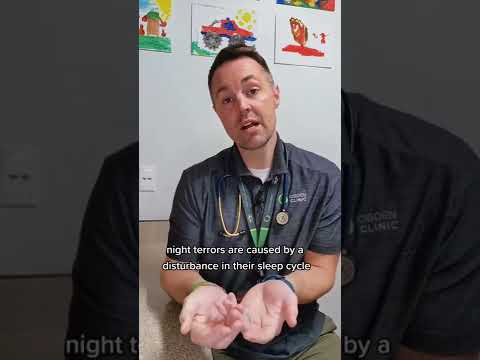
So, you know how little kids can be totally unpredictable? Like one moment they’re giggling, and the next… boom! They’re screaming in the night? Yeah, sleep terrors in toddlers are a real thing. It can send any parent into panic mode, trust me.
Picture this: your sweet two-year-old is fast asleep. Then suddenly, they bolt upright, eyes wide open, but they’re not really awake, if you catch my drift. It’s terrifying for both of you! You might feel helpless, like what do you even do in that situation?
Honestly, it can mess with your mental health too. Lack of sleep and worrying about your kiddo can weigh you down. But don’t stress! There are ways to manage all this craziness. Let’s chat about what’s going on here and how to help your little one—and you—get some peace of mind at night. Sounds good?
Effective Remedies to Alleviate Night Terrors in Toddlers: A Parent’s Guide
When it comes to night terrors in toddlers, it can be pretty scary for both the little ones and their parents. You’re not alone if you’ve found yourself standing in the dark, heart racing, wondering what to do when your toddler wakes up screaming and doesn’t seem awake at all. Night terrors are actually a common thing in kids between 2 and 6 years old.
Understanding Night Terrors
So, what’s really happening during these night terrors? Basically, it’s like your kiddo is stuck between sleep and waking up. They might scream, cry, or even thrash around. But here’s the twist: they usually don’t remember it later! It can last anywhere from a few minutes to half an hour—but trust me, those minutes can feel like forever when you’re trying to comfort them.
Creating a Calm Sleep Environment
A peaceful sleep space can work wonders. Here are some simple things you can do:
- Comfortable bedding: Make sure their mattress is cozy and the room isn’t too hot or cold.
- Dim lights: Soft lighting helps set a relaxing mood.
- No screens before bed: Seriously—limit screen time an hour before bedtime. It messes with their melatonin levels!
- Night-lights: A gentle glow can ease fears of the dark.
Consistent Bedtime Routine
Kids thrive on routine—it’s like giving them a little map of what to expect. Aim for consistent bedtimes every night with calming activities thrown in there:
- Bathe them: A warm bath is soothing and helps signal that bedtime is coming.
- Read together: Pick out some quiet stories to wind down.
- Singing lullabies: Soft songs can create a bond while calming their minds.
Avoid Overstimulation
Just like adults need some downtime after a busy day, toddlers do too! If your little one has had a hectic day filled with playdates or adventure, they might be more likely to have night terrors later on.
If They Do Have A Night Terror…
Firstly, don’t panic! It might feel overwhelming watching them go through this, but remember—they’re not awake. Here’s how you can handle it:
- Soothe without waking: Try softly reassuring them with your voice instead of shaking them awake.
- Create a safe space: Make sure they’re in an area where they won’t hurt themselves if they thrash around.
Oh, and take care of yourself too! If you find yourself feeling anxious or stressed because of these episodes—and honestly who wouldn’t?—it could help to talk about it with friends or even consider seeing someone who understands childhood sleep issues.
In most cases, kids will outgrow night terrors by the time they’re older. But if you’re noticing that these episodes are frequent or getting worse—like every single night—it might be worth chatting with your pediatrician about it.
Remember: parenting includes dealing with messy stuff like this sometimes! But you’ll get through it together; you’ll both come out stronger on the other side.
Effective Strategies to Stop Night Terrors in Your 2-Year-Old: A Parent’s Guide
When it comes to night terrors in your two-year-old, it can be super alarming for both of you. Picture this: you’re cozy in bed when suddenly your little one starts screaming like they’ve just seen a monster. It’s more common than you think! Night terrors can feel scary, but don’t worry, there are some strategies to help manage them.
First off, understanding what night terrors are will help a ton. Basically, it’s a sleep disruption that usually occurs during deep sleep. Your toddler might sit up, scream, and appear scared—yet they usually won’t remember the episode later. That’s because they’re technically asleep during it.
Establishing a Consistent Bedtime Routine is key. Kids thrive on routine. Try putting them to bed at the same time every night and include calming activities like reading or gentle rocking before sleep. This helps signal their body that it’s time to relax.
Another handy tip is creating a Soothing Sleep Environment. Keep their bedroom dark and cool but not too cold! Maybe add a nightlight if they’re scared of the dark, or play soft lullabies to ease them into slumber.
Also, consider keeping a Sleep Diary. Track when the night terrors happen and any patterns you notice—like did they skip a nap that day? Or were there any stressful events? This might guide you in figuring out what triggers those episodes.
Sometimes making small changes can help too! Limit Caffeine and Sugar Intake, especially close to bedtime. That includes chocolate! It can really get those little bodies wound up without you noticing.
One thing that might help is Awakening Your Child During Sleep. I know this sounds odd, but about 15-30 minutes before their usual terror time, gently wake them up and keep them awake for just a few minutes before putting them back down. This could disrupt their sleep cycle enough so they don’t hit that terror phase.
Lastly—if things don’t improve or get worse—don’t hesitate to Consult with Your Pediatrician. They can provide additional advice tailored specifically for your child’s needs or check if there’s anything more serious going on.
With all this said, remember: it’s tough being a parent! You’ll figure out what works best for your family over time. Just keep trying different strategies until something sticks. You’ve got this!
Understanding Night Terrors in Toddlers: Are They Linked to Mental Health Issues?
Understanding night terrors in toddlers can be a bit of a maze, right? First off, let’s clarify what these night terrors actually are. They’re intense episodes of fear that happen during sleep, often accompanied by screaming or crying. What’s interesting is that toddlers usually have no recollection of these events the next morning. So, you might wake up to a sobbing child, but they won’t remember a thing about it later.
**Are they normal?** Night terrors are pretty common in young kids. They typically occur between ages 2 and 6. Most kids outgrow them by age 8 or so. It’s one of those things that can freak parents out—understandably! I mean, imagine waking up to your little one looking terrified while they’re still asleep.
**What causes them?** The exact cause isn’t super clear. But there are some factors that can contribute to night terrors:
So here’s the thing: while night terrors themselves aren’t usually linked to serious mental health issues, they can sometimes be an indicator of stress or anxiety in kids. For example, if your toddler is going through something tough—like parental separation—they might have more frequent episodes.
I remember this one time my friend’s son had night terrors after they moved from a familiar neighborhood. He would wake up screaming about monsters hiding under his bed—which was obviously super scary for both him and his mom. After some time and adjustment, he calmed down and the night terrors faded away.
**When should you be concerned?** If your child’s night terrors start happening frequently or seem to be affecting their daytime mood or behavior. Also, if you notice other signs like persistent anxiety during the day or major changes in behavior—like withdrawing from social activities—it might be wise to chat with a pediatrician or child psychologist.
**How to help manage them?** Here are some simple things you could try:
Every kid is unique when it comes to how they cope with nighttime fears and any potential links to mental health issues. So really listening and paying attention is key here.
In summary, while toddler night terrors are usually just part of growing up and not typically linked directly with mental health disorders, staying mindful about your child’s overall emotional state is important. Balancing understanding their fears with nurturing feelings of safety will definitely smooth out those nighttime bumps!
So, let’s chat about sleep terrors in two-year-olds. You know, those crazy episodes where your little one suddenly looks super scared, maybe screaming or flailing around, but they’re still asleep? It’s like they’re in some wild dream world that has them totally freaked out. And for parents, it can be pretty alarming!
I remember when my niece went through this phase. One night, I was babysitting her, and all of a sudden, she sat up in bed like a little zombie—eyes wide open but totally not with it. I was terrified! It was hard to tell if she was awake or caught up in some nightmare land.
Sleep terrors usually happen during deep sleep and are more common in kids between two and six years old. The exact cause isn’t nailed down yet—could be genetics, or stress, or even just the kid’s developing brain trying to make sense of the world. But one thing’s for sure: it can stress parents out too. You might wonder if it’s a sign of something bigger or how to help your child through it.
Managing these things starts with understanding what they are—yep, they’re different from nightmares. During a nightmare, your child wakes up scared and may want comforting. With sleep terrors, though? They’re usually not even aware you’re there! Maybe they’ll shout and panic for a bit but then return to deep sleep without remembering anything in the morning.
So what can you do about them? Creating a calming bedtime routine is key! Think warm baths, quiet storytimes—basically anything that helps cool down their little minds before hitting the pillow. Reducing stress during the day is also super helpful since daily life chaos can trigger these episodes.
And hey, if you find yourself losing sleep over your kid’s sleep terrors (I mean seriously—who wouldn’t?), chatting with a pediatrician might ease your worries. Sometimes just knowing it’s common can help you breathe easier.
Ultimately, supporting your tiny human during these moments is all about patience and love. It’s tough to watch them go through this when they can’t explain what’s happening. Just being there for them—even if they’re not fully “there”—is what counts most.
You know how every phase of parenting feels like an emotional rollercoaster? Just remember that these phases will pass (even if it doesn’t feel like it at 2 AM). With time and care—and maybe an extra cup of coffee—you’ll find ways to navigate this bump on the road together.