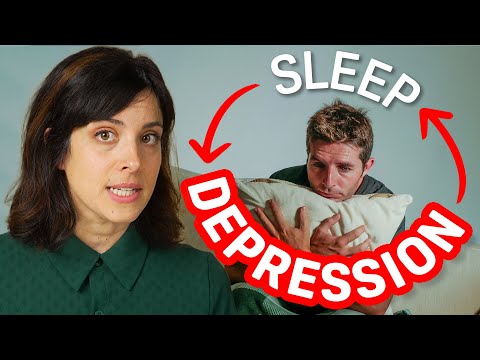
You know that feeling when you just can’t sleep? It’s the worst, right? But, what if I told you that sleep could actually help with depression? Sounds weird, huh?
Well, hear me out. More and more people are finding that a good night’s rest might be the key to feeling better. Seriously!
Sleep therapy is becoming a thing. It’s like a whole new way to tackle those heavy feelings.
Let’s chat about how catching those Zs can turn your mood around and maybe even change your life. Sounds cool?
Discover the New Miracle Antidepressant: Revolutionizing Mental Health Treatment
So, there’s this growing buzz about sleep therapy as a way to manage depression. It’s not exactly what you’d call a miracle antidepressant, but it’s definitely shaking things up in mental health treatment. You see, sleep and mental health are like best buddies; when one’s off, the other usually is too.
Sleep deprivation can mess with your mood. Ever had a night where you just couldn’t catch any Z’s? Next day, it’s like the world’s got a dark cloud hanging over it. Studies show that people with depression often have trouble sleeping. But here’s the kicker: improving sleep quality can actually help improve symptoms of depression.
Now, let me break down why sleep therapy is getting some attention:
Those are some keys to the whole thing. And it makes sense because if you’re well-rested, you’re likely to feel more positive and energized during the day.
But there’s more! Some researchers found that sleep therapy could also work alongside traditional antidepressants or other treatments like talk therapy. Imagine having all these tools in your kit! You could possibly tackle depression from various angles instead of just relying on one thing.
One study even showed that participants who went through sleep therapy noticed significant improvements in their mood after just a few weeks! It’s like when you throw out that old mattress that’s been keeping you up all night and finally replace it with one that’s super comfy—talk about a game changer.
Still, not every approach works for everyone, so finding what clicks for you is key. Also, it’s essential to remember that while sleep therapy offers some promise, it’s not an instant fix or a standalone miracle cure for depression.
So basically, if you’re feeling down and tangled up in sleepless nights, maybe consider bringing this whole sleep therapy thing into the mix. It’s showing potential as an innovative strategy for dealing with depression—no magic pills required! Just remember to chat with your doctor or therapist about what might work best for your unique situation.
Unlocking Mood Boosting Benefits: The Vitamin That Acts as a Natural Antidepressant
So, you’ve probably heard about how important vitamins are for overall health, right? Well, when we’re talking about mood and mental health, there’s one vitamin that gets a lot of buzz: Vitamin D. Yeah, that sunshine vitamin! It turns out it may act as a natural antidepressant.
You see, Vitamin D plays some pretty crucial roles in the body. It helps regulate mood and promotes the production of serotonin, which is a key player in making us feel happy. When Vitamin D levels fall too low, especially in winter when we might not get enough sun exposure, some people can feel a bit down. It’s like your body is saying “Hey! I need some daylight here!”
Interestingly enough, studies have shown connections between low Vitamin D levels and an increased risk for depression. Some researchers suggest that boosting those levels could help lift your spirits. It’s not just about taking a supplement; spending time outside can also do the trick.
But wait—there’s more to think about! Sleep therapy has come into play too. With sleep issues often tied to depression, incorporating good sleep practices could be like hitting two birds with one stone: improving both your mood and rest.
Sleep helps balance hormones and neurotransmitters that affect mood stability. Poor sleep patterns can lead to frustration and exhaustion—definitely not a recipe for cheerfulness! If you’re feeling down and it’s dragging on your energy levels or sleep quality, it might be worth exploring both Vitamin D intake and better sleep habits.
Think about it this way: combining light exposure during the day with good sleep hygiene may really enhance your mood over time. Maybe try taking walks outside during lunch breaks or moving those late-night screens away from bedtime—you know?
Just remember though, it’s always best to talk to a healthcare provider before jumping into supplements or changing habits drastically. Everyone’s body reacts differently.
In summary:
- Vitamin D helps regulate mood by influencing serotonin production.
- Low levels can be linked with higher depression risk.
- Sunlight exposure is key for boosting Vitamin D naturally.
- Sleep therapy can significantly improve mental health by stabilizing hormones.
- A holistic approach combining these elements might be the best strategy.
So keep shining bright—whether it’s through sunlight or simply focusing on getting those rich Zzz’s at night!
Exploring the Current Use of Trazodone for Treating Depression: Is It Still Effective?
Trazodone has been around for a while, you know? Originally approved as an antidepressant, it’s also got this side gig as a sleep aid. So, is it still effective for treating depression? Let’s get into that.
Trazodone and Depression
Trazodone works mainly by affecting serotonin in the brain. Serotonin is this chemical that helps regulate mood. When it’s out of whack, you can feel low or anxious. The thing is, trazodone isn’t the first line of treatment for depression anymore. Nowadays, doctors often start with SSRIs like fluoxetine or sertraline. But trazodone can still be a solid choice, especially if you’re also struggling with sleep issues.
Sleeping difficulties are super common when you’re feeling down. It’s like a cycle; poor sleep can make depression worse, and depression can mess with your sleep. That’s where trazodone really shines. It helps knock people out at night while also lifting their mood during the day—at least that’s what many folks report.
Current Use in Treatment
Now let’s talk about how it’s used these days. Trazodone is often prescribed alongside other medications or therapies to create a more balanced approach to treating depression. Doctors might suggest starting with lower doses since higher ones can cause side effects like grogginess or dry mouth.
- Combination Therapy: Sometimes, doctors will prescribe trazodone along with an SSRI.
- Sleep Issues: If someone is battling insomnia along with depression, trazodone can be particularly helpful.
- Side Effects: Most are manageable but include drowsiness and dizziness.
Real-World Experiences
Let me share a little story here: A friend of mine had a rough patch filled with anxiety and sleepless nights. After trying a couple of standard antidepressants without luck, her doctor recommended trazodone. Within weeks, she noticed an improvement not just in her sleep but also in her overall mood! While everyone reacts differently to medications, hearing her experience made me realize how valuable this med still is for some people.
It’s essential to remember that medication isn’t magic though; it often works best when paired with therapy—like cognitive behavioral therapy (CBT) or mindfulness practices.
The Bottom Line
So yeah, trazodone is still hanging in there as an option for treating depression—especially when paired up with other methods to deal with those pesky sleep issues too! Always keep communication open with your healthcare provider about what feels right for you.
Finding the right combination takes time and patience but knowing there are options out there helps ease the burden just a bit more!
You know, sleep is one of those things we often take for granted. I mean, when you’re feeling good, it’s easy to think of sleep as just… well, sleep. But when depression hits? That’s a whole different ballgame. Suddenly, you might find yourself tossing and turning all night or sleeping way too much – neither of which does any favors for your mood.
So here’s the thing: there’s this newer approach called sleep therapy that’s gaining some traction in managing depression. And honestly? It makes a lot of sense. Think about it – when you’re exhausted, everything feels heavier. Getting good quality sleep can really help lift that fog of sadness that often comes along with depression.
I remember a friend who struggled with this. She was in a tough spot, feeling low and lethargic all the time. After countless failed attempts at various treatments, she stumbled upon a sleep therapist. Instead of just talking about her feelings or trying different medications right away, they focused on her sleep patterns first. They worked on bedtime routines and even some relaxation techniques before bed. Over time, she started to feel more energized and even hopeful again.
Sleep therapy isn’t just about counting sheep or taking naps during the day; it’s more like training your brain to understand that rest is essential for emotional balance. We know that poor sleep can mess with your hormones and increase stress levels—two big players in the game of depression.
And what’s really cool is that this approach emphasizes habit-building; it encourages you to create healthy habits around sleep rather than just looking for a quick fix. It’s kind of empowering, don’t you think? You’re actively taking steps to heal yourself.
Navigating through depression can be such an isolating experience. But incorporating better sleep practices can not only enhance your mood but also give you a sense of control back in your life—something so crucial when everything feels chaotic or heavy.
At the end of the day, if you’ve been wrestling with sadness or low energy levels, maybe it’s time to peek into how you’re sleeping—or not sleeping! It could be an important piece of that puzzle towards feeling better overall.