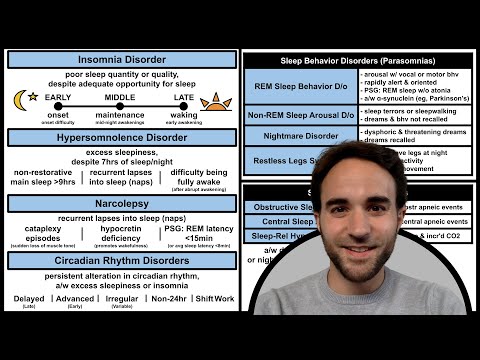
You know how some nights you just can’t seem to close your eyes? Or maybe you’re out like a light but still feel like a zombie in the morning. It’s wild how sleep and our brains are totally linked, right?
So many people struggle with sleep-wake cycle disorders. It messes with your mental health in ways you might not even realize. You’re tired, maybe anxious or irritable, and it just keeps spiraling.
Let’s chat about what this all means. We’ll sift through the ups and downs of sleep issues and how they shake hands with your mental wellbeing. It’s a journey worth taking!
Understanding Sleep Inversion Causes: Key Factors Affecting Your Mental Health
So, let’s chat about sleep inversion and how it can mess with your mental health. First off, if you’re wondering what sleep inversion is, it’s when your sleep patterns flip around. Think of it like being a night owl stuck in daylight hours. Instead of sleeping at night, you’re wide awake, and then you crash during the day—totally not what your body was designed for!
Now, there are some **key factors** that can cause this kind of sleep disruption:
- Stress and Anxiety: If your mind is racing with worries or tension, it can seriously throw off your ability to sleep when you need to. Maybe you’re stressing over work or personal issues, and suddenly it’s 3 a.m., and you’re still scrolling through social media.
- Irregular Sleep Schedule: If you’re always going to bed at different times or pulling all-nighters, that inconsistency can confuse your body clock. This is kinda like sending mixed signals to your brain about when it’s time to wake up or wind down.
- Light Exposure: Ever notice how bright screens keep you awake? Blue light from phones and computers tricks your brain into thinking it’s daytime. This artificial light in the evening can mess with melatonin production—the hormone that helps regulate sleep.
- Caffeine Consumption: Sure, coffee makes mornings bearable, but drinking caffeine too late in the day can keep you buzzing when you should be hitting the hay. It’s all about timing; try cutting it off by the afternoon.
- Underlying Health Conditions: Some medical issues like depression or chronic pain can lead to a switch-up in sleep patterns. For example, if you’re living with depression, it might seem more natural to sleep all day rather than face the challenges of life.
- Lifestyle Choices: Things like irregular work hours (think shift work) or even late-night partying can lead to those inverted patterns. Your body craves routine; so breaking that routine affects everything.
Let’s pause for a sec—I remember chatting with a friend who was dealing with this stuff firsthand. They worked night shifts but missed out on socializing during the day. It created this cycle where they felt groggy at inappropriate times and super alert when they wanted to crash. Imagine trying to engage with friends while fighting off tiredness; that’s rough!
Alright, moving on! So why does all this matter? Well, when your sleep schedule is out of whack due to inversion, it affects your mental health big time. Poor sleep can lead to heightened feelings of stress and anxiety or even worsen symptoms of depression—it’s like an unwelcome spiral.
Inverting your natural sleep-wake cycle isn’t just about feeling sleepy; it affects **everything**—your mood swings, energy levels, focus—you name it! Basically: if you’re struggling with mental health issues alongside wonky sleep patterns—like flipping them upside down—you might want to address both parts simultaneously.
To wrap things up: getting back on a regular schedule is key! Your body loves rhythms—you know? So setting consistent times for waking up and hitting the sack could make a huge difference for ya. But hey—it takes time! If you’re ever feeling overwhelmed by these changes or unsure where to start—talking with a therapist might give you some insights tailored just for you.
Remember: You are definitely not alone in this!
Understanding the Sleep Circadian Interface: Key Insights into Mental Disorders
Understanding the connection between sleep and mental health is really crucial. You see, our bodies operate on a *circadian rhythm*, which is like an internal clock that tells us when to sleep and when to wake up. This rhythm is regulated by light, darkness, and other external cues. So, if you’re feeling off—like more anxious or irritable—your disrupted sleep schedule might be part of the problem.
Sleep Disorders are more common in people with mental health issues. For instance, folks with depression might experience insomnia or hypersomnia (sleeping way too much). This creates a nasty cycle; lack of sleep can worsen depression, which in turn makes sleeping harder. It’s like being stuck on a merry-go-round that just won’t stop.
Another disorder to think about is anxiety. Those racing thoughts before bedtime? Yeah, they can keep you awake at night. If your mind’s going a mile a minute thinking about work deadlines or social situations, it’s tough to wind down. That leads to poor sleep quality and makes anxiety feel worse by the next day.
Then there’s seasonal affective disorder (SAD). This one usually hits during the darker months when there’s less natural light. The body craves sunshine to help regulate mood and energy levels through proper sleep-wake cycles. People with SAD often struggle with both their mood and their sleep, making it doubly hard to cope during winter.
One real-life example comes from my buddy Sarah. She used to stay up late scrolling through her phone and then feel tired during the day. That lack of good-quality sleep added serious stress on her anxiety levels. Once she started setting a regular bedtime routine—like dimming lights an hour before sleep—she found it easier to relax at night and felt better overall.
Also important are sleep-wake cycle disorders, such as delayed sleep phase disorder (DSPD). If your body wants to stay up super late but you’ve got work early in the morning, it messes everything up! DSPD can lead people down a path of insomnia or feel chronically fatigued because they can’t align their internal clock with societal demands.
Here are some key points about this whole interface:
- Circadian rhythms affect mood regulation.
- Poor sleep hygiene can exacerbate mental health issues.
- Anxiety disorders often cause insomnia.
- Seasonal changes can disrupt mood & sleeping patterns.
- Scheduling habits influence the severity of sleep disorders.
To wrap things up, taking care of your sleeping habits isn’t just about feeling tired; it’s vital for your mental health too. Whether it’s changing your bedtime routine or talking about these issues with someone who gets it—you’ve got options! Recognizing how these patterns connect can help you get off that merry-go-round and lead you toward healthier days ahead.
Understanding Reverse Sleep Cycles in Babies: Tips for Better Sleep for Your Family
So, let’s talk about reverse sleep cycles in babies. Seriously, if you’ve ever had a little one who seems to sleep like a bat during the day and then is wide awake when the sun goes down, you know what I’m talking about. These funky sleep patterns can really throw a wrench in family life, right?
To start off, **reverse sleep cycles** are when babies sleep more during the day and are more alert at night. This can be super frustrating for parents who are just trying to catch some Zs themselves! The thing is, many factors can contribute to this.
Newborns naturally have irregular sleep patterns because they’re adjusting to life outside the womb. They often sleep for short bursts of about two to four hours—day or night. But as they grow, their bodies start developing a more regular cycle.
Sometimes babies experience **disruptions** due to things like teething or changes in routine. So if your baby is suddenly partying all night long and snoozing through brunch, it could be a phase. Hang in there!
Here’s where it gets tricky though: poor sleep can impact mental health for everyone involved. Seriously! Lack of sleep can make parents feel irritable and stressed—like walking zombies on autopilot. And let me tell you; that stress can seep into how you interact with your baby.
If you’re stuck in this loop, here are some ideas that might help:
- Create a Routine: Kids thrive on consistency! Establishing a calming bedtime routine can signal it’s time to wind down.
- Limit Daytime Naps: If your baby sleeps too much during the day, try waking them earlier from daytime naps.
- Keep It Dark: When it’s time for bed at night, make sure the room is dark and quiet.
- No Screen Time: Put away devices an hour before bed; screens can mess with their natural rhythm.
- Watch Feeding Times: Sometimes feeding before bed helps them feel full and sleepy.
Expect some trial and error as you figure out what works best for your family; every baby is different! Also remember that babies have growth spurts which may cause changes in their sleeping habits temporarily.
And honestly? Don’t forget to take care of yourself too! It’s easy to get swept up in caring for your little one while neglecting your own needs. Ask for help if you need it—whether it’s friends or family stepping in for babysitting or even just someone to lend an ear when you’re feeling overwhelmed.
In short, dealing with reverse sleep cycles isn’t easy—it takes patience and sometimes creative solutions. It won’t last forever though; hang tight! You’re doing great navigating this wild journey called parenthood!
You know, sleep is one of those things that seems simple until it’s not. I mean, we all need it, right? But what happens when your sleep is just a mess? Sleep-wake cycle disorders can really throw a wrench into the works, impacting not just how rested you feel but also your mental health. It’s kind of like a double whammy.
I remember chatting with a friend who was dealing with insomnia. She’d lay awake for hours, staring at the ceiling. It wasn’t just annoying; it made her anxious and cranky the next day. And by the time evening rolled around, she was dreading bedtime even more—like it was this huge monster waiting to pounce. That’s what happens; your mind starts to twist itself into knots over something as basic as sleeping, and suddenly it spirals into anxiety or depression.
So, here’s the thing: sleep-wake disorders can be caused by various factors—stress, medical conditions, or even lifestyle choices. If you’re staying up late scrolling through your phone (guilty!), that blue light isn’t doing you any favors. Seriously! It messes with your body’s natural rhythms and can trigger or worsen mental health issues.
And then there’s this vicious cycle where poor sleep amplifies feelings of depression or anxiety. You feel low energy and can’t focus during the day because you’ve barely slept last night. Then you stress about how tired you’ll be tomorrow—that’s just exhausting to think about!
Breaking that cycle isn’t easy but not impossible either! You could start small—maybe try relaxing activities before bed instead of screens? Yoga or reading could help signal to your brain that it’s time to wind down.
It’s also crucial to talk about these struggles without shame—it’s so common! A good therapist can help navigate through both sleep issues and any mental health concerns tangled up in there.
So yeah, tackling sleep-wake disorders isn’t just about counting sheep; it’s about understanding how deeply our mental health is tied to our rest patterns—and taking steps toward better nights and brighter days ahead!