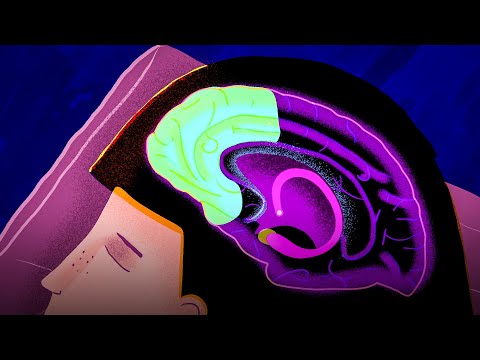
You know that feeling when you just can’t fall asleep? Or you wake up way too early and can’t get back to dreamland? Yeah, it’s the worst. Sleep is one of those things that seems so simple, but when it goes sideways, everything else feels off.
So, what’s the deal with our sleep cycles? They’re like little internal clocks that help us recharge. But when those clocks get messed up—whether from stress, late-night scrolling, or just life in general—it can hit hard.
Your mood dips. Focus takes a hike. And those anxious thoughts? They start to creep in more than usual. It’s like a messy domino effect! Let’s chat about how those sleep disruptions are not just about feeling groggy; they have some serious impacts on mental health too.
Understanding the Connection Between Pain and Sleep: Does Discomfort Wake You Up?
The connection between pain and sleep is pretty complex, and it’s something many people don’t really think about. You might not realize how much discomfort can mess with your sleep cycle. So, let’s break it down!
When you’re in pain—like if you have a bad back or throbbing headaches—it can totally disrupt your ability to fall asleep or stay asleep. You know how it is: you get comfortable, maybe even close your eyes, but then BAM! That sharp pain kicks in, and you’re wide awake again.
Basically, there are a few reasons why discomfort can wake you up:
- Physical Discomfort: If your body hurts, it’s like having this loud alarm going off in your brain. It pulls your attention away from resting.
- Stress Response: Pain can trigger stress hormones like cortisol. This makes it harder to relax and dive into deep sleep.
- Sleep Cycle Interruption: Healthy sleep has cycles that include light and deep sleep stages. Pain can keep you stuck in lighter stages of sleep, meaning less restorative rest.
Think about that time when you had a toothache at night; every little shift made the pain worse, right? That constant awareness of discomfort can keep your brain churning instead of drifting smoothly into slumber.
Another interesting thing is that the type of pain matters too. Chronic pain conditions—like arthritis or fibromyalgia—can lead to insomnia or fragmented sleep quality over time. And this isn’t just about getting tired; lack of decent sleep contributes to mental health issues like anxiety or depression.
You might feel grumpy after a rough night, but ongoing disruptions can make feelings of sadness or worry way more intense. You end up stuck in this cycle where pain messes with sleep, making mood swings even harder to handle.
And here’s another kicker: poor sleep might actually amplify how much pain you feel! Studies show that when someone doesn’t get enough restful zzz’s, they tend to perceive their pain as worse than it actually is. Imagine being tired and sore; everything just feels heavier.
So what do we do here? Honestly? Finding ways to manage both your pain and sleep is crucial. Things like relaxation techniques could help ease tension before bed. Breathing exercises, gentle stretches, or even meditation might work wonders for calming your mind and easing discomfort.
Understanding the bond between pain and slumber helps remind us how intertwined our physical wellness is with our mental state. Pain isn’t just something we deal with; it shapes our entire experience of life—including how well we catch those zzz’s!
Understanding the Connection Between Insomnia and PTSD: Can Sleep Disruptions Lead to Trauma?
So, let’s talk about insomnia and PTSD. It’s a big deal for many folks, and understanding their connection can really shed light on what’s happening in someone’s mind and body.
Basically, insomnia is when you have a hard time falling asleep, staying asleep, or even waking up too early. It’s like your brain just won’t quiet down. Now, when we look at PTSD, or post-traumatic stress disorder, it stems from experiencing or witnessing something traumatic. This can leave a person feeling on edge, anxious, or even scared when they think about what happened.
The weird thing is that sleep disruptions can actually make trauma worse. Picture this: you’ve gone through something really tough and your body is in fight-or-flight mode all the time. That kind of stress messes with your sleep cycles. You might be tossing and turning all night or waking up feeling like you didn’t sleep at all.
- Stress Hormones: When you’re stressed out from PTSD, your body releases hormones like cortisol that keep you awake and alert. This can create a cycle where lack of sleep heightens your stress levels even more.
- Nights Full of Nightmares: Folks with PTSD often experience nightmares related to their trauma. These dreams can trigger strong emotions that wake you up repeatedly during the night.
- Panic Attacks: Imagine waking up in the middle of the night feeling panicky for no reason—this happens to people with PTSD sometimes and it definitely doesn’t help them get restful sleep.
This connection between insomnia and trauma can be tough to navigate. For instance, let’s say someone went through a bad accident; they might not only relive the event in their nightmares but also struggle to fall asleep out of fear that it’ll happen again—or worry about something else entirely!
You might be wondering how we break this cycle? Well, things can get better! Treatment often involves therapy approaches like Cognitive Behavioral Therapy (CBT), which helps change negative thought patterns around sleep and trauma. Sometimes medications are prescribed too—to help ease anxiety so that sleep comes easier.
The thing is: regular consultations with a mental health professional can make all the difference in managing these symptoms together. Finding ways to cope with both insomnia and PTSD isn’t just possible; it’s totally achievable!
The bottom line? Insomnia isn’t just a nuisance—when it gets tangled up with PTSD, it can create real challenges for mental health overall. But recognizing this link opens doors to treatment options that could lead to better days ahead.
Exploring the Causes of Interrupted Sleep: Understanding Sleep Disruptions and Their Effects on Mental Health
Sure, let’s dive into it! Sleep disruptions can really mess with your head and your overall well-being.
Sleep is essential for mental health. If you think about it, those cozy hours spent snoozing are when your brain gets to recharge and do some serious housekeeping. But when your sleep gets interrupted? That’s when things can start to spiral.
What causes these interruptions? There’s actually a bunch of reasons, and they all can hit you at different times. Let’s break it down:
- Stress and Anxiety: When you’ve got a lot on your mind, it can feel impossible to relax. You might find yourself tossing and turning, replaying the day or worrying about tomorrow.
- Poor Sleep Environment: Things like noise, light, or even an uncomfortable mattress can keep you from slipping into deep sleep. You know that feeling when you’re too hot or cold? It’s distracting!
- Caffeine and Diet: Those late cups of coffee might seem harmless but they can totally mess with how quickly you fall asleep. And eating heavy meals right before bed isn’t exactly a great idea either.
- Screens Before Bed: Scrolling through social media or binge-watching shows late at night? The blue light emitted from screens tricks your brain into thinking it has to stay awake.
- Mental Health Disorders: Conditions like depression or bipolar disorder can significantly affect your sleep patterns, making them more unpredictable.
Now let me tell ya about my buddy Chris. He was going through a tough time at work and started stressing way too much about deadlines. He’d lie in bed staring at the ceiling for hours instead of sleeping. It tossed his entire routine off! He felt cranky during the day, couldn’t focus, and soon found himself stuck in this cycle of anxiety and interrupted sleep.
This ongoing lack of sleep has serious consequences too. It’s not just about feeling tired; the thing is that sleep disturbances can lead to greater issues down the line:
- Mood Changes: We all know that irritable feeling after a bad night’s sleep, but prolonged disruptions could lead to more severe mood swings or even depression.
- Cognitive Problems: If you’re not getting quality zzz’s, focusing on tasks becomes harder – think memory problems or a foggy brain.
- Bigger Health Issues: Chronic sleep disruption is linked to various health problems such as heart disease or diabetes over time.
So what do you do if you’re caught in this cycle? Well, creating good habits around sleep could be a game-changer! Things like setting a consistent bedtime routine can help signal your body that it’s time to wind down.
In summary, sleepless nights aren’t just tiring; they’re reflections of something deeper. Whether it’s stress, environment changes, or other factors affecting you—don’t take them lightly! Look for ways to cultivate better habits because prioritizing your mental health includes snuggling up for those much-needed restorative hours.
You know, sleep is one of those things we often take for granted until it goes sideways. I remember this one week when I was pulling all-nighters for work deadlines. Like, serious sleep deprivation mode. I thought I was being super productive, but wow, my mood took a nosedive. Everything felt overwhelming, and my brain was running on fumes. It’s wild how much our sleep impacts not just our energy levels but also our overall mental health.
Sleep cycles—there’s a lot going on there. Basically, when you’re sleeping, your body goes through different stages: light sleep, deep sleep, and REM (that’s where all the dreaming happens). Ideally, these cycles repeat about four to six times a night. But if you’re restless or up late scrolling through your phone, those cycles get messed up. Suddenly, you’re not just tired; you’re irritable and anxious.
So let’s break it down a little more. When we don’t get enough quality sleep, it can lead to issues like anxiety and depression. You might find yourself feeling more stressed out about little things that usually don’t bother you at all—like missing a small detail in a project or getting stuck in traffic. It feels like every day starts with clouds hanging over your head.
And there’s this fascinating feedback loop too! Poor sleep can cause mental health issues; then those issues can make it even harder to catch some Zs! Think of it like being on a treadmill that just won’t stop—you run harder, but you’re still not getting anywhere.
But here’s the kicker: improving your sleep can seriously help lift your mood and boost mental clarity. It’s like hitting the refresh button on your brain! So maybe next time you find yourself burned out from binge-watching shows or scrolling endlessly online at 2 AM (we’ve all been there!), remember that this stuff matters.
Finding ways to improve your sleep hygiene—like making your bedroom a comfy sanctuary or setting regular bedtime routines—can really change the game for how you feel day-to-day. Because when it comes down to it? Your mental health deserves better than sleepless nights and groggy mornings! And who wouldn’t want brighter days ahead?