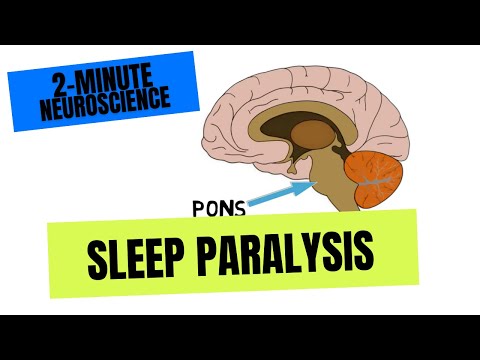
You know that feeling when you wake up but can’t move? It’s like your body’s playing a prank on you. Seriously, it can be super scary.
So, picture this: you’re wide awake and yet trapped in your own bed. Sounds like something straight out of a horror movie, right? But it happens to a lot of people.
Sleep paralysis is one of those things that makes folks feel totally freaked out. You feel stuck between sleep and wakefulness. And honestly, it can leave you wondering what just happened.
But here’s the thing—there’s more to it than just fear. It’s your mind and body working together in a really wild way. So let’s dig into what sleep paralysis really means and how it connects to our everyday lives. You in?
Understanding Sleep Paralysis: The Effects on Brain and Body Explained
Sleep paralysis can feel like a scene straight out of a movie, but it’s all too real for many people. Imagine being awake and aware but unable to move your body—seriously, terrifying stuff. You might feel pressure on your chest, see shadows lurking in the corners of your room, or hear weird noises. It’s not just your imagination running wild; there’s some deep stuff going on in your brain and body that kicks in during these moments.
Basically, what happens is that during sleep, especially in REM (Rapid Eye Movement) sleep, our brains are super active. It’s that phase when dreaming usually occurs. However, our bodies are kind of “frozen,” which prevents us from acting out our dreams and potentially hurting ourselves. So when you wake up during this REM stage but the “frozen” part hasn’t worn off yet? Well, you get sleep paralysis.
Your brain is still processing dreams while you’re wide awake. That disconnect can lead to experiencing hallucinations—like seeing someone standing beside your bed! Yikes! Hallucinations are a major part of the sleep paralysis experience because they mix that waking awareness with remnants of dreaming.
And speaking of emotions, the panic sets in fast when you can’t move or speak. Your heart races like it just got chased by a bear—totally understandable when you’re feeling trapped! The body’s stress response kicks in too; you might sweat or notice your breathing getting heavier. Seriously, it’s like all systems go on worry mode.
Now let’s talk about why this happens to some people more than others. Stress and anxiety are big triggers for sleep paralysis episodes. When life throws curveballs at you—whether it’s work stress or personal issues—it can mess with your sleep cycles. Poor sleep habits don’t help either; irregular sleeping patterns can easily increase your chances of having an episode.
But it doesn’t stop there; other factors include sleeping on your back (hello again pressure on the chest!) and certain sleeping disorders like narcolepsy. So if you’re waking up feeling trapped regularly? It might be time to rethink how you’re sleeping or even chat with someone about what’s going on in your head.
Here are a few things to keep in mind about sleep paralysis:
- It’s more common than you’d think.
- Around 8% to 12% of people experience it at some point.
- It’s often linked with disrupted sleep patterns.
- Panic attacks while awake may also increase chances.
In terms of coping strategies, you might find relaxation techniques beneficial before heading to bed. Meditation or deep breathing could help calm that anxious brain down before you drift off—and maybe reduce episodes overall.
You’re not alone if you’ve had this experience! Many folks share stories of their own wild encounters with sleep paralysis, which can make for great campfire tales but also show how common it is across different lives.
So remember—not moving doesn’t mean something sinister is really happening; it’s just one strange twist in the way our minds and bodies interact during sleep. Your experiences matter and understanding them a little better might help ease some of that fear next time you find yourself caught between dreaming and waking up!
Understanding Sleep Paralysis: Is It a Trauma Response?
Sleep paralysis can be pretty freaky. Imagine waking up and being completely aware of your surroundings but unable to move or speak. It’s like your mind is wide awake while your body just won’t cooperate. Trust me, you’re not alone in this. Many people experience it, and it can feel terrifying.
So, what is sleep paralysis? Basically, it’s a state that occurs when you’re waking up or falling asleep. Your brain is active, but your muscles are still in the deep-sleep mode where they stay relaxed and immobile. It happens during the transition between sleep stages, often during REM sleep—the part of sleep where dreaming happens.
Now to the big question: **Is sleep paralysis a trauma response?** Well, there’s no simple yes or no answer here. Some research suggests that experiences of sleep paralysis can be linked to anxiety or stress. If you’ve gone through something traumatic, your body might react differently when it comes to rest. So if you’ve experienced trauma in your life—like losing someone close or going through a tough time—it could increase the likelihood of having those unsettling episodes.
Here are some points to consider:
- Stress Levels: High-stress situations can play a big role in triggering sleep paralysis.
- Sleep Deprivation: Not getting enough shut-eye can heighten the chances.
- Sleep Disorders: Conditions like narcolepsy might involve more frequent episodes.
- Cultural Context: Different cultures have various beliefs about sleep paralysis that may influence the experience.
Think about this for a second: imagine someone who has been through a really rough breakup. They’re stressed out and struggling with anxiety while trying to sleep at night. This person might find themselves experiencing more frequent episodes of sleep paralysis as their mind wrestles with these intense emotions even when they try to rest.
Anecdotal evidence also shows that certain people report seeing shadowy figures or feeling an overwhelming sense of dread during these moments. It’s like their brain is mixing reality with nightmares—a response that could stem from high levels of stress or past trauma trying to surface.
Now don’t get me wrong; not every case of sleep paralysis means there’s unresolved trauma involved. Lots of folks experience it without any significant emotional baggage hanging over them! But if you do find yourself dealing with both issues—sleep paralysis and previous trauma—it’s worth considering how they might relate.
And here’s the kicker: understanding what’s happening in your mind during these episodes can help demystify them a bit! Recognizing that it’s just your body caught in an odd state between wakefulness and dreaming lets you put some distance between yourself and the fear that comes along with it.
So yeah, while we’re still piecing together all the connections between trauma responses and sleep phenomena like this one, it helps to keep an open mind about how our mental health influences our physical experiences—even while we’re sleeping!
Exploring the Spiritual Connection: Understanding Sleep Paralysis and Its Mystical Implications
Sleep paralysis is one of those things that can totally freak you out. You wake up, feel all heavy, and can’t move or speak. It’s like being stuck in your own body, right? But it’s not just a weird sleep thing; for some folks, it takes on a whole new layer—like a spiritual experience or even something mystical.
When it happens, a lot of people report feeling an eerie presence in the room. Some say it feels like someone is sitting on their chest or watching them. It’s so common that cultures around the world have their own interpretations. Like, in some traditions, it’s seen as an encounter with spirits or even extraterrestrial beings. Others think it might be linked to certain kinds of meditation or out-of-body experiences.
Here’s the thing: **sleep paralysis occurs during the transition between wakefulness and sleep**, usually when you’re waking up or falling asleep. Your body goes into REM (Rapid Eye Movement) sleep mode—where we dream—but then you wake up but your brain hasn’t fully re-engaged your muscles yet. So you’re aware but immobile. Pretty wild!
It can be super unsettling because **you’re conscious but unable to control your body**. Many people feel intense fear during these episodes, which is completely understandable! I remember chatting with a friend who had this happen to her once; she described it as being trapped in a nightmare where she could see her room but couldn’t scream for help.
Now let’s consider how this connects to spirituality. Some cultures interpret sleep paralysis as a sign of spiritual awakening or transformation. They see it as an invitation to explore inner fears and barriers. This sense of deep connection could also stem from the feeling of vulnerability that comes with being unable to move—a reminder of our limits as humans.
- Fear and Vulnerability: Feeling powerless can lead us to reflect on deeper emotional issues.
- Spiritual Encounters: Some people believe these episodes are visits from spirits or other entities.
- Cultural Interpretations: Different cultures have unique views on what causes sleep paralysis.
- Mental Health Links: Anxiety and stress often contribute to these experiences—making them more frequent.
So yeah, while science explains sleep paralysis through biology and psychology, right? There’s also this fascinating layer where people connect their experiences to spirituality and personal growth. Just imagine connecting something that sounds scary at first into a possible catalyst for deeper understanding about yourself! That’s powerful stuff.
In short, whether you view sleep paralysis as just a sleep disorder or something more mystical really depends on your perspective—and maybe even your beliefs about life and consciousness itself! It’s one of those instances where science meets the unexplained mysteries of our minds and souls.
So, let’s talk about sleep paralysis. It’s that weird moment when you wake up and can’t move. Your mind is like, “Hey, I’m awake!” but your body? Not so much. You might feel like there’s a weight on your chest or even see things in the room that aren’t really there. Honestly, it feels like a horror movie where you’re trapped, right?
You know, I had a friend who experienced this a lot. One night she woke up to her bedroom door slowly creaking open. She couldn’t move or call for help. Just laying there, frozen in fear and confusion. Turns out, it’s pretty common! Most people experience it once or twice in their lives.
So what causes this freaky feeling? Well, when you sleep, your brain cycles through different stages—light sleep to deep sleep and REM (that’s when you dream). During REM sleep, our bodies are paralyzed to stop us from acting out our dreams. Sometimes your brain wakes up before the body catches up. That’s when the fun begins—your mind is awake but your body is still snoozing away.
Stress and irregular sleep patterns can amp up the chances of experiencing sleep paralysis too. So if you’re juggling work stress with late-night Netflix binges… yeah, not ideal for sweet dreams.
What’s super interesting is how many people report seeing similar things during these experiences—like shadows or pressure on their chest. This universality hints at how our minds process fear and anxiety collectively.
But don’t sweat it too much! Most folks only deal with this every now and then. Keeping a regular sleep schedule and managing stress might help reduce the chances of waking up paralyzed in bed.
It’s all tied to that mind-body connection we often overlook: our thoughts can impact how we feel physically, especially during rest periods. Feeling more relaxed can go a long way in keeping those spooky episodes at bay.
So if you’ve ever found yourself stuck in that twilight zone of waking nightmares—it’s not just you! Just remember to breathe through it and maybe chat with someone about it if it becomes a regular thing for you. Knowing you’re not alone can seriously ease that fear factor.