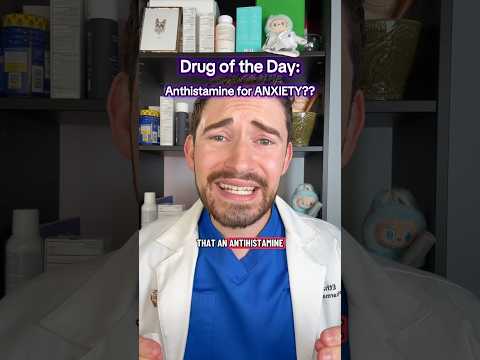
You know those nights when your mind just won’t shut up? Yeah, I’ve been there too. It’s like you’re stuck in a loop of worries and what-ifs.
For a lot of us, that’s where anxiety creeps in—like an uninvited guest who just won’t leave. And when it gets overwhelming, some folks turn to sleeping tablets.
But here’s the thing: while they can help, it’s super important to use them safely. I mean, we all want a good night’s sleep without the hangover the next morning, right?
So let’s chat about using these meds smartly, so you can finally get some peace and quiet when you need it most!
Exploring the Use of Sleeping Pills for Anxiety: What You Need to Know
So, let’s talk about sleeping pills and anxiety. You’re probably aware that many people struggle with anxiety. It can mess with your daily life, right? And when you can’t sleep because of it, it’s like a double whammy. That’s where sleeping pills come in. But do they really help? And are they safe? Let’s break it down.
First off, **sleeping pills** are designed to help you catch some Zs. Generally, they’re meant for short-term use. But here’s the thing: many folks start using them to manage anxiety because a lack of sleep can totally amplify those anxious feelings. It creates this vicious cycle—you can’t sleep because you’re anxious, and then being tired makes you more anxious. You follow me?
Now, there are different types of sleeping pills: some are over-the-counter, while others require a prescription. Over-the-counter options might include stuff like diphenhydramine (hello, Benadryl!) or melatonin—stuff that kind of nudges your body into sleep mode naturally.
But prescription sleeping pills? Those can be stronger and often include medications like benzodiazepines or even non-benzodiazepines like zolpidem (Ambien). These meds often work quickly and can help you get some rest—but **there’s a catch**.
You see, using sleeping pills for anxiety isn’t always straightforward. Here are some key points to consider:
- Potential Dependence: Long-term use can lead to dependency. You might find yourself needing the pill just to feel normal.
- Side Effects: These can range from grogginess to memory issues. Seriously, waking up not remembering where you put your keys is no fun.
- Anxiety Relief vs Sleep Aid: They may not directly reduce anxiety symptoms but just help you sleep better.
- Withdrawal Symptoms: Stopping suddenly can lead to rebound insomnia or even increased anxiety—totally counterproductive!
Like I mentioned before, when using these medications, it’s crucial to think about **how long** you’ll be on them and what other options exist for managing anxiety.
A good example here is therapy—like cognitive-behavioral therapy (CBT)—which has shown great results in reducing anxiety without the side effects associated with sleeping pills.
To wrap it up, sleeping pills might offer some immediate relief if you’re anxious and struggling to sleep—but they aren’t a fix-all solution. It’s super important that you keep communicating with your healthcare provider about what you’re experiencing so they can help steer you in the right direction—and possibly recommend alternatives that might work better for long-term relief without the added worry about dependency or side effects.
Just remember: taking care of your mental health is a journey! And knowing how these medications fit into that journey is key.
Discover the Top 10 Sleeping Pills for Better Sleep: Your Guide to Restful Nights
Sleep’s super important for managing anxiety, and sometimes our brains just don’t want to cooperate when we try to drift off. If you’re thinking about using sleeping pills, you’re definitely not alone. Many folks find themselves wrestling with sleep issues, especially when anxiety is part of the picture. Let’s chat about some common options you might come across and how they can help.
First off, it’s crucial to know that sleeping pills aren’t a magic wand. They can help, but they should be used carefully and ideally under a healthcare provider’s guidance. Here are some types of sleeping medications people often consider:
- Benzodiazepines: Drugs like Valium or Lunesta can ease anxiety and help you fall asleep faster. However, they can be addictive if used long-term.
- Z-Drugs: This includes medications like Ambien. They’re specifically designed for sleep and are usually less habit-forming than benzos.
- Antidepressants: Certain ones like Trazodone are prescribed off-label to assist with sleep. They may also help reduce anxiety symptoms.
- Atypical antipsychotics: Medications like Seroquel. These aren’t first-line treatments for insomnia but might be considered in some cases.
- Over-the-counter (OTC) options: Pills containing diphenhydramine, like Benedryl, can help induce drowsiness but may leave you feeling groggy the next day.
- Meditation aids: Some people use melatonin supplements to regulate their sleep cycle. It’s a hormone that your body naturally produces at night.
- Naturals and herbs: Valerian root or chamomile tea might be soothing before bed—though results can vary greatly between individuals.
- Cognitive Behavioral Therapy for Insomnia (CBT-I): Not a pill, but an effective treatment that combines therapy techniques specifically aimed at managing insomnia.
- Dose adjustment: A healthcare professional might adjust your medication type or dosage based on how your body responds over time.
- Lifestyle changes: Alongside medication, addressing things like stress management techniques or establishing a bedtime routine is key!
Now let me share something personal here: I once had this friend who really struggled with sleepless nights because of anxiety—they tried over-the-counter stuff and even some prescription meds, but what really helped was combining them with relaxing bedtime rituals. Seriously! Just switching off their screens an hour before bed made such a difference.
So while sleeping pills can offer temporary relief from those restless nights tangled up in anxious thoughts, they’re not the only option out there. The combination of medication with lifestyle shifts—like cutting back on caffeine or practicing relaxation exercises—can create a more holistic approach toward better sleep.
Remember though, it’s all about finding what works best for you—and connecting with a healthcare provider is super important in this journey! They’ll help you navigate your options safely and effectively because at the end of the day, getting quality sleep is essential for managing anxiety levels better.
Quick Tips to Counteract the Effects of Sleeping Pills for Better Sleep
So, you’ve been using sleeping pills to manage your anxiety symptoms, and now you’re wondering how to counteract any grogginess or side effects that come with them? Totally get it. It can be tough trying to find that sweet spot between feeling relaxed enough to sleep but not like a zombie the next day. Here are some thoughts on how to make that whole process a bit smoother.
First off, let’s talk about timing. It’s super important when you take those pills. You don’t want to pop them too early in the evening. So, aim for about 30 minutes before you plan to hit the sack. This way, they kick in right when you need them, and you won’t feel as groggy come morning.
Hydration is key too. Seriously, drinking enough water throughout the day can help clear out your system because sleeping pills can sometimes dehydrate you. Just think of it this way: keeping hydrated might help reduce hangover-like feelings when you wake up.
Consider natural alternatives as well! Herbal teas like chamomile or valerian root can set a calming vibe without the heavy effects of medication. Plus, they’re nice and cozy – perfect for winding down after a long day.
Next up? Create a solid bedtime routine. Your body craves structure! So maybe an hour before bed, dim the lights, put away screens (I know it’s hard), and do something relaxing like reading or meditating. This could help your body adjust smoothly from being awake to ready for sleep.
Also important is making your sleep environment comfortable. Are there clutter or distractions in your room? Like, turning off bright lights and keeping things tidy can really promote relaxation. And hey—throw in some cozy blankets or soft music if that helps!
Avoid heavy meals right before bedtime too; they can mess with your digestive system and lead to uncomfortable nights where you’re tossing and turning instead of snoozing peacefully.
And look at breathing exercises. They’re so underrated! Like taking deep breaths could actually calm those anxious thoughts buzzing around in your head at night. Try inhaling deeply for four counts, then exhaling slowly for six counts.
Now let’s not forget about waking up on schedule. Sticking to a consistent wake-up time—even on weekends—can really help regulate your body’s internal clock.
If those sleepy pills are causing more harm than good over time or leaving you feeling sluggish frequently, don’t hesitate to talk with someone who gets it—like a healthcare professional who understands meds and their effects on anxiety.
At the end of the day, it’s all about finding what works for YOU while keeping an eye on how those sleeping meds affect your life overall. Balance is everything!
So, you know how sometimes life just throws a million things at you all at once? Your mind’s racing, your heart’s pounding, and sleep feels like an elusive dream. Maybe that’s when sleeping tablets come into the picture. They can seem like a quick fix for anxiety symptoms, right? But there’s a lot to think about before reaching for those little pills.
I remember a friend of mine who was going through this tough patch. Anxiety had really taken hold of her. She felt exhausted but couldn’t sleep—a classic catch-22. She started taking those over-the-counter sleeping tablets thinking they’d help her catch some Z’s. And, at first, they did! She felt dozy and ready to drift off after what felt like ages of tossing and turning. But soon, she noticed something wasn’t quite right; the next day she was groggy and out of it. It was almost like the anxiety had found another way in—a sneaky backdoor through the side effects.
The thing is, while sleeping pills can offer temporary relief—like pulling a cozy blanket over your racing thoughts—they don’t solve the underlying issues causing that anxiety in the first place. That said, it’s super important to be thoughtful about using them. You wouldn’t want to rely on them long-term because dependency can creep up on you before you even realize it.
Now let’s get into safety because that’s key here. If you’re considering sleeping tablets as part of an anxiety management plan, talking with a healthcare provider is absolutely essential. They’ll probably want to check in on how long you’d use them and explore other options too, like therapy or relaxation techniques—things that can actually address what’s causing all that stress in the first place.
It’s also worth remembering that not all sleep aids are created equal; some are more sedating than others or can interact with your mood-regulating meds if you’re on any. You definitely don’t want to end up playing medication tug-of-war with your body!
So if you’re struggling with anxiety and thinking about using sleep meds as a crutch for your sleepless nights—maybe take a step back and breathe a little first? You’ve got options out there! It’s all about finding what works for you without losing sight of how crucial it is to tackle that pesky anxiety head-on instead of just masking it temporarily.
In short: make sure you’re informed about everything that comes with taking those pills—like possible side effects and withdrawal symptoms—and never hesitate to reach out for support from professionals who really understand this stuff!