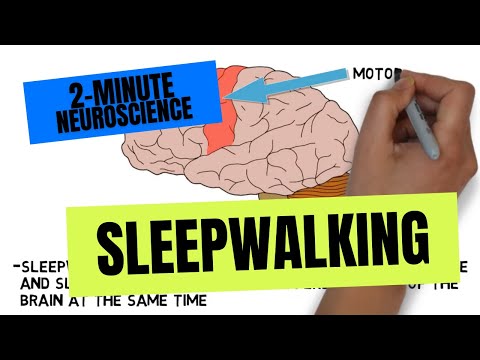
Sleepwalking, huh? It’s that bizarre thing where people wander around in their sleep. Seriously, it can be pretty wild! You may have heard stories of friends or family just getting up and doing stuff at, like, 2 AM.
But what causes this? Why do some folks find themselves traipsing through the kitchen in the middle of the night while they’re completely out cold? It’s kinda spooky when you think about it.
From a psychological point of view, sleepwalking can reveal a lot about what’s going on in our minds while we snooze. There’s more to it than just wandering around aimlessly!
So, let’s dig into the triggers behind sleepwalking and see what those sleepy strolls might be telling us about ourselves. You ready for this?
Understanding the Causes of Sudden Sleepwalking in Adults: Key Insights and Factors
Sleepwalking in adults can be kinda puzzling, right? One minute you’re peacefully snoozing, and the next, you’re wandering around, not even aware of it! Let’s break down some of the causes of this odd nighttime phenomenon using a psychological lens.
Stress and Anxiety are significant triggers. Imagine you’re juggling work pressure and personal issues. That constant stress can disrupt your sleep patterns, leading to episodes of sleepwalking. Picture a friend who’s been dealing with a tough breakup—sleepless nights might lead them to walk around the house in confusion.
Sleep Deprivation is another culprit. If you’re skimping on shut-eye—like binge-watching your favorite series—the brain struggles to get that deep restorative sleep it needs. This lack can trigger sleepwalking episodes too. Think about it: have you ever had a wild night out but felt completely out of it the next day? Your brain’s just trying to catch up.
Medications can also play a role in triggering sleepwalking behavior. Some meds that are meant to help you relax or knock you out might actually push you into this strange state. If you’ve ever taken something like a sedative and found yourself acting all sorts of strange later, you’re not alone—these medications can mess with your sleep cycle.
Underlying Sleep Disorders, like obstructive sleep apnea or restless leg syndrome, often set the stage for sleepwalking. When your body is constantly waking up due to these disturbances, it can lead to those bizarre midnight strolls as well. It’s like having an uninvited guest repeatedly interrupt your peaceful slumber.
Genetics might also play a part here; if you’ve got family members who’ve had their share of late-night adventures, there’s a chance those genes are influencing you too! Just think about how some families pass down quirky habits—sleepwalking could easily be one of them.
Lastly, substance use, including alcohol or recreational drugs, has been linked with sleepwalking as well. It messes with your brain’s ability to regulate deep sleep rhythms properly. Ever seen someone after a party who didn’t seem quite themselves? Well, that could point towards disruptions in their natural sleeping pattern.
In short, if sudden sleepwalking hits you or someone close suddenly outta nowhere, stress levels, lack of proper rest, medications, underlying conditions, family history, and even substance use might all be in the mix! It’s one complex web tying mental health and physical health together while we’re just trying to get some good ZZZs at night!
Understanding the Psychological Causes of Sleepwalking: Insights and Implications
So, sleepwalking. It’s one of those things that can be pretty puzzling, right? You might have heard stories about someone getting up and wandering around while they’re still totally asleep. It’s a real phenomenon, and understanding the psychological causes can really shine a light on why it happens.
First off, let’s get into what sleepwalking really is. It’s classified as a parasomnia, which is basically just a fancy term for sleep disorders that involve abnormal movements or behaviors during sleep. People who sleepwalk often do so in the deep stages of sleep, usually within the first few hours after falling asleep. They might sit up, walk around, or even engage in complex activities—all while being completely unaware of it.
Now, when we look at triggers through a psychological lens, several factors come into play. For starters:
You know that feeling when your mind just won’t shut off? That’s exactly what happens when stress builds up too much; it creates an unstable environment for restful sleep.
There’s honestly something kind of ironic about it: you’d think sleeping less would mean you’d be alert and awake! In reality, it’s like your brain gets so tired that it starts acting out.
It’s kind of creepy when you think about it! Imagine talking to your cousin who does the same quirky stuff while asleep—it makes for great stories at family gatherings.
Then there are also environmental factors. You ever feel like you slept poorly because something was off in your space? Changes like moving to a new place or living with roommates can create an uneasy setting that might trigger these episodes.
Also noteworthy are mental health conditions. Disorders like PTSD or depression can influence sleeping patterns significantly. When your mind is overwhelmed with memories or feelings that are hard to bear, guess what? Your chance of experiencing disturbances in your sleep increases.
But hey—what about treatment? It might sound simple but creating a consistent bedtime routine can work wonders. Setting up calming rituals before bed helps signal to your brain that it’s time for some quality shut-eye. Relaxation techniques like mindfulness or deep breathing exercises are key players here too—they help settle the mind before drifting off.
In some cases where bad habits persist and threaten safety (like wandering into streets!), talking with a professional may give you insights into addressing deeper issues at play—a therapist could help navigate thought patterns and explore any underlying stressors causing the disturbances.
So yeah, when we talk about the psychological causes behind sleepwalking, it really boils down to how our minds handle stress and how well we care for ourselves physically and mentally. There’s more going on than just “they walked in their sleep.” Awareness might be half the battle but understanding opens doors for healthier patterns and peaceful nights.
Understanding Sleepwalking: Stages and Triggers Behind This Mysterious Sleep Disorder
Sleepwalking, or somnambulism, can be pretty mysterious and a bit unsettling. Picture this: you’re sound asleep, and suddenly, you find yourself wandering around your house with no clear memory of it later. This sleep disorder usually happens during non-REM (NREM) sleep, primarily during the deep stages. Let’s break it down.
When we sleep, we go through different stages. Now, NREM has several phases—three of them to be exact:
- Stage 1: This is the lightest stage of sleep where you drift in and out.
- Stage 2: You get a bit deeper here; it’s harder to wake up.
- Stage 3: This is the deep sleep phase, where your body repairs itself.
Most sleepwalking episodes happen in that deep sleep stage (Stage 3). You’re basically caught between sleeping and waking—kind of like being in a dream but not fully aware.
Now let’s talk triggers. Sleepwalking can be triggered by several factors. Stress plays a big role; serious life events or even everyday worries can disrupt your sleep cycle. I remember hearing about someone who started sleepwalking after their dad passed away. The grief was overwhelming, leading to sleepless nights and those bizarre nighttime strolls.
Other common triggers include:
- Lack of Sleep: Not getting enough zzz’s? Your brain might go haywire at night.
- Alcohol Consumption: Heavy drinking can mess with your sleep quality.
- Certain Medications: Some meds affect your sleep patterns or dream states.
Genetics also play a role; if someone in your family sleeps walks, chances are it could happen to you too. And young children seem to do this more often than adults—sometimes they just grow out of it!
It’s important to note that while it might look funny when someone’s wandering around asleep, it can actually pose risks! They could trip or bump into something if they’re not careful.
If you or someone you know is dealing with this issue regularly, it might be worth chatting with a professional. They could provide insights into the triggers and help manage stress levels or improve overall sleep hygiene.
So yeah, understanding what goes on while people are caught in their nocturnal adventures is pretty fascinating! It’s like seeing another side of them while they’re off in dreamland.
Sleepwalking, or somnambulism, is kinda fascinating and a bit mysterious all at the same time. Imagine waking up to find out you’ve strolled around your house, maybe even made a snack, but you don’t remember a thing! That can seriously freak someone out. So, what’s going on in that sleepy head of yours?
From a psychological standpoint, triggers can really vary from person to person. Stress is often a biggie. Think about those times when life gets overwhelming—work deadlines piling up, family drama brewing, or even just too many things on your mind. It’s almost like your brain decides to escape reality in the middle of the night!
I remember one friend who used to sleepwalk when finals were around the corner. The poor guy was so stressed he once found himself attempting to drive his car… while still half-asleep! This actually makes sense; when you’re in that high-anxiety state, it can mess with your sleep patterns and lead you right into sleepwalking territory.
Then there are other triggers like sleep deprivation. You know how when you haven’t had enough zzz’s for days? Your brain starts playing tricks on you. In a way, it’s like your mind is trying to compensate for those missed hours by acting out during sleep—kind of wild if you think about it.
Some folks also have family histories where sleepwalking runs in the family; genetics can play a role too. If grandma was known for wandering into the kitchen at 2 a.m., perhaps that quirky habit got passed down without anyone asking for it!
And let’s not forget medications or alcohol consumption which can sort of throw off your brain’s ability to maintain that precious balance between sleeping and being awake. It’s so easy sometimes to overlook how these factors mingle together.
The psychological lens lets us see that our brains aren’t just shutting down at night—they’re doing their own weird thing! Understanding this can help people feel less crazy about their experiences and give them more direction on how to seek help or manage their triggers.
So if you or someone you know has had sleepwalking episodes, just remember—there’s usually more than meets the eye here! It’s not just some silly midnight adventure; it’s an intricate dance between our minds and bodies that still leaves us with plenty of questions.