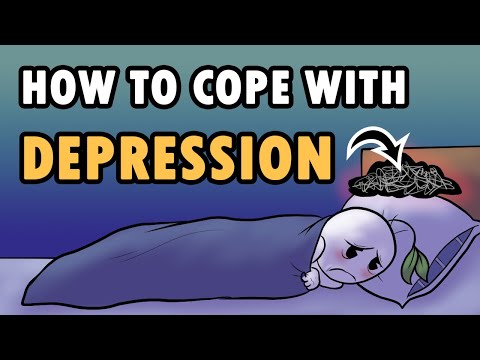
You know, smiling depression is a weird thing. You might look totally fine on the outside—like, even cheerful! But inside, it’s a different story. It feels kind of like you’re living in two worlds at once.
I get it; it’s tough. You’re juggling life, work, and trying to keep everyone happy while feeling heavy inside. Sometimes, it can seem like no one really gets what you’re going through.
But guess what? There’s hope! Seriously. There are ways to cope with it that can make a difference. In this chat, we’ll spill the tea on some effective treatment options that actually help people find their way back to feeling good—inside and out. So let’s take a look together!
Exploring the Most Effective Treatments for Depression: A Comprehensive Guide
Alright, let’s talk about depression, especially that sneaky kind where you look fine on the outside but feel like you’re carrying the world inside. It’s often called “smiling depression.” You might be laughing or pretending everything’s okay, but deep down, things can feel pretty heavy. So what’s the deal with treatment? Here are some effective options worth considering.
Therapy is a big one. Talking to someone about your feelings can be incredibly helpful. Two popular approaches are:
- Cognitive Behavioral Therapy (CBT): This focuses on changing negative thought patterns into more positive ones. For example, if you often think “I’ll never be happy,” CBT helps you challenge and reframe that thought.
- Interpersonal Therapy (IPT): This looks at improving your relationships and social skills. Sometimes, having better connections with others can really lift your mood.
If therapy sounds a bit intimidating, don’t worry! Just finding a supportive friend or family member to talk to can make a difference too. Sometimes we underestimate how much just unloading our thoughts can help.
Medication is another option. Antidepressants can play a key role when it comes to managing symptoms. The most common types include:
- Selective Serotonin Reuptake Inhibitors (SSRIs): These are usually the go-to choice since they tend to have fewer side effects and work well for many people.
- SNRIs (Serotonin-Norepinephrine Reuptake Inhibitors): These not only boost serotonin levels but also norepinephrine, which might help if you’re feeling particularly low energy.
It’s worth noting that medication isn’t one-size-fits-all; what works for one person might not work for another. You may need to try a few different options under a doctor’s guidance before finding what actually helps you feel better.
You know, lifestyle changes really do pack a punch too! Consider these simple strategies:
- Regular exercise: Moving your body releases endorphins—those feel-good chemicals that can lift your mood. Even just taking a walk could help!
- A healthy diet: Nourishing foods contribute to mental well-being too. Think about adding more fruits and veggies into your meals; they really do affect how you feel.
- Sufficient sleep: Lack of sleep can amplify feelings of sadness or anxiety. Creating a bedtime routine might improve how well you rest at night.
And let’s not forget about mindfulness practices. Techniques like meditation or yoga can provide peaceful moments in tricky times and help ground you when everything feels chaotic inside your head.
You’re probably wondering if these treatments will work for everyone—or even how long it takes to see results. Honestly? It varies from person to person. Some folks notice positive changes in weeks; others might take months before they start feeling like themselves again.
The key takeaway is: don’t hesitate to reach out for help! Whether it’s talking with professionals or exploring self-care strategies, remember there’s no shame in seeking support for what you’re going through.
So take it one step at a time—better days could be right around the corner!
Understanding Smiling Depression: Behaviors and Signs to Recognize
Smiling depression is a term that describes a pretty tough situation. It’s when someone looks happy and upbeat on the outside but is really struggling inside. You might know someone like this, or maybe you feel it yourself sometimes. You’re not alone, and there are ways to cope.
So, what are the behaviors and signs to recognize if you or someone else might be experiencing smiling depression? Here are a few key points to keep an eye out for:
- Overeating or Undereating: You might notice changes in appetite. Some people eat more when they’re feeling down, while others lose their appetite completely.
- Social Withdrawal: They might still show up at events or gatherings looking cheerful but then retreat from deep interactions with friends and family.
- Irritability or Anger: It’s not unusual for individuals battling smiling depression to snap over small things. This can be confusing because they seem fine most of the time.
- Lack of Energy: Even if they smile through the day, a person may feel fatigued and drained after pretending everything’s okay.
- Diminished Interest: They can look like they enjoy activities, but internally they might feel no joy at all in those moments.
A close friend of mine went through this for years without anyone realizing it. She was always the life of the party, cracking jokes and bringing snacks. But later, she opened up about how miserable she felt daily. It was heartbreaking to see her pretend everything was alright while she battled feelings of emptiness.
Coping with smiling depression isn’t easy, but recognizing these signs is a crucial step forward. A lot of folks think that seeking help means admitting defeat; actually, it’s about reclaiming your happiness! Talking to a therapist can help sort out those tangled feelings. Therapists often use methods like cognitive-behavioral therapy (CBT) which helps shift negative thought patterns into something healthier.
You can also try finding ways to express emotions through journaling or creative outlets—sometimes putting pen to paper can bring release you didn’t even know you needed. Exercise can also do wonders; it’s amazing how even a short walk can lift your mood.
Finally, it’s essential to keep checking in with yourself and those around you regularly. Even if people seem happy on the outside, asking how they’re really doing could open doors for deeper conversations.
In a nutshell, recognizing smiling depression involves paying attention to subtle signs that all may not be well beneath the surface. So don’t hesitate—reach out if you’re feeling lost or check in with loved ones who might be hiding their pain behind a grin.
Identifying Unhealthy Coping Mechanisms for Depression: Signs and Alternatives
Depression can be one sneaky monster. Sometimes, you might put on a brave face, even when you’re feeling like total garbage inside. This is often called «smiling depression.” You walk around smiling, laughing, and doing your best to appear okay. But behind that smile, there could be some unhealthy coping mechanisms creeping in.
Recognizing those unhealthy strategies is so important. You don’t want them to become your go-to ways of dealing with life’s ups and downs. So let’s break down some signs of those not-so-great coping methods and explore healthier alternatives.
Signs of Unhealthy Coping Mechanisms
You might be engaging in some of these behaviors without even realizing it:
- Isolation: Pulling away from friends and family? That’s a red flag. You might feel like being alone is less painful than dealing with others.
- Substance Use: Using alcohol or drugs to numb the pain? It’s a common escape route but can lead to even more trouble down the line.
- Overeating or Undereating: Food can be comforting or a way to cope with sadness, but both extremes can cause harm to your body and mind.
- Avoidance: Dodging responsibilities or activities you used to enjoy? This can deepen feelings of worthlessness and spiral you into a darker place.
- Negative Self-Talk: Beating yourself up constantly? That’s not just unhealthy—it can make everything worse.
It’s easy to slip into these patterns when you’re feeling low. But the thing here is, if you recognize these signs in yourself or someone you love, that awareness is the first step towards change.
Healthy Coping Alternatives
So what do you do instead? Here are some really helpful alternatives that can guide you toward healthier ways of dealing with depression:
- Reach Out for Support: Talk to someone who gets it—friends, family, or even a therapist. Connection makes a huge difference.
- Breathe & Meditate: Mindfulness techniques and breathing exercises can help ground you when everything feels too much. It may sound cliché, but it really does work!
- Pursue Creative Outlets: Writing, drawing, playing music—expressing yourself creatively can lift spirits in unexpected ways.
- Stay Active: Exercise releases endorphins (those happy hormones!), even just taking a walk around the block helps shake off some negativity.
- Create Routines: Having structure gives your days purpose which can lessen feelings of chaos and aimlessness.
You know what? It’s not always easy trying out new methods. You get into habits over time; breaking them takes effort—seriously! Just think about that feeling when you’ve tried something new that actually worked for you; it feels amazing!
In short, recognizing unhealthy coping mechanisms for depression really matters if you’re wanting to climb out of that dark hole. The road may be bumpy sometimes — life isn’t perfect! So it’s totally okay if you have setbacks along the way. Just keep pushing forward.
Remember: replacing those unhealthy habits with positive ones could change your whole outlook on life! You’re worthy of joy beyond that smile!
You know, one of the strangest things about depression is how sneaky it can be. You might look perfectly fine on the outside—smiling, chatting with friends, going through your daily routine—but inside, it’s a totally different story. This is sometimes called “smiling depression.” It’s like wearing a mask that hides what you’re really feeling.
I remember talking to my friend Sarah once. She was always the life of the party, cracking jokes and making everyone feel at ease. But later, she confided in me that she felt empty and anxious most days, like she was just acting out a role. It was heartbreaking to see someone so vibrant struggle silently.
So if you’re finding yourself in that place—feeling low despite looking okay to everyone else—there are some ways to cope and start feeling better. Therapy is a huge one! Chatting with a professional can help you untangle those feelings and give you tools to handle them. Cognitive Behavioral Therapy (CBT) is particularly effective; it helps shift negative thought patterns into something more positive.
Medication might be another option if you’re open to it. Antidepressants can balance chemicals in your brain, giving you that extra boost when you need it most. No shame in needing a little help!
Another great approach? Finding support groups or even confiding in close friends or family who get what you’re going through. It’s amazing how sharing your story can lighten the load.
And don’t forget about self-care! Simple stuff like getting outside for fresh air or even just taking a few minutes for yourself each day can do wonders for your mood.
The thing is—you deserve to feel good inside and out. Life should be more than just smiling through pain; it should be about feeling connected to yourself and those around you too! Don’t hesitate to seek help when you need it; it’s one of the strongest things you can do for yourself. Seriously, don’t let that mask weigh you down forever!