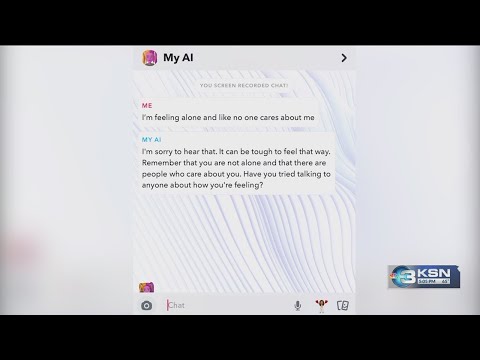
Hey, have you noticed how much our phones have changed the game when it comes to mental health? Seriously, it’s wild. Snapchat, of all platforms, has really made its mark on how we see ourselves and each other.
Like, think about those filters! They can be fun, but they also mess with our heads. Sometimes it feels like keeping up with everyone’s highlight reels is exhausting. You get me?
It’s crazy how social media shapes our perceptions—especially when it comes to things like confidence and self-worth. And yeah, there’s a lot to unpack here. So let’s chat about Snapchat’s role in this whole mental health scene. You’ll want to stick around for this one!
Exploring Snapchat’s Impact on Mental Health Perceptions: A Deep Dive into Social Media Influence
Social media, and Snapchat in particular, has really changed the way we perceive mental health today. It’s wild how something that seems so harmless can have such a big impact on how we see ourselves and others. So, what’s the deal with Snapchat and its role in shaping our mental health perceptions?
Instant Gratification and Comparison
One of the big things to consider is the instant gratification it provides. You can send a snap, get a response right away, or even just watch your friends’ stories for an update on their lives. This constant stream of information can feel engaging, but it creates this environment where you might find yourself comparing your life to others’. If you’re feeling down about yourself because you see someone else living «the dream» online, it’s easy to get caught up in those negative feelings. It’s like a double-edged sword—on one hand, you want to connect; on the other, it might make you feel worse.
Filters and Facades
Then there are all those filters! They’re fun and let you create this perfect image of yourself. But think about it: when people use filters all the time, they might not be as real as they seem. This can lead to unrealistic standards that affect self-esteem. You may feel pressure to look a certain way—a pressure that could contribute to anxiety or even body image issues.
The Role of Stigmas
Snapchat also plays into mental health stigmas. While some users share their struggles openly and promote positivity—like saying “it’s okay not to be okay”—others may inadvertently reinforce negative stereotypes through jokes or memes about mental illness. It can be confusing trying to sort out what’s actually supportive versus what just perpetuates stigma.
Group Dynamics
Have you noticed how certain groups form on Snapchat? Whether it’s a tight-knit friend group or large communities centered around specific interests, these dynamics can have both positive and negative effects. On one hand, finding people who understand what you’re going through is great—it can provide support! But then again, if that group is toxic or dismissive of mental health issues, it could send harmful messages about seeking help.
The Encouragement Factor
On a brighter note, some individuals use Snapchat as a platform for encouraging each other towards better mental health practices! Sharing tips like journaling or mindfulness exercises can spread awareness in ways we didn’t have before social media came along.
Anecdote Time
Last week I spoke with my friend Jenna who really struggled with anxiety during high school. She found solace in Snapchat groups where people shared similar experiences—it helped her feel less alone in her journey! Yet she admitted sometimes scrolling through perfect snaps made her feel worse too. It’s like she was riding this emotional rollercoaster—exciting at times but also exhausting.
So yeah, Snapchat is kind of like that friend who means well but sometimes says things that just hit wrong. The influence social media has over our perceptions of mental health is complex—it brings us together while also presenting challenges we need to navigate wisely.
Exploring Snapchat’s Influence on Mental Health Perceptions in 2021: A Comprehensive Analysis
The role of social media in shaping how we see mental health has been a hot topic lately, especially when it comes to platforms like Snapchat. You know, it’s not just a place to share silly selfies or funny filters; it actually influences how many people perceive mental health. In 2021, this became even clearer.
Snapchat has this thing called Stories, right? Well, they can be kind of a double-edged sword. On one side, you can showcase real moments in life, which sometimes includes struggles with mental health. When influencers or even regular people talk about their experiences with anxiety or depression openly on the app, it normalizes these feelings. So you start thinking: “Wow, I’m not alone in this.”
Here are some points to think about:
And then there’s the whole issue of *FOMO,* right? Fear of missing out is real! When your friends are posting about fun events and you’re stuck at home feeling low, it can create a significant impact on your self-esteem.
Another thing to mention is that Snapchat’s filters and editing tools can skew reality quite a bit! Many users feel pressure to look perfect in their photos. This pressure can affect how people view beauty standards and ultimately their self-worth.
Let me throw some stats your way: A study from 2021 showed that teenagers who spend more time on social media tend to report higher levels of depression and anxiety. Snapchat isn’t the sole culprit here – it’s part of a larger web we’re all tangled up in nowadays.
But here’s a cool silver lining! Some teens use the platform as an outlet for creativity and expression; they find ways to channel what they’re going through into art or humor through snaps. That creativity could be therapeutic!
In sum, Snapchat plays a complex role in shaping how we think about mental health—sometimes positively by breaking down stigma and at other times negatively by fostering comparison and unrealistic standards. It’s all about balance; being mindful about how much time you spend scrolling can really help keep things healthy in your mind.
So next time you’re checking those Stories or sending Snaps, just take a moment to reflect on how this app affects your feelings about yourself and others. Does it lift you up? Or does it drag you down? Just something to think about!
Exploring Snapchat’s Impact on Mental Health Perceptions in 2022
In 2022, Snapchat really became a player when it comes to how we view mental health, you know? It’s not just about sharing funny faces or cool filters anymore. The app has been shaping perceptions in some significant ways.
So, what’s the deal? Well, like a lot of social media platforms, Snapchat has its share of ups and downs. For some folks, it offers a space to connect. But let’s be real—it can also contribute to feelings of anxiety and depression. Here are a few things to think about:
1. Connection vs. Isolation: On one hand, Snapchat helps people feel closer to their friends. You can send snaps or stories to show your day or support each other through tough times. But on the flip side, seeing others constantly having fun can lead you to feel left out or inadequate.
2. Mental Health Resources: In 2022, Snapchat made moves to promote mental health resources within the app. They embedded tools and links for users who might be struggling with their mental well-being. This is super important because it helps normalize conversations around mental health.
3. Filter Culture: Let’s talk filters for a sec! These can be fun but also create unrealistic standards for beauty and happiness. When you’re constantly bombarded with perfect images—well, it can mess with your self-esteem big time.
4. Peer Influence: Your friends’ behaviors on Snapchat influence you more than you might realize; if everyone is posting about their perfect lives and adventures, you may feel pressured to keep up appearances even if you’re not feeling that way inside.
One poignant example is when someone close to me mentioned how they felt after scrolling through Snap for hours one night—they were feeling pretty down because all they saw was people having a blast while they were stuck at home dealing with their own struggles.
5. Awareness of Mental Health Issues: There’s been a shift toward talking openly about issues like anxiety and depression on platforms like Snapchat. Celebrities and influencers share their stories too! This openness can reduce stigma and encourage others who are struggling to reach out for help.
So yeah, the thing is that while Snapchat has its drawbacks regarding mental health perceptions—like pressures from unrealistic standards—it also opens the door for conversations that are essential for change. It’s all about balance—the good mixed with the bad—and finding ways to navigate these waters as best as we can!
So, let’s chat about Snapchat and how it kinda shapes the way we see mental health. You know, it’s wild how these social media platforms sneak into our lives and mold our perceptions, right? I remember a friend of mine who would post these super filtered selfies with captions like “living my best life” while behind the scenes, she was really struggling. It made me think about how easy it is to fall into the trap of comparing your reality to someone else’s highlight reel.
On one hand, Snapchat can create this illusion of perfection. Those cute filters, fun stories—everything seems so carefree and happy. But then you’ve got people scrolling through their feeds feeling like they’re missing out or that something’s wrong with them because their life doesn’t look like that. It’s like a double-edged sword; all that engagement can actually amplify feelings of inadequacy or anxiety for some folks.
But here’s where it gets interesting: Snapchat also opens up space for real talk sometimes. You’ll see people sharing their truths, maybe even opening up about struggles with anxiety or depression in a way that’s relatable. And that can be powerful! When someone you know says “Hey, I’m going through a tough time,” it reminds us that we’re not alone in this whole messy human experience.
And think about those mental health awareness campaigns popping up on social media—they can provide resources and connections to help people who might be feeling lost. So while Snap might contribute to those feelings of comparison, it also has the potential to foster community among those dealing with similar issues.
In the end, it’s all pretty nuanced. Navigating these platforms takes mindfulness—like recognizing when you need a break from scrolling versus when you could really benefit from connecting with others online. It’s all about keeping a balance and remembering that behind every snap is an actual person with real-life struggles and victories. What do you think?