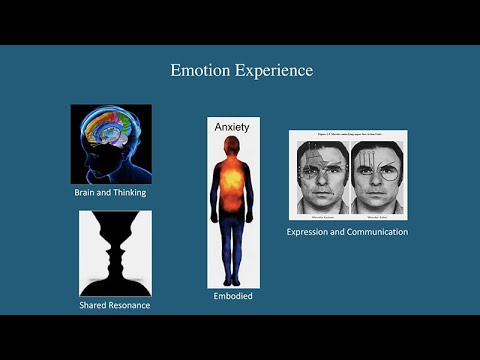
You know, we all have those moments when we’re just… not tuned in. Like, maybe you’re hanging out with friends or family and your mind’s wandering. It’s like you’re there but not really *there*, you feel me?
That kind of disconnect can really mess with our mental health. It sneaks up on us, making us miss out on important connections. But here’s the thing—being aware of our social and emotional vibes can seriously change the game.
Think about it: when you’re aware of what you’re feeling and how others are doing, it’s like finding a cheat code for life. You build stronger relationships, handle stress better, and just feel more in control overall.
So let’s chat about how to cultivate that social and emotional awareness. Because trust me, once you get the hang of it, everything feels a little bit easier—like you just leveled up!
Boost Your Emotional Intelligence: 10 Effective Strategies for Personal Growth
Boosting your emotional intelligence is like giving yourself a superpower. Seriously, when you get better at understanding your emotions and those of others, it can really change the way you connect with people. So let’s break down some strategies that could help you grow personally and emotionally.
1. Practice Self-Awareness
You gotta start with yourself. Take a moment each day to check in with your feelings. What triggered them? Why do they matter? It’s like holding up a mirror to your emotional life and seeing what’s reflected back.
2. Keep a Journal
Writing down your thoughts and feelings can be super enlightening. You know, when you put pen to paper, things start making sense. You might notice patterns in how you react to stuff—like why that one comment from co-worker still bothers you days later.
3. Develop Empathy
Try to really listen when others talk about their feelings or experiences. Not just nodding along but actually engaging with what they’re saying. You might be surprised at how much understanding comes from just being present in a conversation.
4. Manage Your Responses
When strong emotions hit, take a breath before reacting. This isn’t always easy! Let’s say someone cuts you off in traffic: pause for a sec instead of flipping them off right away! That little moment can change the whole vibe of the situation.
5. Observe Nonverbal Cues
Pay attention to body language and facial expressions—yours and others’. Things like crossed arms or frowns could signal discomfort or frustration, even if no words are spoken.
6. Seek Feedback
Ask friends or family how they perceive your emotional responses or interactions. Yeah, it might sting a bit if the feedback isn’t what you wanna hear, but it’s valuable information for growth.
7. Embrace Vulnerability
Opening up about your own feelings can create deeper connections with others. Share something personal with someone close; it’s not easy but it could lead to stronger bonds—or at least some meaningful conversations.
8. Set Boundaries
Knowing where to draw the line is crucial for mental well-being! If you’re feeling overwhelmed by someone else’s drama, it’s okay to say “no” or step back for a while.
9. Cultivate Optimism
Try looking at situations through a more positive lens, even when times are tough! That doesn’t mean ignoring reality; rather it’s about finding silver linings that can help propel you forward.
10. Focus on Solutions
When dealing with problems (whether yours or someone else’s), channel energy into finding solutions instead of getting stuck in the negativity of the situation!
Working on these aspects won’t just boost your emotional intelligence; it’ll enhance all your relationships too—with friends, family, coworkers—you name it! As you grow emotionally savvy, you’ll likely find life feels richer and way more connected.
Unlock Your Potential: Take Our Emotional Intelligence Test Today
Emotional intelligence, or EI, is like that inner compass guiding us through our feelings and interactions. It’s basically understanding your own emotions and recognizing them in others too. This can seriously improve how you navigate life and your relationships. Let’s break it down, shall we?
What is Emotional Intelligence?
So, EI is often split into a few key areas. First, there’s self-awareness. That’s being tuned in to your own feelings and how they affect your thoughts and actions. You know how sometimes you feel cranky but can’t quite figure out why? That’s where self-awareness comes in.
Then, there’s self-regulation. This involves managing those emotions instead of letting them control you. Ever wanted to scream at someone because they cut you off in traffic? But then you take a deep breath instead? You’ve just practiced self-regulation!
Next up is motivation—your drive to pursue goals despite obstacles or setbacks. Think of the last time you pushed through a tough workweek just because you’re aiming for that promotion.
Empathy is another huge piece of the puzzle. It’s about understanding and sharing the feelings of others. Remember that time a friend was going through a rough patch? Being empathetic means being there for them without judgment.
And lastly, there’s social skills. This relates to managing relationships effectively—like communicating well or resolving conflict without drama.
Why Does This Matter?
You might be wondering why all this matters in the mental health space. Well, cultivating emotional intelligence can improve mental health by helping you manage stress better and build stronger relationships.
Imagine talking to someone who’s really good at reading the room—like they just *get* what’s going on emotionally around them. People who are high in EI often find it easier to connect with others. They create supportive environments that help everyone feel valued and heard.
Taking an EI Test
Now you’ve probably seen tests promising to reveal your emotional intelligence level. These assessments usually measure those areas we’ve talked about: self-awareness, regulation, empathy, motivation, and social skills.
Taking such a test can offer some insight into where you’re at emotionally—not as an absolute measure but more like a snapshot of your current skills.
Here’s what happens when you take one of these tests:
- You get scored on various aspects of emotional intelligence.
- You learn which areas might need some TLC.
- You have a clearer idea of how you interact with others.
Think about how great it would be to understand your strengths as well as where you might want to grow! It’s not just about passing or failing; it’s about getting better at navigating life itself.
In short, unlocking your potential through increased emotional intelligence isn’t merely academic; it’s practical for daily life! So whether you’re facing challenges at work or trying to connect deeper with friends or family—being aware of these concepts can be game-changing! Remember though—it’s all about practice and growth over time.
5 Effective Strategies to Enhance Your Emotional Intelligence for Better Relationships
Emotional intelligence is one of those buzzwords that’s been floating around for a while now, but honestly, it’s a game changer when it comes to building better relationships. Think of emotional intelligence as your ability to understand yourself and others on an emotional level. When you enhance it, you not only feel more connected to the people in your life but also experience healthier interactions. So, let’s chat about some strategies that can seriously help boost your emotional intelligence.
- Self-Awareness: You gotta know yourself before you can connect with others. Take some time to really examine your feelings and behaviors. Maybe try journaling? It helps bring clarity. Ask yourself questions like: «Why did I react that way?» or «What was I really feeling in that moment?» Recognizing your emotional triggers is a solid step towards understanding how those feelings impact your interactions.
- Active Listening: This one sounds simple but trust me, it’s huge. When someone’s talking, give them your full attention. Put away distractions! Nod along or make small verbal cues—it shows you’re engaged. This isn’t just about hearing; it’s about understanding what they’re saying emotionally. Sometimes a simple “I hear you” can make all the difference.
- Empathy Practice: Put yourself in someone else’s shoes—seriously! Think about how they might be feeling and why they’re acting that way. The more you practice empathy, the better you’ll get at connecting with others emotionally. Let’s say a friend snaps at you; instead of getting defensive, try to think: “Maybe they’re having a tough day.” This shift in perspective can change everything.
- Feedback Acceptance: Welcome feedback like it’s a warm hug—well, maybe not *that* dramatic—but you get the point! When someone offers their perspective on how you handle emotions or relationships, listen without getting defensive. It takes humility to accept criticism but doing so helps build stronger ties and shows you’re willing to grow.
- Simplifying Emotions: Sometimes we complicate things way too much! Break down what you’re feeling into simpler terms—like happy, sad, angry—or even use colors or shapes if it helps clarify things for you! This can keep confusion at bay and make expressing your feelings easier for both yourself and others.
These strategies intertwine beautifully with each other—you know? The more self-aware you become, the better listener you’ll be and so on. Remember that building emotional intelligence is like working out; it’s all about consistency over time. Just think back to those moments when miscommunication led to hurt feelings—it doesn’t have to be like that anymore! With patience and dedication, you’ll find that boosting this skill will enrich both your life and the lives of those around you.
You know, when it comes to mental health, it’s all about connection. I mean, think about your life for a minute. Ever had that moment where someone just seems to get you? Like, they know exactly what you’re going through without you even saying a word? That’s the magic of social and emotional awareness.
So, let’s break it down a bit. Social awareness is basically being clued in on how others are feeling. It’s like having an emotional radar that picks up on vibes—body language, tone of voice, facial expressions. And when we talk about emotional awareness, that’s all about understanding your own feelings and what triggers them. These two together? They’re like the peanut butter and jelly of mental health.
I remember this one time when I was feeling pretty low and didn’t even realize it until a friend pointed it out. She just asked me how I was doing and looked me in the eye like she really wanted to know. It hit me; I hadn’t been honest with myself or others about my feelings. That moment opened my eyes—not just to my own struggles but also to how important it is for us to create spaces where we can share our emotions openly.
Cultivating this awareness isn’t something you achieve overnight. It takes practice! So whether it’s checking in with yourself regularly or taking a moment to notice how your friends seem to be feeling—you’re building those skills little by little. When you do this, you not only improve your relationships but also nurture your own mental well-being.
Also, let’s not forget empathy here, right? Being socially aware helps us become more empathetic individuals—the kind who can sit with someone else’s pain without judgment or rush them into feeling better right away. That patience can make all the difference.
In essence, developing your social and emotional awareness is key for better relationships and personal growth. It helps create communities where everyone feels seen and heard; isn’t that what we all want—just to feel understood? So go ahead; take a breath today and maybe check in with someone around you or even yourself! You’ll be amazed at how much these little things matter in the long run.