You ever thought about how your emotions play into your everyday life? Like, seriously.
We’re not just talking about happy or sad here. It’s way deeper than that. Social and emotional intelligence is like the glue that holds our relationships together.
Think about it: when you connect with someone, it’s not just what you say. It’s how you listen, how you vibe with their feelings, all that jazz.
Knowing your emotions and reading others’ can totally change the game in mental health. You feel me?
Let’s explore how these skills impact us and why they’re worth paying attention to. It might just give you a fresh perspective on yourself and everyone around you!
Comprehensive Guide to Measuring Emotional Intelligence: Downloadable PDF Resource
Measuring emotional intelligence (EI) can feel a bit like trying to catch smoke with your bare hands. It’s pretty complex, but super important for understanding how we connect with ourselves and others. Emotional intelligence involves recognizing and managing our emotions while also grasping the emotions of those around us.
So, what is it exactly? Well, it’s often broken down into a few key components: self-awareness, self-regulation, social awareness, and relationship management. Each plays a role in how we interact with the world.
- Self-awareness: This is about knowing your own emotions. Like, can you tell when you’re feeling anxious or excited? It helps you understand why you react a certain way in different situations.
- Self-regulation: Once you know what you’re feeling, being able to manage those feelings is crucial. For instance, if someone cuts you off in traffic, instead of freaking out, you might take a deep breath and let it go.
- Social awareness: This is all about empathy. It’s recognizing other people’s emotions and responding appropriately. If your friend looks down, can you notice that and maybe ask if they need to talk?
- Relationship management: This one ties everything together! It’s about using your understanding of yourself and others to build strong connections. Think about how you resolve conflicts or inspire teamwork at work.
You might be wondering how we actually measure EI. There are several tools out there—some more formal than others—and many offer downloadable resources or PDFs that can help guide your journey into understanding EI better. These assessments can include questionnaires that ask about various scenarios and reactions.
A good example could be the Mayer-Salovey-Caruso Emotional Intelligence Test (MSCEIT). This one measures different aspects of emotional intelligence by giving tasks related to identifying emotions in faces or figuring out which feelings apply in certain contexts. Seriously cool stuff!
If you’re interested in having a PDF resource handy for this kind of evaluation, look for materials that include sample test questions or quizzes that’ll make things easier to understand. Some may even guide you through interpreting your results—super helpful!
This whole measurement thing isn’t just for fun; it has real implications for mental health too. High emotional intelligence can lead to better communication skills, healthier relationships, and overall increased well-being. You see? Just by measuring this stuff, we might get closer to strengthening our mental health toolbox.
The thing is—while these tests are useful tools, they’re just one piece of the puzzle! There are many ways people cultivate their emotional intelligence through life experiences or therapy sessions focused on improving relational skills.
If you’re curious about improving yours or evaluating someone else’s emotional smarts—dive into those assessments! Just remember though: it’s less about scoring high on a test and more about growing as a person and connecting better with people around ya.
Understanding Emotional Intelligence: A Comprehensive Guide to Enhancing Mental Health (PDF Download)
Emotional intelligence, or EQ, is a big deal when it comes to mental health. It’s that ability to recognize, understand, and manage your own emotions while also picking up on the emotions of others. Basically, it’s like being an emotional detective. So let’s break this down.
Why is Emotional Intelligence Important?
You see, having a high EQ can seriously affect your mental health for the better. It helps you cope with stress, build relationships, and communicate effectively. Imagine you’re in a heated discussion with a friend. If you can tune into their feelings and manage your own reactions, you’re way more likely to navigate the situation calmly.
Key Components of Emotional Intelligence
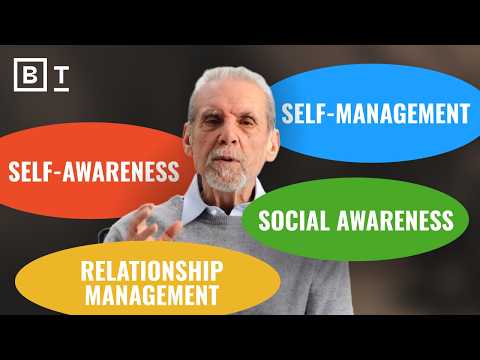
You can think of emotional intelligence in four main parts:
- Self-awareness: Being in touch with your feelings and understanding them.
- Self-management: The ability to control impulses and emotions.
- Social awareness: Picking up on social cues and understanding others’ emotions.
- Relationship management: The ability to interact smoothly with others.
Each piece fits together like a puzzle. You need self-awareness to realize when you’re feeling anxious or stressed. Then self-management kicks in so you don’t spiral out of control.
The Connection Between EQ and Mental Health
When we talk about mental health, low emotional intelligence often shows up in anxiety or depression. It’s like people can’t see the tools they have to deal with their feelings. Imagine someone who’s constantly stressed but doesn’t know how to express it; that can lead them down a dark path.
On the flip side, folks who are great at identifying their emotions tend to feel more empowered. They handle life’s ups and downs better because they know when to take a step back or reach out for help.
Enhancing Your Emotional Intelligence
So how do you work on boosting your emotional intelligence? Here are some practical ideas:
- Meditation and mindfulness: Seriously! Taking time for yourself helps improve self-awareness.
- Journaling: Write about your day-to-day feelings; it makes them clearer.
- Acknowledge others’ emotions: Try putting yourself in someone else’s shoes regularly—it gets easier!
- Tackle conflicts head-on: Practice those relationship skills by addressing problems instead of avoiding them.
Look at it this way: just as you’d hit the gym for physical fitness, working on your emotional fitness takes time too.
Anecdote To Consider
One friend I know was always overwhelmed at work but never understood why she felt so burnt out. After diving into some resources about emotional intelligence (yes, even reading PDFs!), she started recognizing her triggers—like unrealistic deadlines or lack of support from teammates—and realized she could speak up instead of bottling it all inside. Her stress levels dropped dramatically!
In summary, understanding emotional intelligence is key for not just personal growth but also improving mental health overall. Being aware gives you tools—you learn how to build stronger connections while taking care of yourself emotionally too! So dive into exploring your EQ; it’s totally worth it!
Unlocking Emotional Intelligence: Comprehensive PDF Articles for Personal Growth and Mental Wellness
Emotional intelligence, or EQ, is basically your ability to understand and manage your emotions and the emotions of others. It’s a real game-changer when it comes to personal growth and overall mental wellness. So you might be wondering what’s all this fuss about? Well, let me break it down for you.
What is Emotional Intelligence?
It’s made up of a few key components: self-awareness, self-regulation, motivation, empathy, and social skills. All these elements work together to help you navigate life’s ups and downs more smoothly. Imagine having a friend who can read the room well—knowing when to cheer you up or give you space. That’s emotional intelligence in action!
Why Does EQ Matter?
Having high emotional intelligence can positively affect your relationships, career, and mental health. You know those moments when everything feels overwhelming? With a strong EQ, you can handle stress better because you’re more aware of your feelings and how they influence your decisions.
Now let me share an example that might resonate with some of you. Think back to a time when you were stressed about work but didn’t know how to express it to your friends or partner. You probably felt frustrated and isolated, right? With emotional intelligence, you’d recognize those feelings early on and communicate them better.
Evaluating Emotional Intelligence
So how do we gauge this thing called emotional intelligence? There are various assessments out there designed to help evaluate different aspects of EQ. Some focus on self-reported questionnaires where you’ll rate yourself on various emotional scenarios. Others might involve peer feedback which gives insight into how others perceive your emotional responses.
Another approach is through practical exercises that put your skills to the test. For instance:
These evaluations not only foster personal insight but also provide tools for improvement if needed.
The Role of Mental Health in Emotional Intelligence
Mental health plays a significant part here too! If you’re struggling with anxiety or depression, it can cloud your ability to tap into your emotional intelligence effectively. Feeling low might make it harder for you to empathize with others or even recognize what’s bothering you personally.
On the flip side, enhancing your emotional intelligence could actually lead to better mental health outcomes over time! It’s like a positive feedback loop—you build awareness around emotions which helps reduce stress levels and cultivate healthier relationships!
In today’s world where interpersonal connection matters so much—even with all the texting—the importance of boosting our emotional skills can’t be understated! It not only helps us connect better but enriches our lives overall.
So think about getting into some resources or articles on this topic for personal growth purposes—they’d be like little guides on navigating life more smoothly! Emotional intelligence isn’t just fluff; it has real implications for living well emotionally as well as mentally!
Social and emotional intelligence—these are the buzzwords we hear a lot about these days, especially when it comes to mental health. So, what’s the deal with them? Well, social intelligence is all about understanding and navigating social situations. It’s like having a map of human interactions in your pocket. Emotional intelligence, on the other hand, is more about recognizing your own emotions and those of others. It’s like having a compass that keeps you from getting lost in your feelings.
I remember this one time when I was chatting with a friend who was having a tough week. She was going through some serious stress at work but couldn’t pinpoint why it was bothering her so much. I could see just how overwhelmed she felt. So we started talking it out—what triggered those feelings? By the end of our conversation, she began to realize that it wasn’t just the workload but also how her coworkers were responding to her stress. That moment for her? Pure emotional intelligence in action!
Now, think about how these skills factor into mental health treatment. A therapist with high social and emotional intelligence can create a safe space for you to open up, you know? They get where you’re coming from and can help you understand your feelings better. It’s like they have this superpower to connect emotionally while guiding you through tough times.
But here’s something that gets overlooked: evaluating these intelligences in ourselves isn’t always easy. We might not realize how our emotional reactions impact our relationships or decision-making. Sometimes we even overlook the social cues from others or misinterpret their emotions, leading us down an awkward path in conversations.
The cool thing is that self-awareness can really boost both types of intelligence. By reflecting on our experiences and being mindful of our interactions, we can sharpen these skills over time, kind of like honing any other skill set.
So next time you’re navigating a tricky situation or facing overwhelming emotions, think about using both your social radar and emotional compass—honestly, they might just lead you toward better understanding and stronger connections with others! Like me with my friend—all it takes is some openness and willingness to dive deep sometimes.