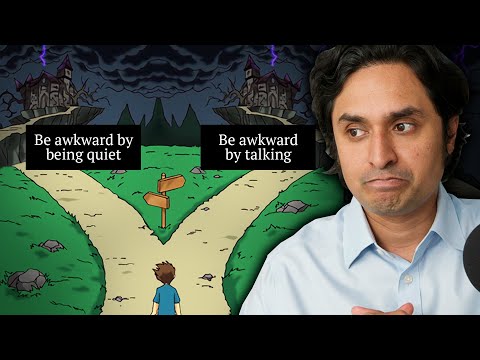
You know those moments when you’re in a social setting and your brain just kind of… freezes? Like, everyone else is chatting away and you’re standing there, not sure what to say? Yeah, that can be tough.
That feeling often has a name: Social Awkwardness Disorder. Sounds fancy, right? But honestly, it’s just a way to describe that overwhelming sense of discomfort when you’re around people.
Imagine being at a party, searching for an escape route while everyone else seems totally at ease. It’s awkward and frustrating. You feel like you’re watching life happen from the sidelines.
Trust me, you’re not alone. Many folks experience this. It can be intense! So, let’s break it down together—what it is, why it happens, and how to handle those cringe-worthy moments. Sound good?
Understanding Social Awkwardness: Mental Illnesses That Can Affect Social Skills
Social awkwardness can be a real struggle for some people. It’s not just being shy or introverted. It can actually stem from different mental health challenges that affect how you interact with others. So, let’s unpack this a bit, shall we?
First off, social anxiety disorder is often at the top of the list. This isn’t just feeling nervous before speaking in public—it’s like a giant weight on your chest every time you think about socializing. People with social anxiety might worry excessively about being judged or embarrassed in social settings. This can lead to avoiding gatherings altogether, which, let me tell you, makes things even harder over time.
Another player in this field is autism spectrum disorder (ASD). Now, autism affects how someone communicates and interacts socially. For folks on the spectrum, understanding social cues like body language or tone can be tough. Imagine being at a party and not picking up on that someone’s bored just by their expressions—it’s like a game where you don’t know the rules!
Then there’s obsessive-compulsive disorder (OCD). While most people might think it’s just about hand-washing or counting things, OCD can also manifest as intense worries about how you appear to others. Some may obsess over saying something “wrong” during conversations and end up avoiding social situations because of that fear.
Let’s also not forget about depression. It doesn’t just bring sadness; it can sap your energy and motivation to engage with others too. You might feel like you’re stuck in a fog where reaching out feels like climbing a mountain—even if all your friends are waiting for you at the top!
And then there’s ADHD (Attention-Deficit/Hyperactivity Disorder). People with ADHD might struggle to pay attention during conversations or might interrupt others without realizing it. They’re often seen as socially awkward when all they really need is a little understanding.
So if we look at these examples together:
- Social Anxiety Disorder: Intense fear of judgment.
- Autism Spectrum Disorder: Difficulty reading social cues.
- OCD: Obsessive thoughts about social interactions.
- Depression: Lack of motivation for socializing.
- ADHD: Trouble focusing in conversations.
Now that we’ve laid this out, it feels less daunting, right? These disorders can really impact how someone navigates social situations but knowing what they are helps create understanding—and that goes miles.
There’s hope! With therapy and sometimes medication, many find ways to improve their skills and feel more comfortable in their own skin when interacting with others. Whether it’s through cognitive-behavioral therapy to reframe thought patterns or practicing skills in a safe space, it all counts toward building those connections.
So next time you see someone struggling socially, remember that there could be more beneath the surface than just shyness. Understanding their journey not only helps them but enriches our relationships too!
Mastering Social Situations: 10 Effective Strategies to Overcome Social Awkwardness
Well, social situations can be a real puzzle sometimes, can’t they? Especially if you often feel like you’re trapped in this awkward bubble whenever you’re around people. For some, this feeling can even tie into something called Social Awkwardness Disorder. So, let’s get into some effective strategies to help you feel more at ease in those tricky social scenes.
1. Start Small: When you’re feeling overwhelmed, begin with less demanding social interactions. Maybe chat with a cashier or wave at a neighbor. It’s all about baby steps.
2. Practice Active Listening: Focus on the other person when they speak. This makes conversations feel less like a performance and more like genuine interaction. You know what I mean? Plus, you’ll have things to respond to!
3. Try Open-Ended Questions: Instead of yes or no questions, ask things that require more thought. Like “What do you think about…?” This invites deeper conversation.
4. Use Positive Body Language: Don’t underestimate your posture! Good eye contact and an open stance can make you appear more approachable and engaged.
5. Acknowledge Your Feelings: If anxiety creeps in, that’s totally okay! Recognizing your emotions is a big step toward managing them, instead of letting them control the situation.
6. Share Funny Experiences: Humor is amazing for breaking the ice! Sharing a goofy moment from your day can lighten the mood and make others feel relaxed too.
7. Be Genuine: Don’t put on an act; just be yourself—even if that’s a bit quirky! Authenticity attracts people who appreciate the real you.
8. Role-Play Scenarios: Grab a close friend and practice different situations together! Whether it’s meeting new folks or navigating awkward silences, rehearsing makes it less scary.
9. Focus on Common Interests: Shared hobbies or passions lead to smoother conversations—like discussing favorite TV shows or local events!
10. Accept Imperfection: Remember that everyone has those cringe-worthy moments! It’s all part of being human; don’t beat yourself up over it.
A little story: Let me tell ya about my buddy Alex who used to dread parties—seriously avoided them like the plague! By practicing some of these strategies bit by bit, Alex found comfort in chatting about shared interests with strangers rather than worrying about stumbling over words or saying something silly.
Social situations don’t have to feel like climbing Mount Everest! With time and practice using these strategies, you might find yourself mastering those awkward moments without even breaking a sweat.
Understanding the 3-3-3 Rule: A Simple Technique to Manage Anxiety Effectively
When you’re feeling anxious, especially in social situations, it can be overwhelming. But there’s a simple technique called the **3-3-3 Rule** that can help ground you and manage those feelings. You know, anxiety can mess with your head and make social interactions feel like climbing Everest, right? So let’s break down this rule in a way that makes sense.
The 3-3-3 Rule is all about connecting with your surroundings to bring yourself back to the present moment. Here’s what you do:
Using this method is really about redirecting your brain when it’s racing. Think back to that time when you were at a party but felt like everyone was staring at you. It’s so easy to spiral into self-doubt—are they judging me? Did I say something dumb? The 3-3-3 Rule helps snap you out of that funk by focusing on external stimuli instead.
Now, why does this work? Well, our brains usually get tangled up in anxiety because we start overthinking situations. This rule interrupts that cycle by shifting our attention away from anxious thoughts and back into reality.
In my experience talking with friends who struggle with social awkwardness disorder, they often feel like they’re stuck in their own heads during gatherings. They might worry about how they’re perceived or stress over making small talk. Implementing the 3-3-3 Rule during those moments can create a little space for clarity and calmness.
It’s not always easy—like anything else, practice makes it easier to remember when you need it most. You might get nervous at first trying to recall what’s around you while dealing with anxiety—but just keep at it! Over time, it’ll become second nature.
So next time you’re out and these awkward feelings crop up again—maybe at brunch or meeting new people—try taking a breath and using this technique. You deserve to enjoy yourself without those nagging thoughts pulling you down!
Navigating social situations can be a bumpy ride for many people, especially if you have what’s known as social awkwardness disorder. You might feel like you’re wearing a neon sign that says «awkward» when you’re in a room full of strangers or even just with acquaintances. It’s like, you want to say something clever or heartfelt, but words seem to vanish into thin air. Seriously, I’ve been there.
I remember a time at a friend’s party. Everyone was chatting away, laughing like old pals. I stood there with my drink, feeling like I was in some sort of reality show where the camera zooms in on the awkward guy standing alone by the snack table. You know? The whole thing just felt overwhelming — faces blurred and sounds turned into this weird hum.
So, what’s going on here? Social awkwardness disorder is often tied to anxiety — that pesky feeling that makes your palms sweat and your stomach turn when you’re facing social interactions. It’s not just about being shy or introverted; it runs deeper. You might worry about saying the wrong thing, embarrassing yourself, or being judged by others. And that fear can keep you stuck in your head.
The challenge is figuring out how to break through that barrier of discomfort. Therapy can be a great tool for this. Cognitive-behavioral therapy (CBT), for instance, focuses on changing those pesky thought patterns that make you think everyone’s judging your every move. It helps you practice social skills in a safe environment and build confidence over time.
But it’s not all about therapy; sometimes it’s small steps with your friends or family that matter too! Maybe it’s just striking up a convo with someone new at work or sharing an anecdote at dinner instead of trying to impress them with something profound. Every little moment counts.
A big part of navigating this awkwardness is also self-compassion—yeah, seriously! Rather than beating yourself up over feeling out of place, try to acknowledge those feelings without judgment. Like, hey, it’s okay to be uncomfortable sometimes! Everyone has their off days.
Look, if you’re finding yourself struggling with this kind of disorder—or even if you’re just having an off day—remember it’s totally valid. You’re not alone in feeling this way—plenty of people share these experiences and have found ways to cope better over time.
So the next time you’re standing nervously at a social gathering without really knowing how to jump into the mix? Take a deep breath and let yourself be imperfectly human for just a moment! Embrace those quirks because they can actually lead you towards meaningful connections down the line.